 Canada has stopped certain live animals from entering the country from Texas following New World screwworm detections—but beef sold in grocery stores and restaurants is not included in the restriction.
Reports that Canada has “banned Texas beef” are spreading online, but the full story is less alarming for consumers.
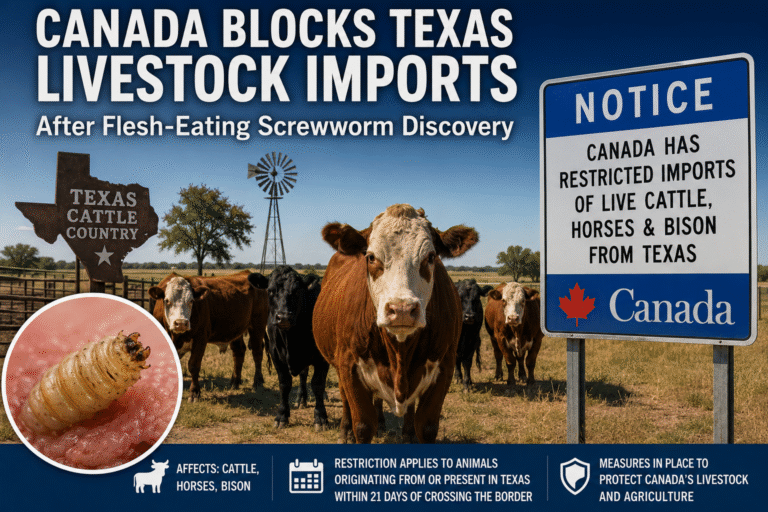
Canada has temporarily restricted the importation of certain live animals from Texas, including cattle and horses, as agriculture officials work to prevent the flesh-eating New World screwworm from crossing the border.
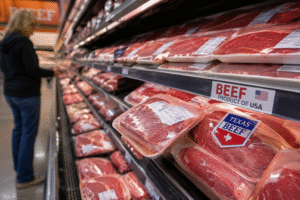
The restriction does not prohibit packaged beef, steaks, ground beef or other inspected meat products from Texas.
Canadian food-safety officials emphasize that people cannot become infested with New World screwworm by eating meat or other animal products. The country’s precautionary measures are focused on protecting live animals and do not represent a warning about the safety of beef.
Why Canada Is Restricting Texas Livestock
The United States Department of Agriculture confirmed the presence of New World screwworm in a calf in Zavala County, Texas, on June 3, 2026. Additional cases were subsequently confirmed as federal and state teams expanded surveillance, containment and treatment operations.
New World screwworm is a parasitic fly whose larvae enter open wounds and feed on the living tissue of animals. Infestations can cause severe injuries, infections and death when they are not detected and treated quickly.
The parasite can affect:
- Cattle and other livestock
- Horses
- Pets
- Wildlife
- Birds
- People in rare cases
Canada’s temporary action is intended to reduce the possibility that an infested live animal could carry the parasite into the country.
USDA export guidance indicates that animals from other U.S. states may still enter Canada, provided they have not lived in or traveled through Texas during the 21 days before export.
Texas Beef Has Not Been Banned
The distinction between live cattle and consumer beef is important.
Live animals can carry wounds where screwworm larvae may be present. Inspected beef products do not pose the same risk.
The restriction does not prevent Canadians from purchasing:
- Texas steaks
- Ground beef
- Packaged beef products
- Cooked beef served by restaurants
- Other federally inspected meat products
Canadian authorities state that screwworm restrictions involving live cattle and horses are separate from food-safety regulations. Beef currently available in stores remains safe to purchase and eat when it is properly handled and prepared.
What the Restriction Means for Texas Ranchers
Although consumers should not expect Texas beef to disappear from grocery stores, the restriction could create complications for ranchers and livestock companies that sell live animals to Canadian buyers.
Possible effects include:
- Delayed cattle shipments
- Canceled livestock sales
- Additional veterinary inspections
- Higher transportation and compliance expenses
- Temporary loss of access to Canadian buyers
Texas has one of the largest cattle industries in the United States. Even a temporary disruption can affect ranchers, livestock auctions, transportation companies, veterinarians and rural communities.
The Texas Department of Agriculture reports that a major screwworm outbreak could cost cattle producers approximately $732 million and reduce economic activity across the state by an estimated $1.8 billion.
Should Katy-Area Shoppers Be Concerned?
Residents of Katy, Houston and surrounding communities should not expect the Canadian restriction to make beef unsafe or immediately remove it from local grocery stores.
The restriction involves animals being exported from Texas to Canada. It does not stop beef from being sold in Texas, and it does not indicate contamination of the retail beef supply.
Consumers should continue following normal food-safety practices:
- Keep raw meat refrigerated
- Prevent cross-contamination
- Wash hands and preparation surfaces
- Cook ground beef and other products to recommended temperatures
Pet owners and livestock producers should pay closer attention to wounds that appear to grow, drain, smell unusually foul or contain visible larvae.
How Texas Is Fighting the Screwworm
Federal and state agriculture agencies are using surveillance, animal inspections, case investigations and sterile-fly releases to contain the parasite.
Sterile male flies are released in affected areas. When they mate with wild female screwworm flies, the eggs do not hatch, gradually reducing the fly population.
Texas officials are also urging livestock owners, veterinarians, hunters and pet owners to inspect animals regularly and report suspected infestations immediately.
The Bottom Line
Canada has not banned Texas beef.
Canada has temporarily restricted imports of certain live animals from Texas because of New World screwworm concerns. Beef sold in grocery stores and restaurants is not included, and Canadian authorities say the measures do not affect food safety.
The greatest immediate concern is for ranchers and businesses involved in the international sale and transportation of live livestock—not families buying beef for dinner.
As animal-health officials continue responding to the outbreak, consumers should be cautious about misleading headlines that confuse a live-animal trade restriction with a ban on Texas beef.