Discover the hottest states in the US, from the scorching deserts of the Southwest to the humid shores of the Gulf Coast. Heatwave adventures await!
 As the seasons change, weather patterns across the United States vary greatly. But when it comes to heat, some states simply turn up the dial. If you’re a fan of hot, sunny days, then the United States has plenty of options. From the steamy wetlands of Louisiana to the blazing Utah deserts, there’s no shortage of scorching temperatures in this country.
But if you’re looking for the cream of the crop, we’ve uncovered the top hot spots: the states with the hottest, driest, most searing summers of all. So buckle up and hold on tight as we explore the hottest states in the US.
The Sun Belt States:
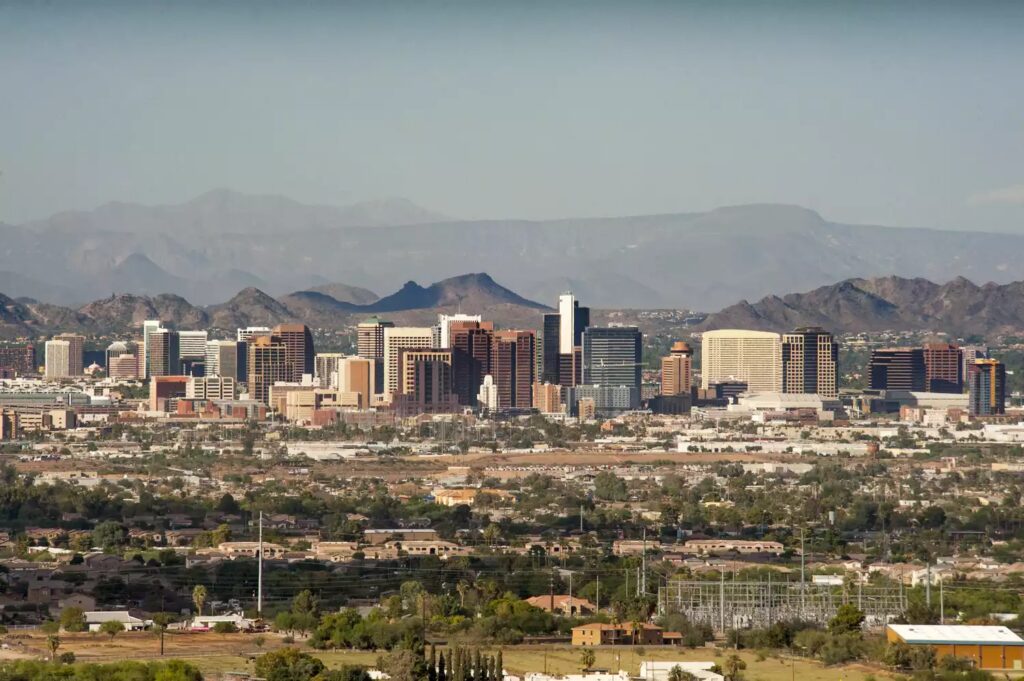
The Sun Belt, stretching across the southern United States from California to Florida, is renowned for its hot and sunny weather. Arizona, California, Florida, and Texas are among the hottest states in the country, with temperatures often reaching triple digits during the summer months. Arizona, home to the scorching Sonoran Desert, experiences some of the highest temperatures in the nation, with cities like Phoenix and Tucson regularly surpassing 100°F.
The Desert Southwest:
Within the Sun Belt, the Desert Southwest stands out for its extreme aridity and blistering heat. States like Arizona, Nevada, and New Mexico are characterized by vast expanses of desert terrain, where daytime temperatures can soar well above 110°F. Death Valley in California holds the record for the highest reliably recorded temperature on Earth, reaching a staggering 134°F in 1913.
The Gulf Coast:
Along the Gulf Coast, states like Louisiana, Mississippi, and Alabama experience not only high temperatures but also stifling humidity, creating a tropical-like climate. Cities such as New Orleans and Mobile regularly endure muggy summers, with heat indices often surpassing 100°F due to the combination of heat and moisture from the Gulf of Mexico.
The Southeast:
The Southeastern United States, including states like Florida, Georgia, and South Carolina, is known for its hot and humid summers. Florida, in particular, boasts a subtropical climate, with sweltering temperatures moderated by frequent thunderstorms and afternoon showers. Cities like Miami and Tampa experience long stretches of heat during the summer, making air conditioning a necessity for residents and tourists alike.
The Southwestern Plains:
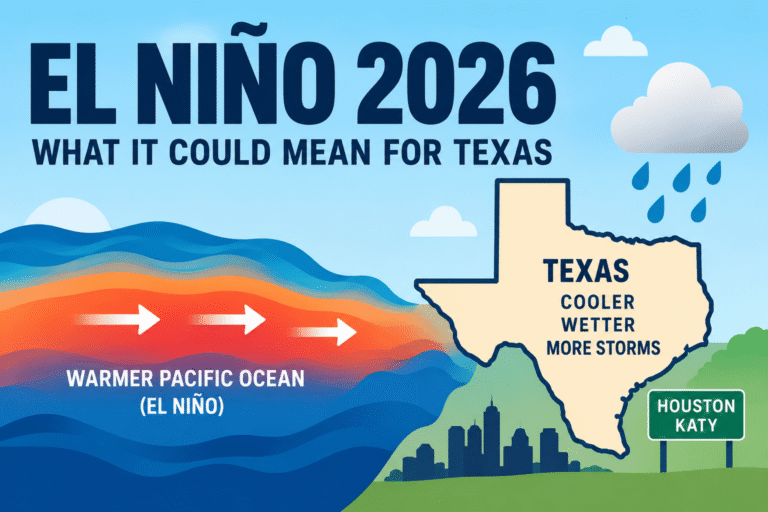
Moving inland, states like Oklahoma and Texas are no strangers to scorching temperatures, especially during the peak of summer. Cities like Dallas and Houston often see mercury levels rise above 100°F, accompanied by high humidity levels that make the heat feel even more oppressive. Heatwaves in these states can pose significant health risks, prompting authorities to issue advisories and urge residents to stay hydrated and seek shelter from the sun.
The Mountain West:
Despite its reputation for snow-capped peaks and alpine landscapes, the Mountain West region experiences its fair share of summer heat. States like Colorado and Utah may be known for their ski resorts, but cities like Denver and Salt Lake City can also see temperatures climb into the 90s and even the low 100s during heatwaves. High-elevation areas offer some relief from the heat, but lower-lying areas can still experience sweltering conditions.
In Conclusion
From the arid deserts of the Southwest to the steamy shores of the Gulf Coast, the United States boasts a rich tapestry of warm and sunny climates. Whether you’re yearning for a sun-drenched beach retreat or an expedition into the arid wilderness, the hottest states in the US cater to every preference. With temperatures rising due to climate change, it’s imperative to grasp the significance of preparing for and understanding extreme heat.
Whether you’re gearing up for a summer road trip or endeavoring to keep cool within the confines of your home, remember the importance of staying hydrated, seeking shelter from the sun, and ensuring that air conditioning repair in Tempe is a top priority.