Katy, Texas History | Railroads, Rice, Hurricanes & I-10
Long before Katy had streets, schools, or railroad tracks, the land was home to the Karankawa people, who lived, hunted, and traveled across the coastal plains of what is now Southeast Texas. The City of Katy sits on Karankawa tribal lands, and the first recorded European contact with the tribe occurred in 1528.
Over the next 250 years, Spanish and French explorers moved through the region seeking land, trade routes, and opportunity. Tensions grew, and by 1779, the Karankawa were at war with Spanish settlers. That conflict ended in 1790, and soon after, permanent settlement slowly began.
Cane Island Is Born
In the early 1800s, the area that would one day become Katy was known as Cane Island. The name came from a creek that flowed through the land—a branch of Buffalo Bayou—lined with tall cane that was not native to the region. Historians believe the cane may have been planted by either the Karankawa or Spanish explorers to help with fur trapping, a practice that continued into the 1820s.
In 1845, James J. Crawford received a land grant that included Cane Island. However, the area was slow to grow. The intense heat, thick clay soil, and difficult farming conditions discouraged many settlers.
By 1875, Cane Island remained sparsely populated. The only recorded residents were Crawford himself, along with freed slaves and their families, including Thomas and Mary Robinson and Milto McGinnis, as well as Peter Black and John Sills. Together, these early residents laid the quiet foundation for what was still a small, struggling community.
The Railroad Changes Everything
Everything changed in the mid-1890s.
In 1895, James Oliver Thomas laid out plans for a new town. When he applied for a post office in January 1896, the town was officially named Katy. The name came from the Missouri–Kansas–Texas Railroad Company, commonly known as the MKT Railroad or simply “the K-T.”
The railroad built a depot in the area, and trains began stopping regularly. Before long, people referred to the place as “the Katy,” and the name stuck.
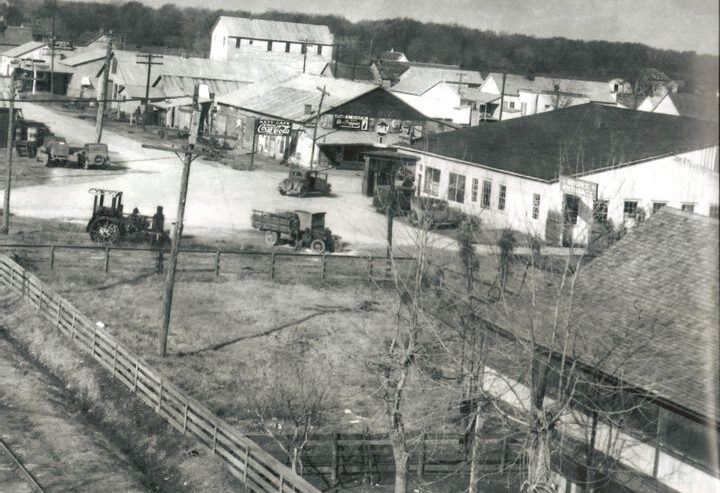
Families arrived by train and wagon, drawn by opportunity and the promise of prosperity. The town grew up around the tracks, and Katy became a hub of commerce and agriculture.
Farming, Faith, and Resilience
By the early 1900s, Katy was thriving. Farmers grew cotton, peanuts, and corn, but it was rice that transformed the region. Katy became widely known for rice farming, and in 1944, the first concrete rice dryers in Texas were built there—structures that still stand today as historical landmarks.
Local businesses flourished. Hotels, stores, livery stables, and saloons lined the growing town, supported by a strong farming community.
Religion also played a central role in daily life. Katy became known as the “City of Churches,” with an unusually high concentration of churches and a deeply rooted religious culture. In the early 1900s, a sign proudly declaring this title stood in the city.
The Storm That Tested Katy……> Continue Reading
City of Katy – The Story of Katy, Texas History | The Katy News
Helpful Katy Resources
Continue exploring Katy with these useful local resources:
Official City of Katy Website
Access official city services, public notices, government information, city maps, meetings, permits and community updates.
Watch the Story of Katy on YouTube
Prefer to watch instead of read? Experience The Story of Katy, Texas in video format on The Katy News YouTube Channel. Explore the city’s rich history, discover how Katy grew from a small railroad town into one of Texas’ fastest-growing communities, and learn what makes Katy a special place to live, work, and visit.
▶ Watch on YouTube: https://www.youtube.com/watch?v=jWGFTDuWoEA&t=5s
While you’re there, subscribe to The Katy News YouTube Channel for local news, community events, business spotlights, public safety updates, interviews, and stories that matter to Katy and the surrounding communities.
The Katy News App
Stay connected wherever you go with the The Katy News App at https://app.thekatynews.com/. Access the latest local news, business listings, community events, breaking updates, and more—all from your phone or tablet.
The Katy News Business Directory
Find local restaurants, contractors, healthcare providers, professional services, shopping, entertainment and other businesses serving the Katy area.
Latest Katy News
Stay informed about breaking news, community events, schools, public safety, local government, businesses and developments throughout Katy and surrounding communities.
Katy Independent School District
Find district announcements, school information, calendars, enrollment resources, board updates and educational services.
Discover More of Katy
Whether you are a longtime resident, a new neighbor or planning a visit, The Katy News connects you with the people, businesses, events and information that make the Katy community unique.
History of Katy
Katy, Texas, traces its roots to the late 1800s when the Missouri–Kansas–Texas Railroad (commonly known as the “Katy Railroad”) extended through the area. The railroad transformed what had been open prairie into a growing settlement that attracted farmers, ranchers, merchants, and families seeking new opportunities.
Rice farming became one of the region’s most important industries during the early 20th century. The fertile soil and access to irrigation helped establish Katy as one of Texas’ premier rice-producing communities. Over the decades, the city evolved from a small agricultural town into one of the fastest-growing suburban communities in the Houston metropolitan area while maintaining its hometown character.
Today, Katy blends its historic heritage with modern neighborhoods, thriving businesses, excellent schools, and a strong sense of community.
Geography
Katy is located in western Harris County with portions extending into Fort Bend and Waller counties. Situated along Interstate 10 and near the Grand Parkway (SH 99), Katy provides convenient access to downtown Houston, the Energy Corridor, and surrounding communities.
The region is characterized by flat coastal prairie landscapes, numerous parks, scenic lakes, and an expanding network of residential neighborhoods and commercial developments.
Population
Katy has experienced remarkable growth over the past several decades. While the City of Katy itself has a population of approximately 25,000 residents, the greater Katy area—including nearby master-planned communities such as Cinco Ranch, Elyson, Firethorne, Cane Island, Jordan Ranch, Tamarron, and others—is home to hundreds of thousands of residents.
This continued growth has made Katy one of the fastest-growing communities in Texas.
Economy
Katy’s economy is diverse and continues to expand. Major industries include:
- Energy
- Healthcare
- Retail
- Education
- Construction
- Manufacturing
- Professional Services
- Technology
- Hospitality
The area is home to major employers, locally owned businesses, national retailers, restaurants, and medical facilities. Ongoing commercial development continues to attract new investment and employment opportunities.
Education
Education is one of Katy’s greatest strengths.
The community is served primarily by Katy Independent School District (Katy ISD), one of Texas’ highest-performing public school districts. Numerous private schools, charter schools, early childhood education centers, and higher education opportunities also serve the region.
Strong academic programs, athletics, fine arts, and career education continue to make Katy a desirable community for families.
Parks & Recreation
Residents and visitors enjoy a wide variety of recreational opportunities, including:
- Mary Jo Peckham Park
- Katy Park
- Exploration Park
- Central Green Park
- Willow Fork Park
- Rick Rice Park
- Katy Heritage Park
- Multiple hike and bike trails
- Community sports complexes
- Fishing lakes
- Playgrounds
- Dog parks
These amenities contribute to Katy’s reputation as a family-friendly community.
Major Attractions
Popular attractions throughout the Katy area include:
- Katy Mills Mall
- Typhoon Texas Waterpark
- LaCenterra at Cinco Ranch
- Katy Heritage Museum
- Katy Heritage Park
- No Label Brewing Co.
- Mary Jo Peckham Park
- Andretti Indoor Karting & Games
- Main Event Entertainment
- Times Square Entertainment
- The Johnny Nelson Katy Heritage Museum
- Seasonal festivals and farmers markets
These attractions draw visitors from across the Houston metropolitan area each year.
Government
The City of Katy operates under a mayor-council form of government. Residents elect a mayor and city council members who oversee municipal services, public safety, infrastructure, parks, community development, and city planning.
The city works alongside Harris County, Fort Bend County, and Waller County agencies to support the broader Katy region.
Timeline
1800s — Early settlers establish farms and ranches on the coastal prairie.
1890s — The Missouri–Kansas–Texas Railroad reaches the area, helping create the community known as Katy.
Early 1900s — Rice farming becomes the area’s primary agricultural industry.
1945 — The City of Katy is officially incorporated.
1970s–1990s — Residential development accelerates as Houston expands westward.
2000s — Master-planned communities drive significant population growth.
2010s — Katy becomes one of the fastest-growing communities in Texas.
Today — Katy is recognized for its excellent schools, thriving businesses, family-friendly neighborhoods, and strong community spirit.
Frequently Asked Questions
Where did Katy get its name?
The city is named after the Missouri–Kansas–Texas Railroad, commonly referred to as the “Katy Railroad.”
Is Katy part of Houston?
No. Katy is an independent city located west of Houston, although much of the surrounding Katy area is part of the Greater Houston metropolitan region.
What county is Katy in?
The City of Katy is primarily located in Harris County, while the surrounding Katy area extends into Fort Bend and Waller counties.
Why is Katy growing so quickly?
Excellent schools, new master-planned communities, major employers, convenient transportation, and a high quality of life continue to attract new residents.
Is Katy a good place to live?
Katy is consistently recognized as one of the most desirable communities in the Houston area due to its schools, parks, businesses, safety, and family-oriented lifestyle.
The story of Katy continues every day. Stay connected with the latest local news, community events, business openings, school updates, public safety information, and stories that matter most to the Katy area.
Explore More
- The Katy News App – https://app.thekatynews.com/
- Latest Katy News – Breaking news and community updates.
- Katy Business Directory – Discover local businesses, restaurants, services, and organizations.
- Upcoming Events – Find festivals, family activities, concerts, and community events happening throughout Katy.
- Story Library – Explore the history of Katy, its neighborhoods, businesses, landmarks, and the people who have shaped the community.
Whether you’re a lifelong resident, new to the area, or planning a visit, The Katy News is your trusted source for everything Katy.