City of Katy – The Story of Katy, Texas History
Katy, Texas History | Railroads, Rice, Hurricanes & I-10
Long before Katy had streets, schools, or railroad tracks, the land was home to the Karankawa people, who lived, hunted, and traveled across the coastal plains of what is now Southeast Texas. The City of Katy sits on Karankawa tribal lands, and the first recorded European contact with the tribe occurred in 1528.
Over the next 250 years, Spanish and French explorers moved through the region seeking land, trade routes, and opportunity. Tensions grew, and by 1779, the Karankawa were at war with Spanish settlers. That conflict ended in 1790, and soon after, permanent settlement slowly began.
Cane Island Is Born
In the early 1800s, the area that would one day become Katy was known as Cane Island. The name came from a creek that flowed through the land—a branch of Buffalo Bayou—lined with tall cane that was not native to the region. Historians believe the cane may have been planted by either the Karankawa or Spanish explorers to help with fur trapping, a practice that continued into the 1820s.
In 1845, James J. Crawford received a land grant that included Cane Island. However, the area was slow to grow. The intense heat, thick clay soil, and difficult farming conditions discouraged many settlers.
By 1875, Cane Island remained sparsely populated. The only recorded residents were Crawford himself, along with freed slaves and their families, including Thomas and Mary Robinson and Milto McGinnis, as well as Peter Black and John Sills. Together, these early residents laid the quiet foundation for what was still a small, struggling community.
The Railroad Changes Everything
Everything changed in the mid-1890s.
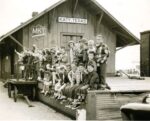
In 1895, James Oliver Thomas laid out plans for a new town. When he applied for a post office in January 1896, the town was officially named Katy. The name came from the Missouri–Kansas–Texas Railroad Company, commonly known as the MKT Railroad or simply “the K-T.”
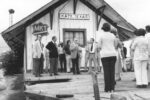
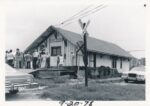
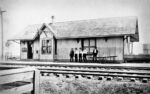
The railroad built a depot in the area, and trains began stopping regularly. Before long, people referred to the place as “the Katy,” and the name stuck.
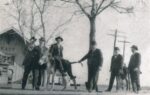
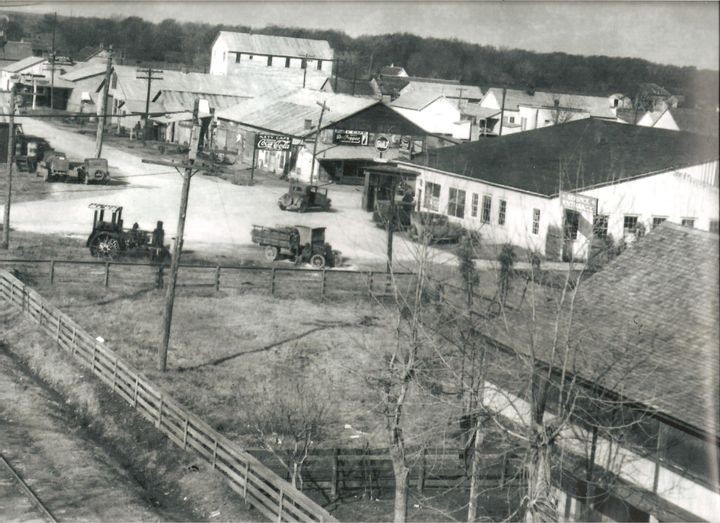
Families arrived by train and wagon, drawn by opportunity and the promise of prosperity. The town grew up around the tracks, and Katy became a hub of commerce and agriculture.
Farming, Faith, and Resilience
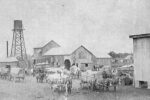
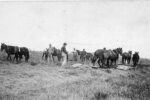
By the early 1900s, Katy was thriving. Farmers grew cotton, peanuts, and corn, but it was rice that transformed the region. Katy became widely known for rice farming, and in 1944, the first concrete rice dryers in Texas were built there—structures that still stand today as historical landmarks.
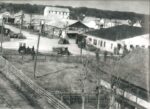
Local businesses flourished. Hotels, stores, livery stables, and saloons lined the growing town, supported by a strong farming community.
Religion also played a central role in daily life. Katy became known as the “City of Churches,” with an unusually high concentration of churches and a deeply rooted religious culture. In the early 1900s, a sign proudly declaring this title stood in the city.
The Storm That Tested Katy
On September 8, 1900, disaster struck.
The Great Galveston Hurricane, the deadliest natural disaster in U.S. history, swept through the region. Nearly all of Katy’s original homes were destroyed. Only three survived:
-
The Wright House
-
The Featherson House
-
The Morrison-Freeman House
But Katy did not disappear.
In the years immediately following the storm, residents rebuilt quickly. Three major homes were constructed right away, followed by six more over the next decade. Cane Island endured, and Katy continued to grow.
Oil, Incorporation, and Expansion
In 1943, Humble Oil opened the Katy Gas Field, which became a major supplier for Allied forces during World War II and one of the most productive gas fields in Texas. Humble Oil later became Exxon, which still operates and oversees a vast underground pipeline network throughout the region today.
In 1945, the City of Katy was officially incorporated. C. L. Baird became the city’s first mayor, and the city limits were carefully drawn to include the largest concentration of residents while remaining manageable for city services.
A Modern Gateway to the West
The next major transformation came in 1966 with the opening of Interstate 10. The highway allowed Houston to expand westward and sparked rapid development in Katy. Large sections of the historic K-T railway were removed to make way for the freeway, officially ending passenger rail service in the area.
In 2008, I-10 was widened to 14 lanes, with additional expansion plans still underway—cementing Katy’s role as a key gateway between Houston and West Texas.
Katy Today
From Karankawa land to Cane Island, from railroad town to farming hub, and from hurricane survival to modern growth, Katy’s story is one of resilience, faith, and transformation.
What began as a quiet creek surrounded by cane has grown into one of the most recognizable and fast-growing cities in Texas—while still honoring the deep history beneath its streets.
Katy, Texas History | Railroads, Rice, Hurricanes & I-10