Photo by Eddie O.
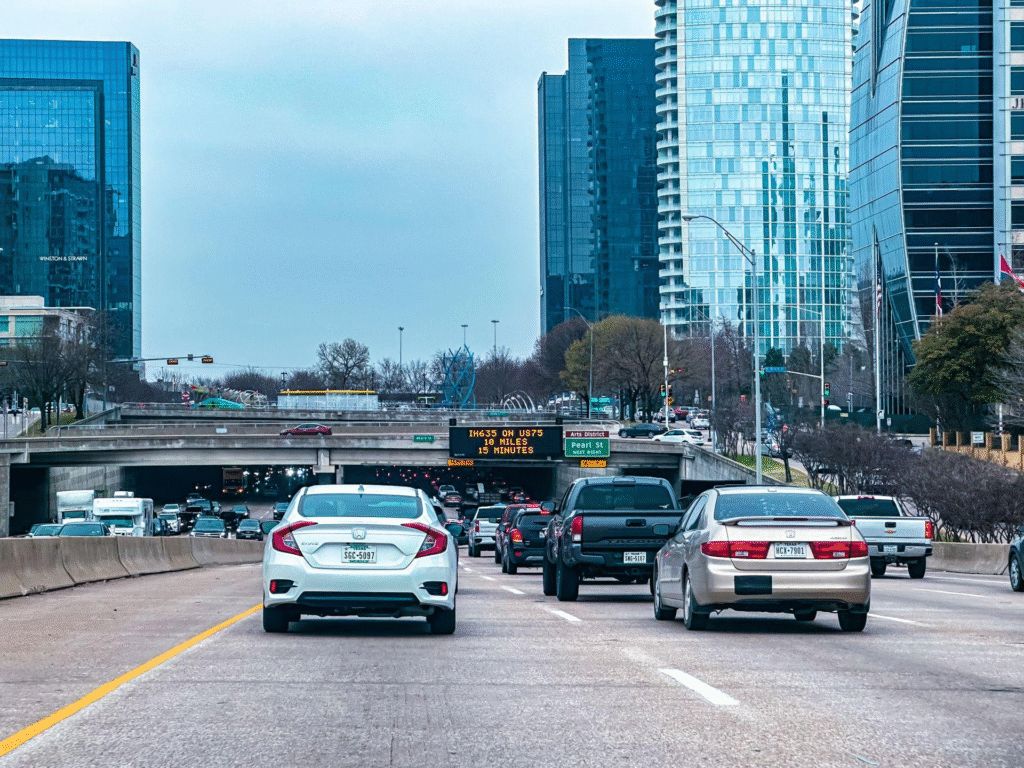
Life in Katy offers plenty of advantages, but for thousands of residents, the workday begins and ends with a lengthy drive. Whether commuting into Houston’s Energy Corridor, downtown, or the Texas Medical Center, spending hours in traffic can gradually affect emotional well-being. While a long commute may seem like little more than an inconvenience, research continues to connect extended travel times with higher stress levels, increased fatigue, and reduced life satisfaction. As awareness grows, more Katy residents are choosing to address mental health concerns before they begin affecting every part of daily life.
When the Drive Home Feels Longer Than the Miles
Many people spend months suffering in silence, believing their irritability, exhaustion, or constant stress is simply the price of having a good job. Yet spending two or three hours each day behind the wheel leaves less time for sleep, exercise, family dinners, hobbies, and meaningful downtime. Over weeks and months, those lost hours can accumulate into chronic stress that becomes difficult to ignore.
It is not always obvious that a commute is contributing to declining mental health. Someone may notice they feel emotionally drained every evening, struggle to concentrate at work, or become unusually impatient with loved ones. Others may experience disrupted sleep, headaches, or find themselves dreading Monday mornings long before the weekend ends. Recognizing these gradual changes allows people to seek support before everyday stress develops into a more significant concern.
Small Changes Can Protect Mental Well-Being
A lengthy commute cannot always be avoided, especially for professionals whose careers are based throughout the Houston metropolitan area. Even so, there are practical ways to reduce its emotional impact. Listening to audiobooks or calming music, avoiding unnecessary schedule overload, preparing meals ahead of time, and creating consistent evening routines can help make demanding days feel more manageable.
Equally important is protecting personal time. Many commuters fall into the habit of answering emails after arriving home or continuing to think about work well into the evening. Establishing boundaries between work and personal life gives the mind an opportunity to recover. That recovery is just as important as the drive itself, especially when long commutes are part of everyday life.
Knowing When Professional Support Makes Sense
Sometimes lifestyle changes are enough to improve emotional health. Other times, persistent anxiety, ongoing sadness, or overwhelming stress deserve a professional evaluation. Reaching out early often makes treatment simpler and more effective than waiting until symptoms begin interfering with work, relationships, or physical health.
Whether someone is looking for a psychiatrist in Austin, Dallas or right in Katy, finding the right provider starts with understanding individual needs rather than comparing experiences with others. A comprehensive evaluation helps determine whether counseling, medication, lifestyle adjustments, or a combination of approaches offers the best path forward. Mental health care is highly individualized, and seeking support reflects good judgment rather than personal failure.
Creating a Healthier Routine Outside the Car
Long commutes make free time feel especially valuable, which is why many Katy residents intentionally use weekends and evenings to reconnect with family, spend time outdoors, or participate in community activities. Those moments provide more than entertainment. They help restore emotional balance after demanding workweeks and reduce the feeling that life revolves entirely around traffic and work obligations.
Building healthy routines does not require dramatic changes. Protecting sleep, staying socially connected, making time for enjoyable activities, and checking in with your mental health periodically can have a meaningful effect over time. For commuters throughout Katy, taking care of emotional well-being is becoming just as important as maintaining a reliable vehicle for the trip to work.
Conclusion
A long commute may never disappear, but its impact on mental health does not have to be ignored. Paying attention to early warning signs and seeking support when needed can help Katy residents protect both their emotional well-being and their quality of life for the long road ahead.
“Disclosure: This article contains sponsored links provided by our clients. Sponsored articles represent the views of the submitting party. The Katy News does not endorse or verify the content or links.”