Photo by Diego Ramirez
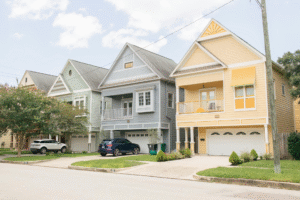
Drive through different neighborhoods around Katy, the greater Houston area, or elsewhere in Texas and you’ll notice something interesting. Some communities built twenty or even thirty years ago still look vibrant and well cared for. Others that are much newer already show signs of wear. The difference isn’t always about home size or property values. In many cases, it comes down to how the neighborhood is managed and maintained over time.
A community ages well when the people responsible for maintaining it take a long-term approach. That includes homeowners, local leadership, and sometimes professional organizations that help coordinate the day-to-day work behind the scenes. While individual homeowners play a role, the overall systems supporting the neighborhood often determine whether a community looks fresh and welcoming decades later or slowly falls into decline. Here are several factors that help explain why some neighborhoods in Texas seem to age gracefully while others struggle.
Strong but Practical HOA Leadership
Homeowners associations often get mixed reviews from residents, but the reality is that the quality of an HOA can significantly influence how well a neighborhood ages. In communities where the HOA functions effectively, there is usually a clear balance between maintaining standards and respecting homeowners.
Strong associations focus on practical goals. They maintain common areas, enforce reasonable guidelines, and manage finances responsibly so that long-term repairs can be handled without surprise assessments. These organizations also communicate clearly with residents about upcoming projects and community decisions.
In many cases, HOAs rely on professional companies to help handle the administrative side of things. For example, communities that use HOA management services in Austin, Houston, and Dallas areas often benefit from services like structured financial oversight, vendor coordination, and maintenance planning that volunteer board members may not have the time or expertise to handle alone. Services like these help associations stay organized and responsive, allowing communities to operate more smoothly as they grow and evolve.
Homes That Are Maintained Season by Season
Even in communities with strong management, the condition of individual homes still plays a major role in how a neighborhood ages. Texas weather can be particularly hard on buildings, especially in the Houston and Katy area where heat, humidity, and storms create constant wear.
Homeowners who stay on top of seasonal maintenance help preserve not only their own property but the overall appearance of the community. Before summer hits, many Texas homeowners take time to inspect roofs, clean gutters, check weather seals, and prepare irrigation systems for seasonal changes. These simple steps can prevent larger issues like water damage, mold, or foundation problems that become much more expensive to repair later.
Routine seasonal maintenance also keeps homes looking fresh. Pressure washing driveways, touching up paint, and maintaining landscaping all contribute to a neighborhood that feels cared for rather than worn out. Over time, the cumulative effect of these efforts helps entire communities maintain their character and value.
Long-Term Infrastructure Planning
Another reason some neighborhoods age better than others comes down to planning. Infrastructure such as roads, drainage systems, playground equipment, and community facilities require periodic upgrades.
In well-run communities, these improvements are anticipated years in advance. Reserve funds are built gradually so that large repairs can be completed without sudden financial strain. This type of planning ensures that roads are resurfaced when needed, community pools stay functional, and aging amenities can be updated instead of abandoned.
Neighborhoods that lack this planning often struggle when infrastructure begins to fail. Without adequate funds or organization, necessary repairs may be delayed or handled in piecemeal fashion. The result is a community that slowly looks more neglected even if many homeowners are doing their best to maintain their own properties.
Community Pride and Resident Engagement
Perhaps one of the most important factors in a neighborhood’s longevity is the sense of pride among the people who live there. When residents feel connected to their community, they tend to invest more effort into maintaining it.
Community events, neighborhood groups, and local involvement all help strengthen these connections. Whether it’s a holiday gathering, a neighborhood cleanup day, or simply neighbors getting to know each other, these interactions create a shared sense of responsibility for the environment everyone lives in.
In places like Katy, where many neighborhoods are home to growing families and long-term residents, that community spirit can become a powerful asset. When people care about where they live, they are more likely to report maintenance issues, participate in improvement efforts, and support decisions that benefit the neighborhood as a whole.
“Article brought to you by site sponsors”