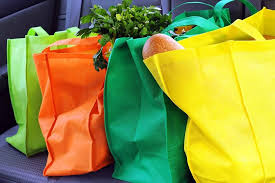
Even with the advent of “Going Green” initiatives sporadically mushrooming in different parts of the globe, there’s still much to be done in saving the environment, especially in the aspect of what the “individual” can do.
You can take part in this movement in the easiest and most practical ways possible. With a list of reasons why you should do so, along with their benefits, as collated by NatureCode, you can include them in your routine quite naturally. As you read through this post, we’re sure you’ll be spurred on towards being planet-friendly, starting in your own backyard!
10 Benefits Of Using Reusables
1. Less To Contribute Towards Landfills
All of our trash eventually get dumped in landfills at the end of every day. Wastes have to be thrown somewhere and unfortunately, this is the location where most of them are discarded. Why should we be concerned about this at all? Does it really have anything to do with you and me?
Well, aside from the fact that landfills are quite the not-pretty sight, wastes that are put together and discarded in such a manner actually emit toxins, chemicals, and greenhouse gases. Add to that, something called leachate.
The first two greatly affect the soil they’re on and are surrounded by. These destroy the nutrients naturally found in soil. As a result, they become inoperative in supporting plant life. What’s worse is that this nutrient-destruction has the capacity to spread not only in the landfills’ domain but in the rest of the area connected to it.
Another negative outcome has to do with greenhouse gases. These break down the natural cycle of the Earth’s oxygen production and in turn releases dangerously high amounts of methane. Methane, you should note, is not twice, thrice, but twenty times as powerful as carbon monoxide.
This is similar to the state of leachate only, such doses of toxic chemicals are brought to life through rainfall that mixes with dangerous compounds in the landfills themselves. These become groundwater and thus poison other bodies of water and seeps through the soil.
When you reuse items frequently, you’ll be helping in the lessening of litter that go into these sites and will, collectively, aid in the decrease of such Planet-destructive occurrences.
2. Environment Devastation Due To Excessive Raw Material Harvesting
It’s true that humankind has day-to-day needs that come from raw materials. In fact, most of what you use today ARE from them. However, unnecessary environment devastation due to overharvesting can be prevented by the simple act of reusing that which can be reused.
For example, most plastics are made from crude oil (it’s the same material converted into petrol). And the process of converting crude oil into plastic bags, bottle, containers, and such, unleash harmful gases into the atmosphere. So reuse those very materials to lessen the necessity of overharvesting.
At the same time, not reusing paper will have the same consequence. Harvesters and manufacturers will continue to hack away at trees to supply the high demand for paper. When, really, with a simple step of not discarding them if they still can be reused will circumvent the overproduction of this product.
3. A Decrease In Energy Usage
The manufacturing of commodities and materials that make your life convenient has a dark side. Wasteful usage of energy equates to environment-detrimental emissions. And it’s been happening for decades now.
Energy conservation can be achieved even through individual contributions. You may not be an owner of a manufacturing plant somewhere around the globe. However, your actions, and everybody else’s, jointly push said industries to work excessively at overharvesting and over-manufacturing. Hence, they, just as excessively, if not more, facilitate the quickening ruin of the environment.
4. Money And Materials-Saving
Now, here’s a practical benefit you’ll experience by reusing items. You’ll be saving more money. As simple as that. When you reuse, you can eliminate the need to purchase and repurchase paper and plastics.
You might be thinking that they don’t really cost you a lot. After all, how much is a pack of paper? Bottled water? But hear us out. Think long-term. The total amount you can save after a period of time will be substantial.
Besides this, what of the time and effort you spend in going out of your way to buy these products? If you have them at home, you can effortlessly clean them or store them for their next use.
The same is true with single-use products. Aside from plastics, glass jars, fabric, takeout cutlery, etc.— you can make a huge impact on their production by using less of them. That’s it. Lunchboxes that can be used, washed and reused, along with durable cutlery, water bottles and similar containers of the same.
The Light At The End Of What Seems To Be A Very Narrow Tunnel
Our lack of awareness, as well as the rest of the world’s lack of understanding and apathy of these catastrophic repercussions still have a turning point, if we may call it that. But now, you know what to do. You can spark change, as cliche as that sounds. Furthermore, you can inspire change. Also a cliche, nonetheless factual.
What’s one person as opposed to the rest of the 7.5 billion people in the world? If you can start, continue, and be consistent with the habit of reusing and recycling, spread the news. Teach your friends, family, and colleagues about how they, too, can follow suit.
In addition to this, the steps to take aren’t even complicated. They won’t warrant analytical thinking and painstaking toil. They’re simple, practical, and functional. Before you and your clan know it, you’ll be experts at reusing and recycling. There are even tons of groups online or in your locale that you can join to further this cause.
You can think of it in this manner— the less you utilize these items, the less demand there’ll be. Henceforth, lesser production will be in place. You’ll be assisting in safeguarding the planet from the destructive path mankind has set it on.
It’s a cycle, and it’s about time you and I write the cycle starting now.