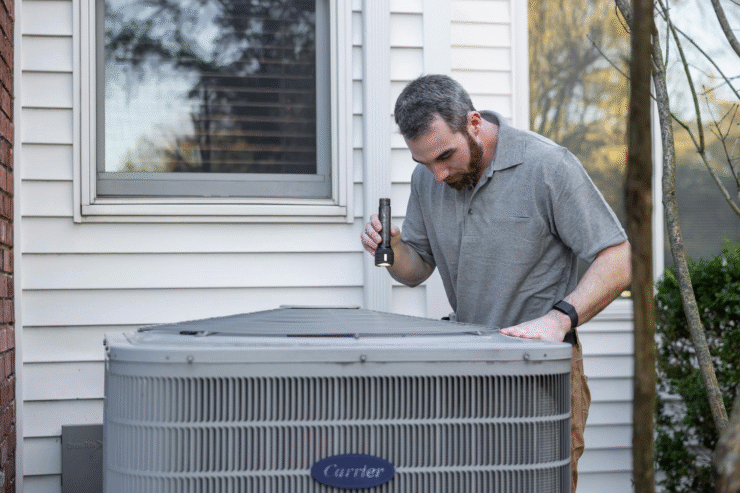
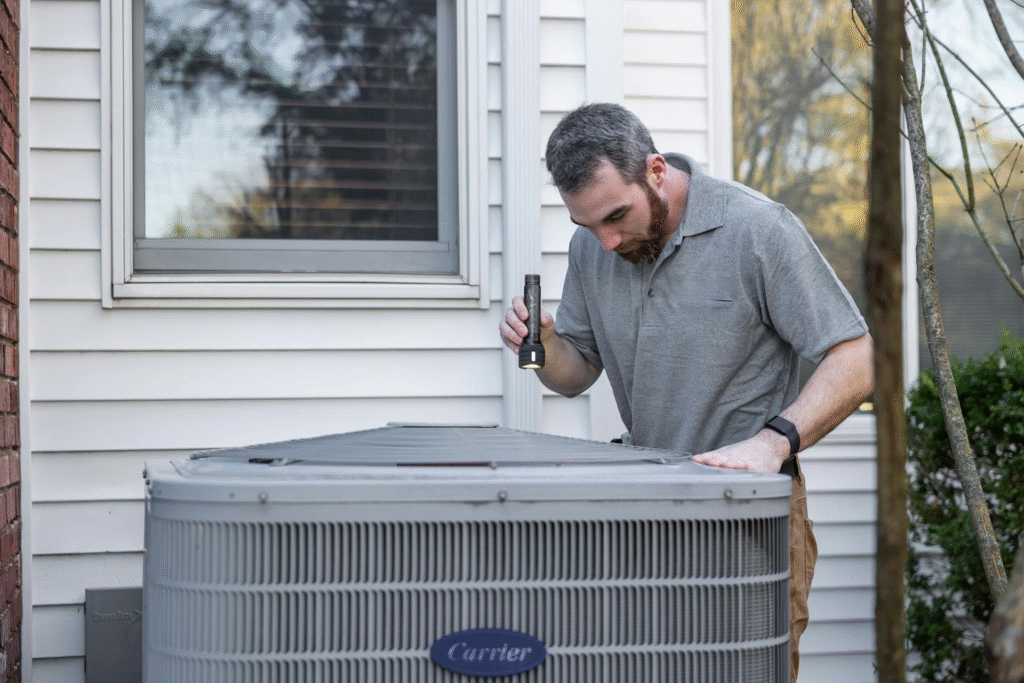
Photo by Kathleen Austin Kuhn
There is a certain confidence that comes with owning a home. You learn a few things, fix a few things, and before long it feels like you can handle just about anything. Then HVAC enters the chat and humbles everyone. In a place like Katy, where weather swings are real but rarely dramatic, heating and cooling systems carry a steady, year round workload that makes them more complex than they look. That complexity is exactly why so many local technicians quietly shake their heads when they hear about DIY attempts gone sideways.
The goal is not to scare anyone off from basic maintenance. Changing filters and keeping vents clear is fair game. But once you get beyond that, things shift fast. What looks like a quick fix can turn into a chain reaction that affects airflow, safety, and even your plumbing if you are dealing with a tankless setup.
System Complexity Matters
HVAC systems are layered. There is electrical, mechanical, airflow design, and often a connection to your home’s broader infrastructure. Even newer systems that promise efficiency still rely on precise calibration to work the way they should. When something is slightly off, it is rarely isolated. Adjusting one component can ripple into others in ways that are not obvious at first glance.
This is where DIY gets risky. It is easy to swap a part and assume the job is done, but without testing pressure levels, electrical load, and airflow balance, you are working blind. That is why technicians spend years learning how these systems behave as a whole, not just how each piece functions on its own.
Hidden Costs Add Up
Trying to save money upfront can lead to higher costs later, and HVAC is one of the clearest examples of that. A small mistake, like tightening the wrong connection or misaligning a component, can reduce efficiency without immediately breaking the system. Your unit keeps running, but it works harder, uses more energy, and wears down faster.
In Katy homes, where systems often run almost nonstop during peak seasons, that extra strain adds up quickly. Utility bills creep higher, and parts fail sooner than expected. By the time a professional steps in, the repair is no longer simple. It becomes a layered fix that could have been avoided with proper handling from the start.
Professional Oversight Is Essential
There is a reason experienced contractors approach HVAC work with a checklist mentality. Every adjustment is verified, every system is tested, and nothing is assumed. That level of detail is not about being overly cautious, it is about protecting the system long term.
When it comes to major decisions like replacing components or improving efficiency, upgrading your HVAC system requires a professional. That is not a sales pitch, it is a practical reality. A trained technician evaluates your home’s layout, insulation, and usage patterns before recommending changes. Without that context, even a well intended upgrade can miss the mark and create more problems than it solves.
Winter Weak Points Show Up
Texas winters are not extreme, but they are just unpredictable enough to expose weak spots in HVAC and water heating systems. Tankless water heaters are a good example. Many are installed in garages or on exterior walls, which leaves them more exposed than traditional indoor units.
When temperatures dip, even briefly, these systems can struggle. Warm up times slow down, and the constant expansion and contraction of pipes can lead to small leaks over time. It is not dramatic, but it is enough to cause headaches if left unaddressed. This is where professionals take a proactive approach. They insulate exposed components, check system performance, and make adjustments that keep everything stable through the colder months.
It is also worth noting how closely HVAC and water systems can interact in a home. A misstep during maintenance can lead to issues that require water heater repair, even if that was never the original goal. That overlap is another reason DIY fixes can spiral into something more involved than expected.
Safety Is Not Optional
HVAC systems deal with electricity, gas, and airflow all at once. That combination demands respect. Even a minor oversight can create safety concerns that are not immediately visible. Improper wiring, gas leaks, or blocked ventilation can develop quietly and only become obvious once damage has already occurred.
Professionals are trained to spot these risks before they escalate. They test for leaks, verify connections, and make sure everything meets current standards. It is not about being overly cautious, it is about preventing situations that no homeowner wants to deal with.
Katy homeowners tend to take pride in their homes, and that shows in how well systems are maintained over time. Letting professionals handle HVAC work is not giving up control, it is protecting the investment you have already made.
Brought to you by site sponsors