What Are Political Advocacy Organizations? Global Influence, U.S. Policy, and International Perspectives
Political advocacy organizations are a central part of modern democracy, operating in the United States and around the world. These groups aim to influence public policy, shape political debate, and represent the interests of specific communities, industries, or international causes.
What Are Political Advocacy Organizations?
Advocacy organizations are structured groups that work to influence government decisions without holding public office themselves. They operate legally within political systems to promote specific policies, values, or national interests.
These organizations exist across many regions, including the United States, Europe, and the Middle East, and they represent a wide range of perspectives—from economic policy to international relations.
How Advocacy Groups Operate
Advocacy groups use several common methods to influence elected officials and public opinion:
- Lobbying: Direct communication with lawmakers and government officials
- Campaign Support: Funding candidates through political action committees (PACs)
- Public Messaging: Media campaigns, advertising, and grassroots organizing
- Policy Research: Providing reports and expert analysis
Organizations such as the Heritage Foundation and the Center for American Progress shape domestic policy debates through research and political engagement.
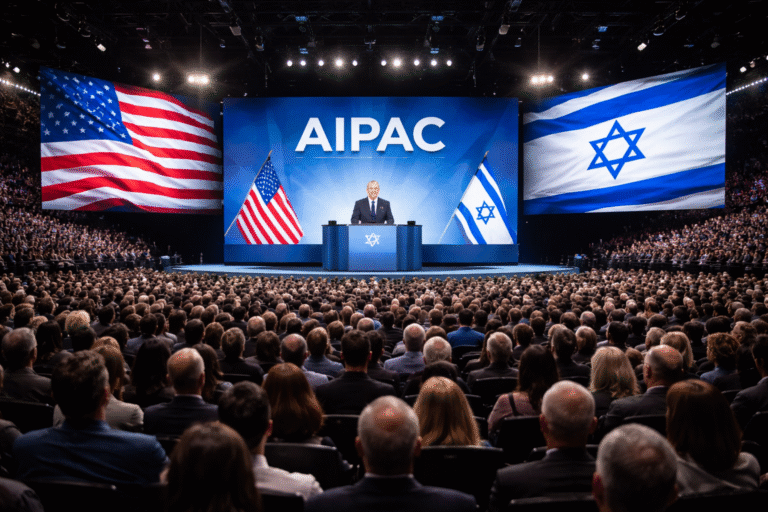
Advocacy Groups Focused on Israel and the U.S.
Several organizations focus on U.S.–Israel relations or related policy discussions:
- J Street (United States) – promotes diplomacy and a two-state solution
- Christians United for Israel (United States) – mobilizes Christian political support
- Zionist Organization of America (United States) – advocates strong pro-Israel policies
- BICOM (United Kingdom) – provides research and media engagement
Advocacy Groups Representing Palestinian and Arab Perspectives
Advocacy is not limited to one side of international issues. Several organizations focus on Palestinian rights, Arab-American interests, or Middle East policy from a different perspective:
- American-Arab Anti-Discrimination Committee (United States)
- Focus: Civil rights and advocacy for Arab Americans
- US Campaign for Palestinian Rights
- Focus: Palestinian human rights and policy advocacy
- Council on American-Islamic Relations (CAIR)
- Focus: Civil rights, policy advocacy, and public awareness
- Palestine Solidarity Campaign
- Location: United Kingdom
- Focus: Advocacy for Palestinian rights and public campaigns
Advocacy Groups from Other Countries and Global Influence
Political advocacy is a global phenomenon, with organizations influencing policy in multiple countries:
- World Jewish Congress
- Global organization representing Jewish communities
- National Iranian American Council (NIAC)
- Focus: Iranian-American policy interests
- StandWithUs
- Focus: Global education and advocacy
These groups often operate internationally, engaging with governments, media, and public audiences.
Why Advocacy Groups Matter
Advocacy organizations influence key areas that affect everyday life, including:
- Foreign policy and international relations
- Civil rights and social justice
- Economic and business regulations
- National security
Supporters argue these groups give communities a voice in government. Critics raise concerns about transparency, funding, and the level of influence they hold.
Political advocacy organizations are a permanent feature of democratic systems worldwide. They represent diverse viewpoints, compete to influence policy, and contribute to public debate on major issues.
Understanding these groups—whether they focus on U.S. policy, Israel, Palestine, or global interests—provides insight into how modern political decisions are shaped.