
I. Introduction
Solenoid valves are vital components in various industries, as they play a critical role in controlling the flow of fluids or gases in different applications. This article aims to provide an informative and educational overview of solenoid valve applications, examples, and uses, illustrating how these components contribute to the efficient operation of various systems.
II. Understanding Solenoid Valves
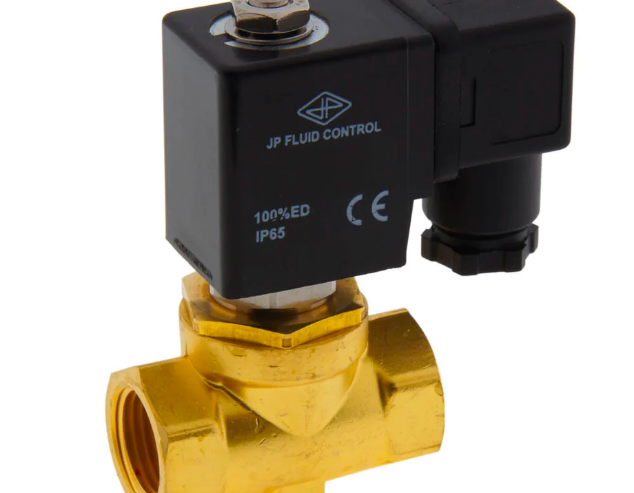
Solenoid valves are electromechanical devices that control the flow of fluids by opening, closing, or partially obstructing the flow passage. They consist of a coil, a plunger, and a valve body, which work together to regulate fluid flow precisely.
There are three main types of solenoid valves:
- Direct-acting solenoid valves: These valves directly connect the solenoid and the valve seat. They are suitable for low-pressure applications and can function with zero differential pressure.
- Indirect-acting solenoid valves: Also known as pilot-operated valves, these valves use pressure differences in the fluid to control the valve. They are typically employed in high-pressure applications.
- Semi-direct acting solenoid valves: These valves combine the features of direct-acting and indirect-acting valves, making them suitable for medium-pressure applications.
III. Solenoid Valve Applications
Solenoid valves have various applications in different industries, including:
- HVAC systems
Air conditioning units: Solenoid valves regulate refrigerant flow in air conditioners, contributing to energy-efficient cooling. For example, they can manage the refrigerant flow between different components, such as the evaporator, condenser, and compressor, ensuring optimal cooling performance and energy efficiency.
Heating systems: They control the flow of heated water, steam, or hot air in radiators and other heating devices, ensuring optimal temperature distribution. Solenoid valves can be found in residential and commercial boilers, where they regulate fuel and water flow to maintain a consistent temperature throughout the building.
- Hydraulic systems
Industrial machinery: Solenoid valves manage the flow of hydraulic fluid in machines and equipment, such as presses, lifts, and conveyor systems, ensuring accurate and efficient operation. In a hydraulic press, for example, solenoid valves control the flow of hydraulic fluid to the cylinders, allowing operators to control the pressure and movement of the press accurately.
Automotive applications: They control hydraulic pressure in braking systems, clutches, and power steering systems, enhancing vehicle safety and performance. In an anti-lock braking system (ABS), solenoid valves rapidly modulate the brake fluid pressure to prevent wheel lock-up during sudden braking.
- Vacuum applications
Analysis devices: Solenoid valves regulate gas flow in vacuum chambers for various analytical processes, such as mass spectrometry or electron microscopy. Solenoid valves help maintain the right vacuum level required for accurate measurements and analysis by precisely controlling the gas flow.
Handling systems: They control vacuum grippers, suction cups, and vacuum conveyors used for material handling, improving productivity and reducing the risk of damage to delicate components. In a pick-and-place robot, solenoid valves regulate the vacuum pressure applied to grippers, allowing the robot to handle fragile items gently.
- Fuel systems
Dispensing fuel in automotive and industrial applications: Solenoid valves control fuel flow in dispensing systems, ensuring precise delivery and preventing leaks. For instance, they can be found in fuel dispensers at gas stations, where they control the flow of gasoline or diesel from the storage tank to the customer’s vehicle.
Fuel shut-off: They act as safety devices that can shut off fuel flow in emergencies, such as fire or equipment malfunction. In a generator, a solenoid valve can be used as an emergency shut-off mechanism to prevent fuel flow in case of overheating or other hazardous situations.
- Water treatment
Flow control: Solenoid valves regulate water flow in treatment plants or distribution networks, maintaining optimal pressure and flow rates. For instance, they can control the flow of chemicals in a water treatment plant to ensure accurate dosing and efficient treatment.
Irrigation systems: They manage the water supply in agricultural irrigation systems, ensuring efficient and accurate watering of crops. In a drip irrigation system, solenoid valves can regulate water flow to individual emitters, precisely controlling the amount of water delivered to each plant.
- Industrial automation
Process control: Solenoid valves control pneumatic or hydraulic actuators in automated processes, allowing for precise positioning and movement of machinery components. For example, in a bottling plant, solenoid valves control the movement of pneumatic actuators that fill and cap bottles, ensuring consistent product quality and output.
Pneumatic systems: They regulate compressed air flow in pneumatic circuits, powering various industrial tools and equipment. In an assembly line, solenoid valves may be used to control pneumatic drills, clamps, or other tools, optimizing efficiency and productivity.
IV. Factors to Consider in Solenoid Valve Selection
Selecting the appropriate solenoid valve for a particular application is crucial for optimal performance. Key factors to consider include:
- Valve size: The size should match the application’s required flow rate and pressure range.
- Pressure range: The valve should be compatible with the system’s operating pressure.
- Fluid compatibility: The valve materials should be resistant to the fluid or gas being controlled to avoid corrosion or damage. Materials like stainless steel, brass, and plastic are used in the construction of solenoid valves.
- Temperature range: The valve should be capable of withstanding the temperature fluctuations in the working environment.
- Voltage and power requirements: The solenoid coil should be compatible with the available power supply and voltage levels for safe and efficient operation.
V. Conclusion
Solenoid valve applications and uses various span industries, underlining their versatility and importance in fluid and gas control systems. Users can ensure optimal system performance and reliability by understanding the different types of solenoid valves and their specific applications and considering the key factors in solenoid valve selection.