


A building is often considered just a merging of bricks, metal, wood, and other materials. But despite how true that statement is, a building is more than that because of the people that stay in it. Be it for work, living, partying; a building is what it is thanks to the people that occupy it. This is why finding the perfect installations for your building is super important. If this process is botched, the building quickly loses its relevance and is abandoned. It also costs more money as you have to find new installations when the substandard ones disappoint you. This guide exists for that reason. To help you handle your building’s installation, so it doesn’t get overwhelming and also assist you in finding the perfect system that allows for seamless everyday living by occupants. There are a lot of factors to consider, but I know these few tips will point you in the right direction.
Always Have A Solid Plan
Before the first bulb or pipe is installed, you have to have a rock-solid plan in place. You need to create a budget and consider the blueprints of the building before setting forth to buy any things. You need to decide the type of electrical installations you want, the type of water systems you want, maybe consider a Commercial Grade Water System if your building requires energy saving on water systems and other things. A plan will set the rest of your decisions in the right direction and even save you money and time.
Invest In A Good Electrical Installation
Electrical installations consist of all the fixed electrical appliances and equipment that are supplied via the electricity meter. It includes all the wires hidden in the walls, the outlets, and a host of other things. When taking care of electrical installations, you have to consider a lot of things like enough sockets to minimize the use of socket adapters, adequate protective measures to prevent wires from contacting occupants, satisfactory earthing arrangements to easily clear electrical faults etc.
These things are important as electricity is the bedrock of operation in every modern building, and bad electrical installations will ruin the experience in said building.
HVAC Is Important
HVAC is Heating, Ventilation, and Air Conditioning systems. They are in control of the temperature and airflow in the building and, like other installations, are important in the optimization of the building’s function. This process must be monitored keenly. You have to make sure that all system parts have manufacturer guarantees, that the people are handling it calculate the J load correctly, that the system is the right size for the J load calculation, and that all permits are covered.
Also, make sure that installing your HVAC protects your property from damage when they’re installing the system. For example, will the company pay for scrapes to your wooden floor gotten during installations?
Plumbing And Sanitary Are Important Too
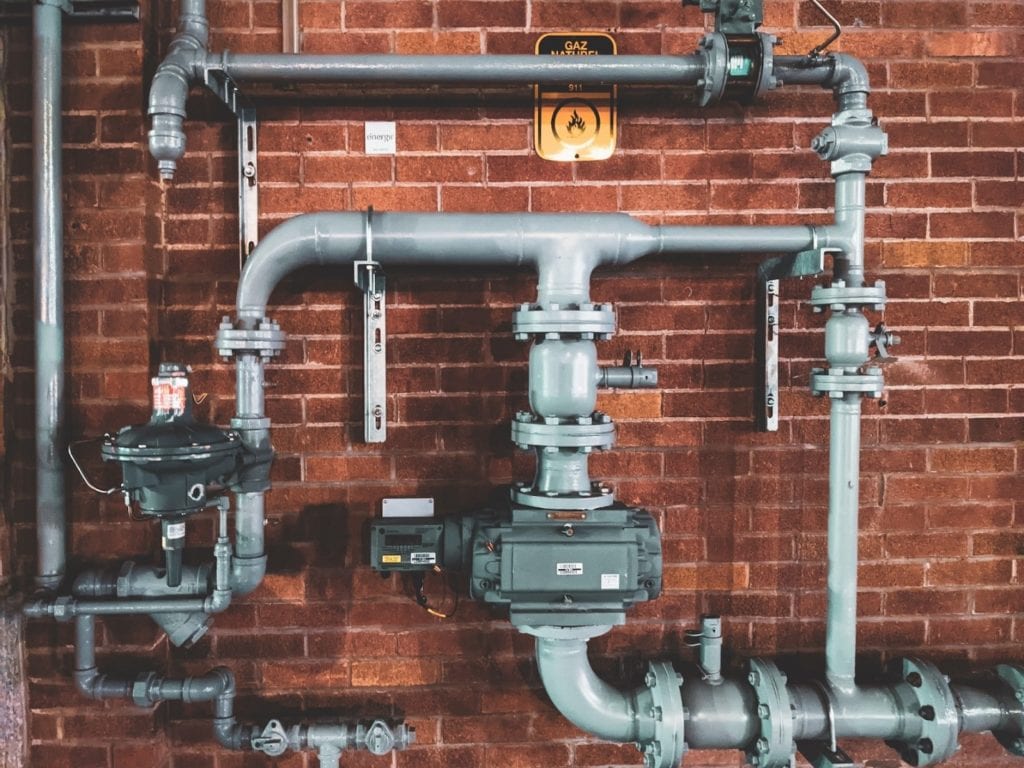
Plumbing is important as the water supply to a building is important for hygiene. It works hand in hand with sewage disposal to maintain sanitary conditions and even prevent the spread of diseases. If done wrongly, the other installations in the building can be damaged, leading to more expenses. Many factors have to be considered to achieve a good plumbing and sewage system.
The fixtures, joints, and pipes used for the plumbing system should be checked carefully and also tested and disinfected before use. The plumbing system should not interact wrongly with the sewage system so that clean water will not be contaminated. And collaborations with other installations like electrical for the water heater should be carefully done to prevent harm.
Have Joint Meetings With Those In Charge Of Each Installation s
To create a perfect system, these installation areas cannot work in isolation. If they do, you end up having wrong interactions that can lead to at least delay and waste of money, at worst physical harm to occupants. This is why having everyone from all installation areas part of the plan allows for the smooth completion of tasks and the smooth operation of the building. These meetings can even birth more efficient and innovative ideas to create a perfect system for the building.
These are just a few tips that will help you effectively handle your building’s installation and keep your head above water in a process that can get overwhelming sometimes. Your building and finances will thank you after you follow these tips.






