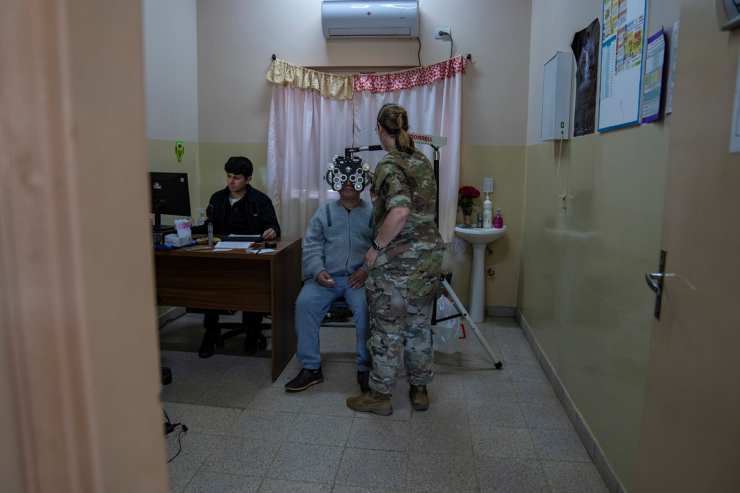
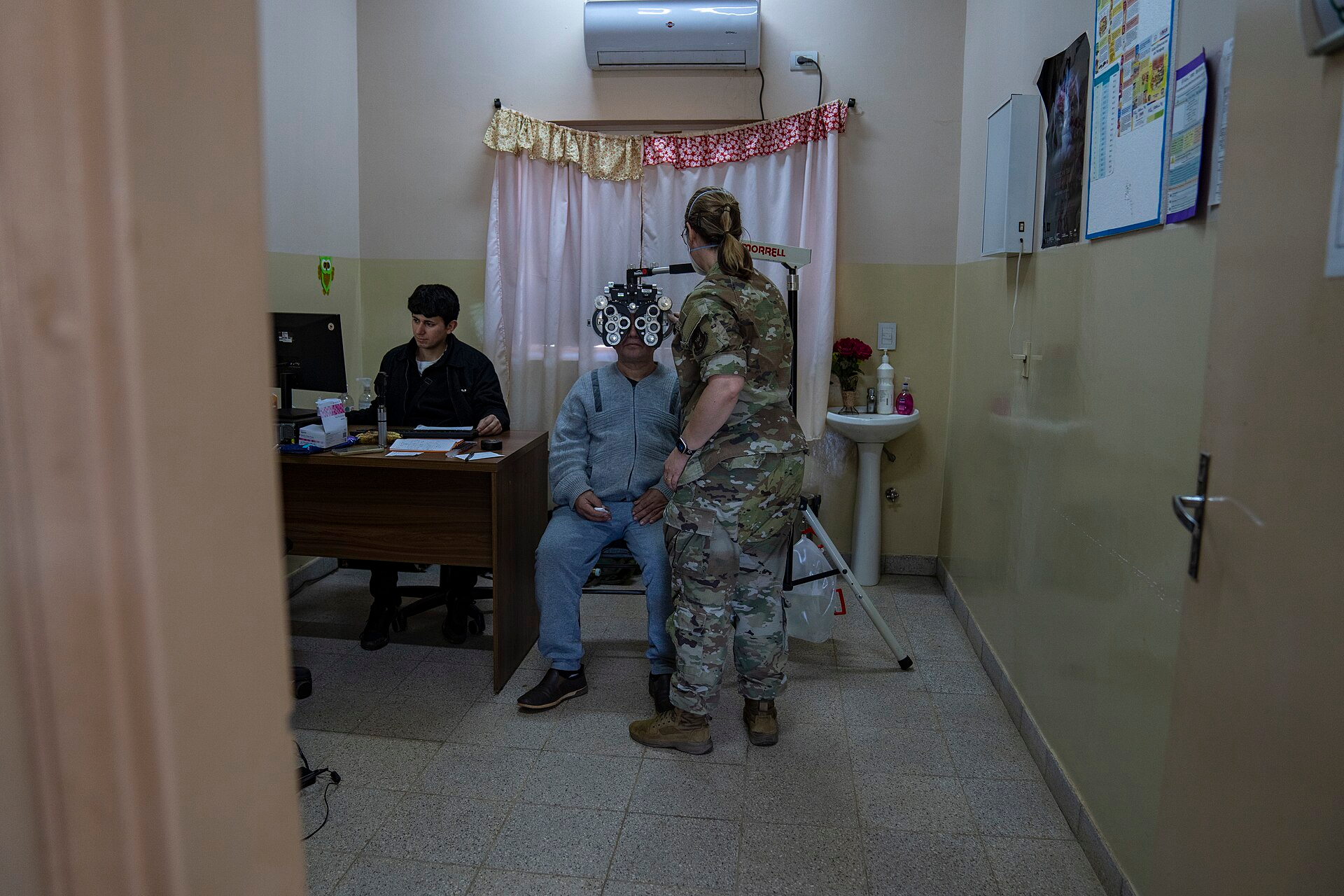
Image by U.S. Air Force photo by Andrea Jenkins on Wikimedia Commons · Public domain
An eye-care search might begin with a prescription that no longer seems right, a new symptom or a referral from another clinician. Getting from that search to a useful appointment takes more than finding an open time slot. The type of care you need, your insurance coverage and the location of the visit all matter. For residents of Katy, Fulshear and the wider Houston area, a few checks before booking can make the first call more productive.
Start With the Kind of Eye Care You Actually Need
If you are looking for an eye doctor in Houston, begin by describing what prompted the search. Eye Center of Texas has a Houston/Bellaire office, but whether that office—or any other practice—is a good starting point depends on the visit you need. A routine prescription update, a persistent eye concern and a discussion about surgery call for different conversations when you contact an office.
The term “eye doctor” covers more than one profession. The National Eye Institute’s guide to finding an eye doctor explains that both optometrists and ophthalmologists can provide general eye care, including a comprehensive dilated exam and prescriptions for glasses or contact lenses. An optometrist may therefore be a suitable starting point for a routine exam. For a serious eye problem, an ophthalmologist may provide treatments that an optometrist does not, including surgery.
Ophthalmologists are medical doctors trained to diagnose and treat eye disease and perform eye surgery; optometrists provide primary vision care, and their authorized scope of practice varies by state. The American Academy of Ophthalmology’s explanation of eye-care roles can help put those distinctions in context. You do not need to settle every clinical question before calling. Tell the office whether you want routine care, have symptoms or have been referred for a specific concern, and ask what kind of appointment fits that description.
Confirm Insurance and Visit Details Before You Set a Date
Once you know what you are calling about, check coverage for that particular visit rather than assuming that every eye appointment falls under the same benefit. A routine vision exam, an assessment of a medical eye concern and a consultation about an elective procedure may be handled differently by a plan. The National Eye Institute advises patients to check whether an eye doctor is in their plan’s network, which services are covered and what they may have to pay out of pocket.
Start with your insurer’s current information, then speak with the office about the appointment you intend to schedule. Ask whether the individual clinician is in-network for your plan and whether the office expects to bill the visit as routine vision care or medical eye care. If you have a referral, ask how to provide it; if you do not, check whether your plan requires one for the service in question. These questions are especially useful when a search result gives you a practice name but little detail about the type of visit available there.
It also helps to ask what might happen if the clinician recommends additional testing or a return visit. Coverage and patient costs depend on the plan and the services provided, so an answer about the initial exam may not cover every later step. Knowing which questions remain for your insurer can help you make a scheduling decision without treating an estimate as a final bill.
Pick a Location You Can Manage Beyond the First Visit
A convenient address is useful only if the appointment itself fits your day. Across Greater Houston, a trip that looks straightforward on a map can be harder to manage around work, school pickup or a family member’s schedule. When comparing offices, consider the time you would need to arrive, park, check in and travel home. Ask which location will host the specific appointment you need, particularly if a practice has several offices.
Eye Center of Texas lists its Houston/Bellaire office at 6565 W. Loop S., Suite 650, Bellaire. For someone traveling from Katy or Fulshear, the useful question is not simply which address appears closest. It is where the relevant visit can take place and whether any recommended follow-up would be practical from home or work. Confirm the address when you book so you do not plan a trip to the wrong office.
Ask whether your eyes are likely to be dilated and what that could mean for the trip home. Dilation can temporarily blur near vision and increase sensitivity to light; some people prefer to arrange a ride rather than drive afterward. If another person needs to accompany you, settle that detail before choosing the appointment time. The same planning matters if further testing or a follow-up visit might require another trip.
Give the Office Useful Information When You Call
A clear account of why you need care helps the office direct your call. If you have symptoms, be ready to say what you have noticed, when it started and whether it has changed. Mention whether the concern affects one eye or both, and describe any pain or change in vision in plain language. If another clinician referred you, have the reason for the referral available. You do not have to identify the condition yourself; the aim is to give the scheduling team an accurate picture of your concern.
Keep your insurance card nearby, along with the name of any referring clinician and information about previous eye exams or treatment. Before the visit, gather your current glasses or contact lens details, a list of medications and any eye records the office asks you to bring or send. If you use eye drops, include them on that list. Asking about forms and records during the scheduling call may spare you a last-minute search for documents on appointment day.
It is also reasonable to ask what the visit is intended to address and whether you should expect dilation or additional tests. Those details can help you allow enough time and prepare questions for the clinician. Sudden vision loss, an eye injury or severe acute eye symptoms should not wait for a routine appointment slot; seek prompt medical attention instead. When you describe an active symptom by phone, make its timing clear rather than presenting it as a routine checkup.
Leave the Visit With a Clear Next Step
The appointment is most useful when you understand what happens afterward. Before leaving, ask the clinician to explain the findings in terms you can follow. If a test is recommended, ask what question it is meant to answer. If you are given a prescription or treatment instructions, make sure you know how to use them and what to do if you have trouble following the plan. Written instructions can be helpful when several points come up during one visit.
Find out whether you need a follow-up appointment, a referral or records sent to another clinician. If another visit is recommended, ask what it will address and which office you should contact to arrange it. You should also know whom to call if a question comes up after you get home or a symptom changes. That is particularly important when the first appointment is one step in a longer course of care.
For Houston-area residents, a workable path begins before the calendar comes out: describe the care you need, check the coverage that applies to that visit and choose a location you can manage. Bring the details that help the office understand your concern, then leave with a plan you understand. Those steps cannot predict what an exam will find, but they can make the route from search to care clearer.
“Disclosure: This article contains sponsored links provided by our clients. Sponsored articles represent the views of the submitting party. The Katy News does not endorse or verify the content or links.”