
When it comes to taking care of our health, we often turn to general practitioners for advice. However, when it comes to musculoskeletal issues such as bone and joint problems, it is best to seek guidance from a specialist – an orthopedic surgeon. These medical professionals specialize in the diagnosis, treatment, and prevention of conditions related to the musculoskeletal system. From sports injuries to arthritis, orthopedic surgeons have extensive knowledge and experience in managing a wide range of issues that can affect our bones, joints, muscles, ligaments, and tendons.
In this blog post, we will discuss some essential health guidelines that you can only receive from an orthopedic surgeon. So, let’s dive in!
Proper Diagnosis and Treatment for Musculoskeletal Issues
Orthopedic surgeons are trained to accurately diagnose and treat a wide range of musculoskeletal issues. For instance, orthopedic surgeons in Atlanta have in-depth knowledge of the complex structures that make up our bones, joints, muscles, ligaments, and tendons. By conducting thorough physical examinations and utilizing advanced imaging techniques, orthopedic surgeons can identify the root cause of a patient’s symptoms and develop an effective treatment plan.
With their specialized training and experience, orthopedic surgeons are equipped to handle even the most complicated musculoskeletal issues, providing patients with the best possible chance of recovery and improved overall health.
Preventive Measures for Bone and Joint Problems
Orthopedic surgeons do not just treat existing conditions; they also provide valuable guidance on how to prevent bone and joint issues from occurring in the first place. This can include recommendations for proper nutrition, exercises to strengthen muscles and bones, and advice on maintaining good posture and body mechanics.
By proactively addressing potential risk factors for bone and joint problems, orthopedic surgeons help patients maintain optimal musculoskeletal health and reduce their chances of developing conditions such as osteoporosis, osteoarthritis, and repetitive strain injuries. For instance, orthopedic surgeons may recommend specific supplements, such as calcium and vitamin D, to strengthen bones and prevent fractures.
Education on Proper Body Mechanics and Posture
Orthopedic surgeons not only treat conditions related to the musculoskeletal system but also educate patients on how to properly take care of their bodies. This includes teaching proper body mechanics and posture to prevent injury and strain on the bones, joints, and muscles. This is important for people of all ages, especially athletes, as incorrect body mechanics and posture can lead to long-term damage and injury.
By understanding how to move and position their bodies correctly, patients can reduce the risk of developing musculoskeletal issues and improve their overall physical health. Orthopedic surgeons can also provide guidance on ergonomics in various settings such as the workplace or during sports activities to prevent repetitive strain injuries and promote optimal musculoskeletal wellness.
Exercise Recommendations for Musculoskeletal Health
Orthopedic surgeons are well-versed in the benefits of exercise for musculoskeletal health. Depending on a patient’s specific condition and needs, orthopedic surgeons can recommend tailored exercises to strengthen muscles, improve flexibility and range of motion, and promote overall joint health.
These exercises can also help prevent or manage conditions such as osteoporosis, which is characterized by weak and brittle bones. Orthopedic surgeons can also provide guidance on the correct techniques and frequency for various exercises to ensure maximum benefit without causing further strain or injury. A good example is when an orthopedic surgeon might recommend low-impact exercises, such as swimming or yoga, for a patient with knee pain.
Nutritional Guidance for Strong Bones and Joints
Proper nutrition plays a crucial role in maintaining strong bones and joints. Orthopedic surgeons can provide patients with valuable guidance on incorporating bone-healthy foods into their diet, such as calcium-rich dairy products, leafy greens, and fortified cereals. They can also offer recommendations for supplements to ensure adequate intake of vital nutrients for musculoskeletal health.
Moreover, orthopedic surgeons can also provide advice on how to limit or avoid foods that may contribute to inflammation and joint pain, such as processed and sugary foods. By making informed dietary choices, patients can support their musculoskeletal health and overall well-being with the help of an orthopedic surgeon.
Treatment Options for Sports Injuries
Orthopedic surgeons are well-equipped to handle sports injuries, which can range from minor sprains and strains to more severe conditions like fractures or ligament tears. With their extensive knowledge of the musculoskeletal system and experience in treating various types of injuries, orthopedic surgeons can provide accurate diagnoses and recommend the most effective treatment options.
This may include physical therapy, minimally invasive procedures, or surgery in more severe cases. By seeking guidance from an orthopedic surgeon, athletes can receive specialized care that will help them return to their sport safely and efficiently.
Management Strategies for Arthritis Pain
Arthritis is a common condition that can cause chronic pain and stiffness in the joints. Orthopedic surgeons are experts in managing arthritis pain, and they can offer a range of treatment options to help patients find relief.
This may include medications, injections, physical therapy, or surgery depending on the severity and type of arthritis. With their expertise, orthopedic surgeons can develop personalized management strategies for each patient to improve their quality of life and reduce the impact of arthritis on daily activities. They can also provide guidance on lifestyle modifications, such as weight management and low-impact exercise, to help manage arthritis symptoms.
Post-Surgical Rehabilitation Plans
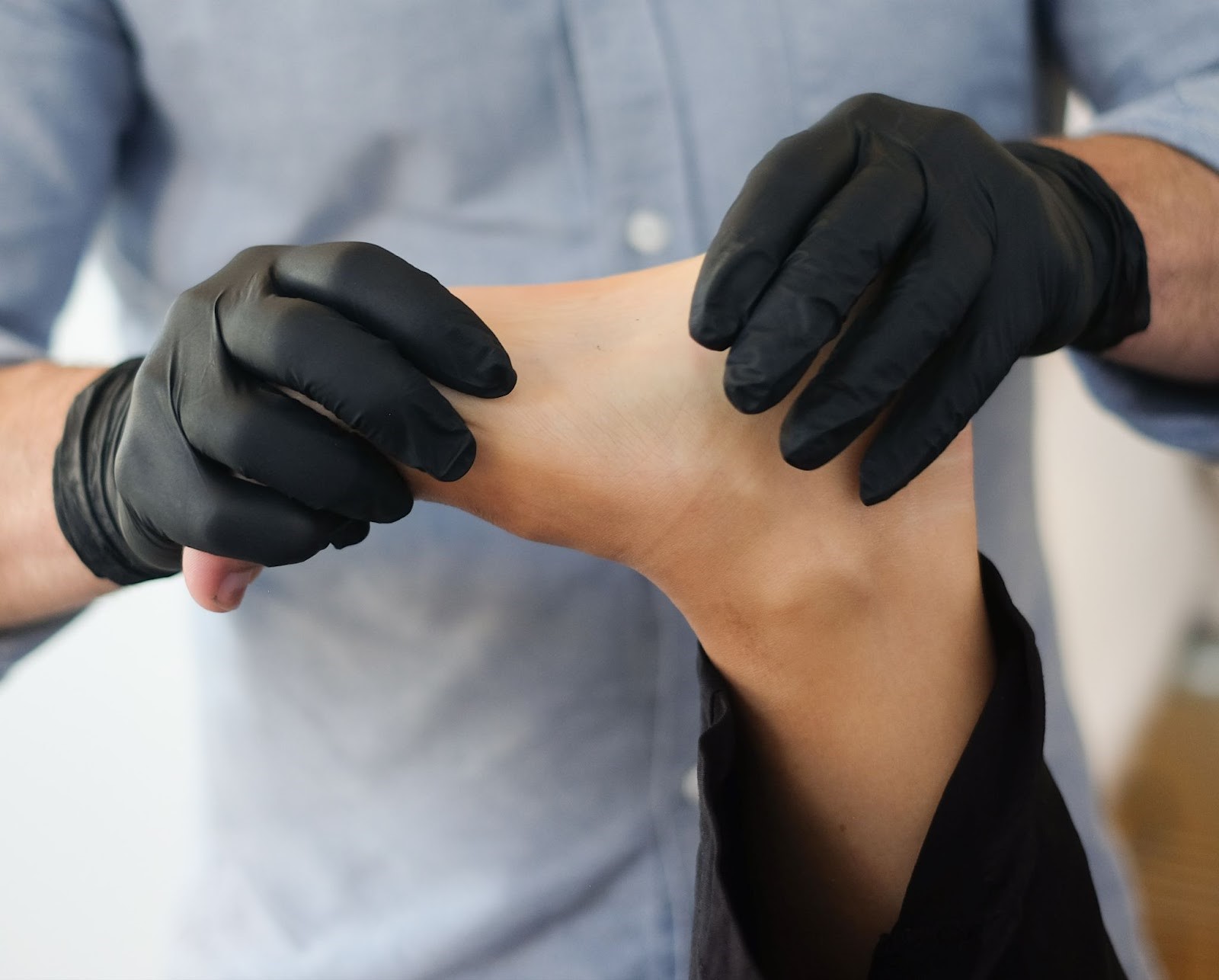
In cases where surgery is necessary, orthopedic surgeons not only perform the procedure but also provide guidance on post-surgical rehabilitation. This may include physical therapy exercises, lifestyle modifications, and pain management strategies to ensure a successful recovery.
Orthopedic surgeons work closely with patients to create individualized rehabilitation plans that address their specific needs and goals. This ensures a full recovery and helps prevent any complications or re-injuries. With the guidance of an orthopedic surgeon, patients can safely return to daily activities and regain strength and function in their affected area.
Orthopedic surgeons are a valuable resource when it comes to maintaining optimal musculoskeletal health. From diagnosis and treatment of existing conditions to preventive measures and post-surgical rehabilitation plans, these specialized medical professionals offer essential guidance that can only be obtained from their extensive knowledge and experience in managing bone and joint issues. By seeking advice from an orthopedic surgeon, individuals can take proactive steps towards preventing and managing musculoskeletal problems, ultimately improving their overall health and quality of life.