Mozaico shares expert advice on how to create DIY mosaic pots
DIY mosaics projects are one of the most versatile and are accessible even for those who don’t have previous experience. The affordability of materials and endless possibilities to recycle and reuse old objects make this form of decoration eco-conscious and sustainable. Mozaico, experts in handmade custom mosaics, share some tips on how to create mosaic flower pots for summer outdoor spaces.
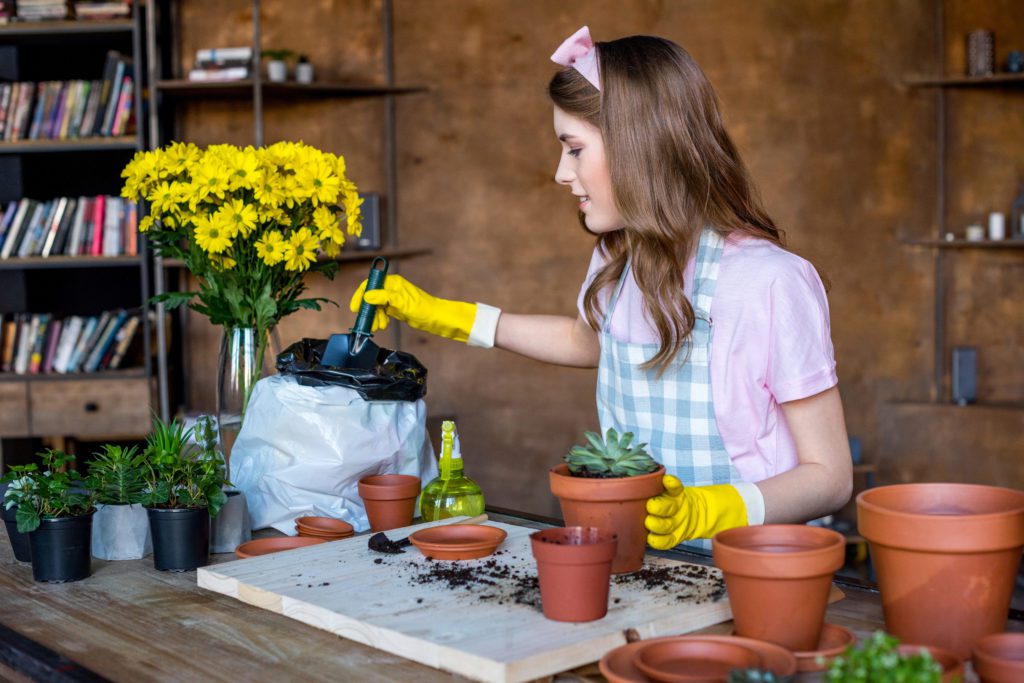
Image courtesy from Mozaico
Choose the Right Base Pot
To make sure the flower pot can withstand the harsh climate conditions and the humidity due to constant contact with water and the ground, it is important to choose the right material for the pot you are going to turn into mosaic art.
“Generally, terracotta pots are considered to be some of the most versatile and accessible — they come in a variety of shapes and sizes, and are easy to customize. However, this material is pretty porous, which makes it sensible for colder temperatures, so if you are planning to have your pots outdoors all year round, you might want to consider cement pots as a base for your mosaic art project instead,” – shares Chady Tawil, CEO at Mozaico.
Think Creatively of Mosaics Materials
The beauty of mosaic art is that it can be assembled from almost anything: think stones, broken china, plates, tiles, or even some small objects and souvenirs from travels. Such DIY projects are great to be shared with family, adding a meaning to design together, in order to make these objects really speak to every member of the family.
For those looking for cleaner lines and a more unified look, Mozaico offers an option of a customizable mosaic kit — describe your idea and provide the dimensions and the team at Mozaico will prepare all the basic materials needed to assemble the mosaic and send it in one easy-to-use kit.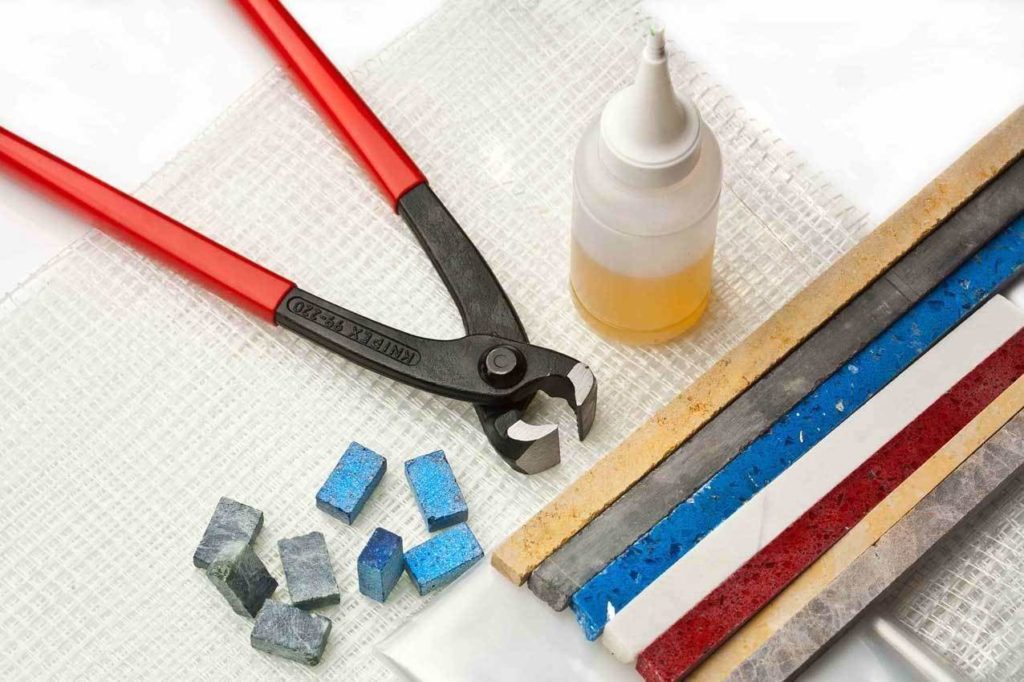
Image courtesy from Mozaico
Remember the Basic Safety Rules
Even though making a mosaic is all about fun and setting your imagination free, it is still crucial to remember several simple safety rules, which will make the whole process more safe and more enjoyable.
“Since you will be breaking and cutting the materials you will use to assemble the mosaic, always remember to use protective glasses and, when breaking larger pieces, cover them with a towel to prevent small particles from flying across the room. Invest in tile nippers and protective gloves to help you cut smaller pieces safely. Mosaic art doesn’t require a huge amount of tools, but make sure to use at least a basic set of them so that the whole experience is fun, which will leave you with a desire to create more mosaic art in the future,” – concludes Chady Tawil.