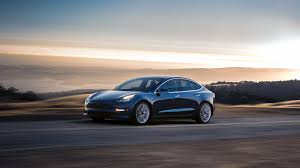
In September, California passed an executive order that requires all new passenger cars and trucks in the state to be emission-free by 2035. The state is taking the lead in decreasing emissions amidst a political climate that isn’t providing any certainty in terms of environmental action.
California’s ambitious mandate is predicted to reduce greenhouse gases in the state by 35 percent. With the state’s major air quality and pollution issues, this mandate can make a huge difference. However, it has brought up many questions about its legality, practicality, and consequences for the automobile industry. Read on to learn about this new law and how the potential it has to revolutionize auto manufacturing.
What Happens Under This New Law?
Under Governor Gavin Newsom’s executive order, all auto manufacturers in the state of California must be selling zero-emission vehicles by 2035. For trucks, this order extends to 2045. This law also applies to buses.
This means that by 2035, car manufacturers will not be permitted to sell new gasoline-powered vehicles in California, only electric and other non-gas-powered vehicles. However, used gas-powered vehicles will still be available for purchase and citizens will not be penalized for purchasing or owning non-EV cars.
In addition, this law calls for an array of other changes within local and federal governments, infrastructure, incentives, and energy usage plans. Essentially, this mandate requires massive changes for many businesses and industries.
Other States Might Follow
California is a huge state and an epicenter for technological innovation. It is also a state that regularly leads the United States in environmental action. Their new EV law might seem drastic to many, but it is a push that the auto industry and environment needs.
California is giving manufacturers only 15 years to make fast, innovative, and costly changes. If they don’t, they won’t be able to sell their vehicles as gasoline-powered cars will not be accepted.
Other states will be affected by this. They will also see evidence of such an ambitious plan working or failing.
A number of states in the northeast and northwest have followed California’s previous emission mandates including New York, Massachusetts, Pennsylvania, and Washington. New York and Pennsylvania are the fourth and fifth-most populous states, respectively, after California.
Thus, if they follow California’s actions, they can create significant change for the rest of the country in terms of the availability of non-gas-powered vehicles, encouraging shoppers to go electric the next time they need to junk or sell their current vehicles.
Encourage More Auto Manufacturers to Go Green
California is home to millions of Americans with billions of dollars in economic power. A state as large and as populous as California has the potential to significantly affect the auto industry financially. In fact, it has the world’s fifth-largest economy.
With millions of people not purchasing gas-powered cars, car manufacturers will have no choice but to adjust production and manufacture more EVs. Doing so can encourage these companies to create the technologies and vehicle capabilities needed to support electric power.
As an added bonus for consumers, the increased availability of electric vehicles will make them cheaper and more accessible to drivers of all economic classes. Moreover, as money pours into the green vehicle market, manufacturers will have more capital to invest in improving EVs.
Pave the Way for Other Ambitious Green Laws
This is one of the most aggressive environmental laws passed by any state and some Americans are concerned about it. Although its practicality and legality are being questioned, it still is exactly what the kind of action our rapidly deteriorating environment needs.
If this law does indeed reduce greenhouse emissions in California by 35 percent, it will get the attention of lawmakers outside of California. Controversial laws and actions need proof of their effectiveness to gain support. If a state like California can reverse its emissions by taking drastic actions, others might be persuaded to do something similar.
Additionally, making such a big change in one industry can have a domino effect on others. As stated before, the state of California will have to make a number of adjustments in order to accommodate the new mandate and meet the guidelines by 2035. As a consequence, new rules will have to be put in place. If this law has the far-reaching impact that it is predicted to, then new green laws are on their way.