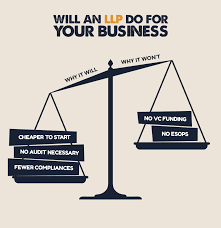
 For most of the organizations, its bloodline is its wealth and its funding power. The need for both depends on the situation and the essence of the business because it can either be short- or long-term. A lot also depends on your business structure as to whether you registered a private company or opted for LLP registration in India. For instance, a one-person company cannot raise funds via equity option. Therefore, it is only possible to raise funds for start-ups via the debt financing option.
Usually, startups can choose from three major types of financing viz; equity financing, debt financing, and grants. All are different in terms of nature, risk and returns expected by the investors. Startups usually prefer to avail the debt financing option since the payment to investor is in terms of interest and there is little or less involvement of investors while providing the finance. This makes debt financing one of the favourite options for the entrepreneurs.
Understanding Debt Finance
Most startups choose to opt for debt financing which involves borrowing funds from the external sources. Therefore, instances where the businesses borrow such funds from these sources of interest, it is called debt financing. This can be made easier to collect funds by financial institutions, banks, debentures, etc.
Debt financing happens when a business collects work capital or capital investments through the selling of debt instruments to individuals and/or institutional investors. The other way to collect money on the bond market is by selling shareholdings in a public offering, or equity financing. Remember, debt funding requires borrowing from a lender a fixed sum that is then paid with interest. Equity finance is the sale to an investor of a portion of the business, in exchange for cash.
From where can startup raise debt financing?
Loans & Advances
In these days, many startups prefer loans and advances as a means of debt rising. Long-term business needs are typically addressed through loans and loans support the company’s long-term needs. The bank and the financial institution may use a loan with or without protection in compliance with the terms and conditions. Banks and financial institutions have launched many schemes and initiatives to promote start-up financing these days. For short-term requirements, advances are necessary. This may be in the form of bank overdrawing or loan arrangements. This is useful for working capital needs.
Trade Credit
Trade loans require the purchase and subsequent payment of commodities or raw materials. For startups, it is a very popular and preferred style. It meets the need for capital every day. This is therefore cheaper than a bank loan. These credits must not be secured by any way. High-will companies will easily receive loans on the market.
Inter-business loans
One business may borrow money on the basis of its financial requirements from other companies. In these situations, the rules of the Companies Act must be complied with.
Debentures
Only businesses with private limited company registration allows companies to raise money via debenture. It is released for a certain time at a fixed interest rate. Since debenture investors are the company’s shareholders, they have no right to vote in the business. The company’s assets cover debentures.
Hire Purchase
It involves the purchasing of goods at intervals by entering into a contract of purchasing. Nonetheless, it is distinct from purchasing goods at instalments. Only capital goods are purchased by recruiting. In this situation, possession of the goods only changes when full payment is made to the seller. Nonetheless, the user is entitled to use it. If the buyer cannot pay the price, the seller can take over the goods.
Factoring
This is a circumstance in which every person (legal or non-legal) decides to pay a fee for all the companies’ receivables. The person who does this is regarded as a factor. There the company receives in advance a certain portion of its expected claims.
And the considerations will receive claims on behalf of the client when the due date comes. The company is not responsible for defaulting debts and this form of credit is typically only used to satisfy short-term obligations.
Points to be considered while debt financing
Cost of Debt Financing
- The interest or commission paid on the loan is regarded debt cost in debt financing. Once you take loans, you must measure the expense.
- The rate of return on capital must be measured. If the return rate is lower than the debt cost, then the project is not profitable.
- The debt-equity ratio must also be checked. A low debt-to – equity ratio is fine.
- The risk involved in loans must be measured.
Conclusion
But even if you are well prepared to launch a business with finances in head, there are no assurances that the investors you are courting can get the money you need. Yet solving challenges is part of entrepreneurship nbcsports com activate. You can be more relaxed when hitting obstacles in the road, understanding all the choices and what you can do to get the money you need. And sadly, that’s what you can count on.Debt funding is a big source of capital. It addresses both long-term and short-term needs. The benefit of debt funding is that nobody has to share equity. Therefore, the power stays with the promoters without any external intervention.