



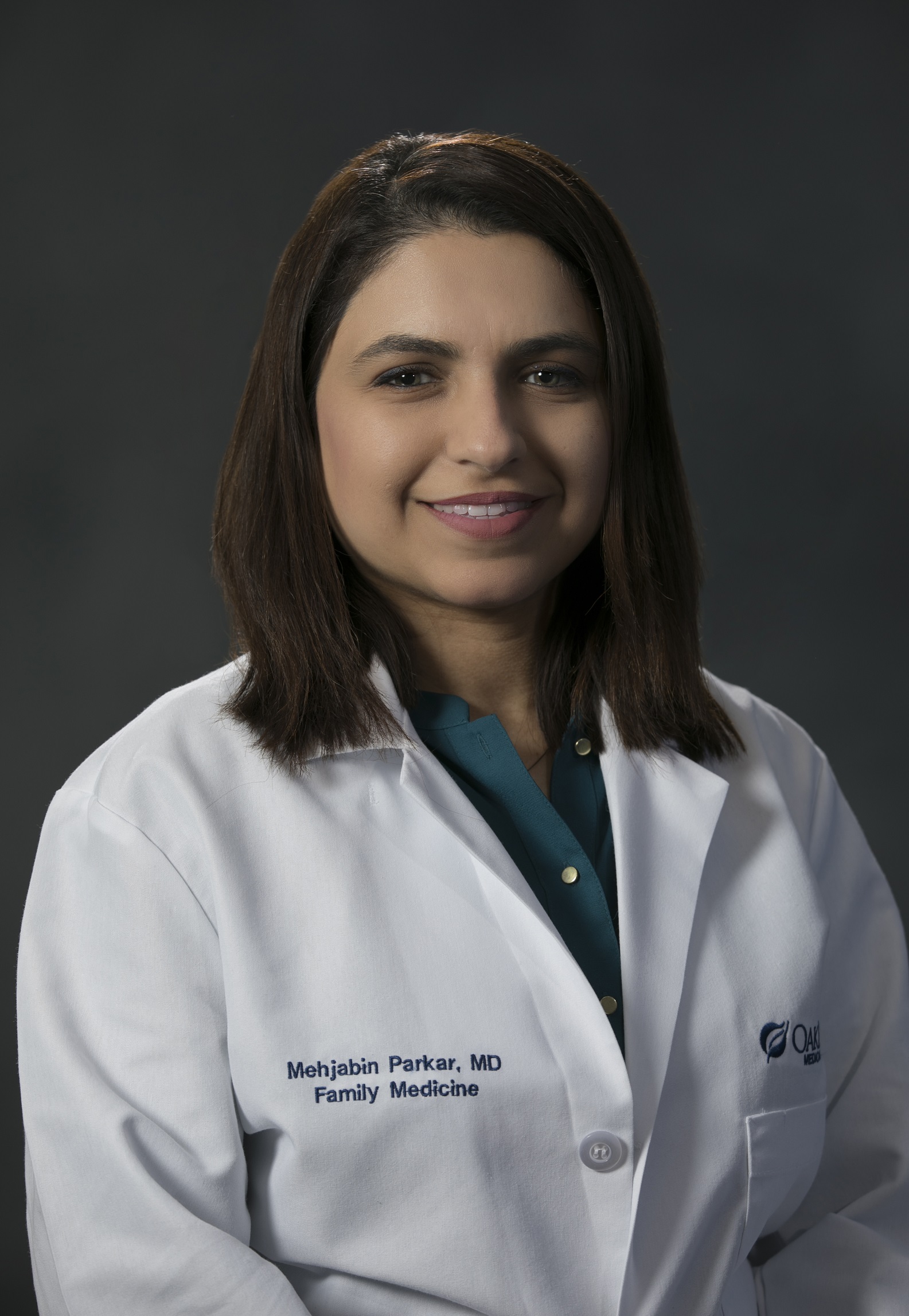
 By: Mehjabin Parkar, M.D.
If you’ve been keeping up with federal guidance on who’s at higher risk for complications from COVID-19, you know that people with diabetes are among the affected groups. People older than 60, along with those who have respiratory problems, high blood pressure, and heart disease are, too, notes the Centers for Disease Control and Prevention (CDC)
That said, if you have diabetes, the disease doesn’t appear to increase your risk of being infected, according to the American Diabetes Association (ADA). This is apparently true even though research, including a review published in the Indian Journal of Endocrinology and Metabolism, shows that the immune systems of people with persistent hyperglycemia function less well. With COVID-19 — the disease caused by the coronavirus — the real problem is that people with diabetes are more vulnerable to complications and getting seriously ill from the virus once they are infected, says the ADA
A small, preliminary study of 174 people in Wuhan, China, suggested that people with COVID-19 and diabetes but without other comorbidities (presence of two chronic diseases) were at a higher risk for severe pneumonia and inflammation that contributes to an accelerated progression of COVID-19 and a worse prognosis. Researchers published their findings in the March 2020 issue of Diabetes Metabolism Research and Reviews
We advise our patients to keep up hygiene at home, to keep washing their hands. For patients with diabetes, it is important to wash their hands thoroughly before administering insulin or injectable medications. They should also use soap and water to clean the areas on their body where they inject their medications. Do not share needles and dispose of needles safely
We want to ensure that those patients have all their medications — not only the medications to treat diabetes but the medications to treat hypoglycemia. I advise having extra glucagon or glucose tablets in case your blood sugar drops too low. People who take insulin should have backup insulin pens (or syringes and vials) if needed, and extra ketone strips.
The JDRF warns that some over-the-counter medications used to treat cold and flu symptoms may affect your blood sugar levels.
With gyms closed and many sports activities postponed, it can be a challenge to stay on the healthy regimen you established before the pandemic. It is noted that some patients become sedentary when they stay at home. If you are not under quarantine or otherwise advised to stay at home, go for a walk outside in the park (while maintaining social distancing guidelines). If you are homebound, pop in an exercise video or hit the Peloton. Also make sure you are stocking up on food that helps you consume carbohydrates in a healthy way. Also, continue to manage stress and prioritize sleep — two other essentials for managing your blood sugars.
In the end, the most important is following CDC guidelines for all. Those guidelines include:
- Clean your hands often with soap and hot water or sanitizer that is at least 60 percent alcohol.
- Avoid touching your eyes, nose, and mouth with unwashed hands.
- Avoid close contact and practice social distancing (staying at least 6 feet apart).
- Cover coughs and sneezes with a tissue (then clean your hands!).
- Clean and disinfect frequently touched surfaces daily, and dirty ones immediately.
- Stay home if you’re sick.
- Separate yourself from others if you have been diagnosed with COVID-19 or think you have it.
- Wear a face mask outdoors.
- Call ahead about medical attention unless you are having a medical emergency
###
Dr. Mehjabin Parkar is a “Board Certified Family Physician”,for the past 10 years, she has been practicing in Richmond, Texas. She is currently practicing at OakBend Medical Group at the Williams Way location. Parkar completed her residency in 2007 at UT Southwestern in Dallas, Texas with departmental distinction. She was awarded the fellowship by The American Academy of Family Physicians (AAFP) in 2017. She recently served as the family medicine medical director at a federally qualified health care center and is chair of Family practice at OakBend Medical Center in Richmond, Texas. Dr. Parkar cares for patient of all ages but specially enjoys treating chronic medical conditions like hypertension, diabetes, thyroid illness, psychiatric illness and HIV medicine. She places special emphasis on preventive health and treats various gynecological disorders in females. She also cares for urgent care patients. Originally from India, Parkar grew up in the Middle East and is fluent in Hindi and Urdu. Her faith and diverse background has helped her appreciate cultural sensitivity and to provide compassionate care for all patients. Her family practice specialty has helped her achieve a perfect balance with her professional and personal life. She is married and has 2 young children.






