Explore tree health hazards! Learn to identify and protect against various tree diseases and pests. Safeguard your arboreal assets effectively.
Trees are an important part of our ecosystem, providing numerous benefits such as improving air quality, reducing soil erosion and providing shade. Not to mention the aesthetic value they bring to our neighborhoods and parks.
However, just like any other living organism, trees are susceptible to diseases and pests that can damage or even kill them. As responsible tree owners, it’s important to be able to identify and address these issues to protect our arboreal assets.
Common Tree Diseases
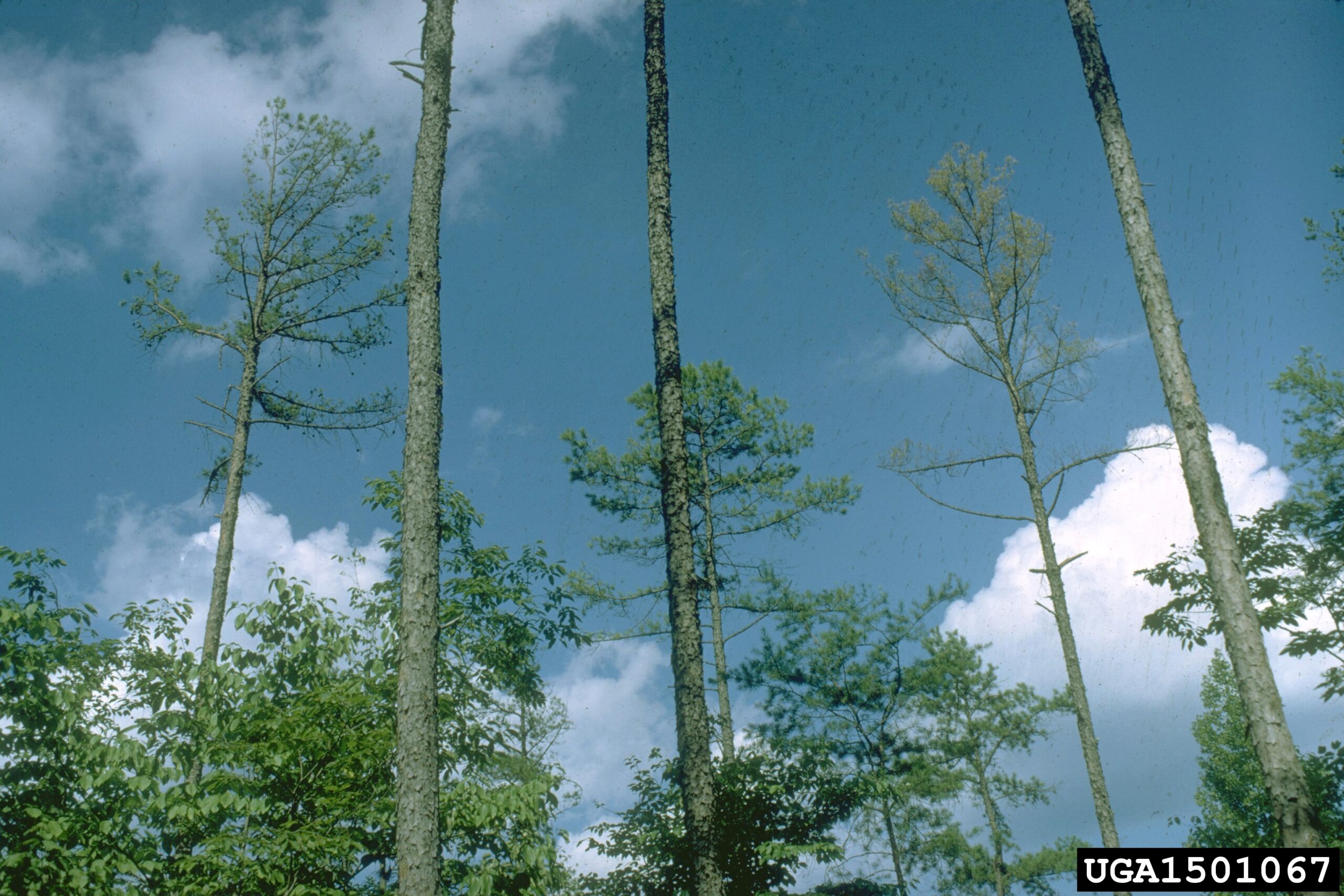 Trees can be affected by a variety of diseases caused by bacteria, viruses, fungi, and other pathogens. Some common tree diseases include:
- Anthracnose: This fungal disease affects a wide range of trees, causing leaf spots, defoliation, and cankers.
- Dutch Elm Disease: This deadly disease is caused by a fungus that blocks the tree’s water-conducting vessels, resulting in wilting and death.
- Oak Wilt: Another fungal disease that primarily affects oak trees, causing discoloration and wilting of leaves, and can lead to tree death.
- Fire Blight: This bacterial disease primarily affects fruit trees such as apples and pears, causing blackened branches and foliage that resembles a scorched appearance.
- Cedar Rust: A fungal disease that mainly affects cedar trees but can also infect apple and crabapple trees, causing yellow spots on leaves and premature leaf drop.
- Needle Cast: This fungal disease affects conifers, causing yellow or brown discoloration and premature shedding of needles.
Identifying Tree Diseases
The first step in addressing tree diseases is being able to identify them. Here are a few signs that can indicate a tree may be suffering from a disease:
- Discoloration: Look for any unusual discoloration in the tree’s leaves, branches, or bark. This can indicate a disease is present.
- Abnormal growth: If you notice any unusual growth patterns on your tree such as wilting, stunted growth, or dieback (death of branches), it could be a sign of a disease.
- Fungal structures: Some diseases produce visible signs such as fungal structures such as mushrooms or conks growing on the tree’s bark.
- Holes or cankers: Check for any holes or cankers (dead areas of bark) on the tree, which could be a sign of disease or pest infestation.
If you notice any of these signs, it’s important to act quickly to prevent the spread of the disease to other trees.
Common Tree Pests
In addition to diseases, trees can also be affected by various pests. Some common tree pests include:
- Emerald Ash Borer: One of the most destructive pests for ash trees, this beetle lays its eggs in the bark and causes damage by feeding on the inner bark.
- Japanese Beetles: These beetles feed on the leaves and fruits of a variety of trees, causing skeletonized foliage and reducing the tree’s ability to produce energy through photosynthesis.
- Gypsy Moth: Another invasive species that feeds on the leaves of a wide range of trees, causing severe defoliation and weakening the tree.
- Aphids: These small insects suck out sap from tree leaves, causing them to curl and distort. They can also transmit diseases to trees.
- Caterpillars: Various species of caterpillars can cause damage to trees by feeding on their leaves and buds.
Identifying Tree Pests
It’s important to regularly inspect your trees for any signs of pest infestation. Here are a few indicators that your tree may be affected by pests:
- Chewed or skeletonized leaves: If you notice leaves with irregular holes or completely eaten away, it could be a sign of pest damage.
- Webbing: Some pests, such as tent caterpillars, create webs on the branches of trees as they feed on the foliage.
- Sap oozing from bark: This could be a sign of insect activity, as some pests feed on the inner bark and cause damage to the tree’s vascular system.
- Visible insects: Check for any visible signs of insects such as caterpillars, beetles, or aphids on your tree.
Prevention and Treatment
Preventing and treating tree diseases and pests is essential in maintaining the health and longevity of our trees. Here are a few tips to keep your trees healthy and protected:
- Regularly inspect your trees: Regularly check your trees for any signs of disease or pest infestation. Catching the issue early on can prevent it from spreading to other trees.
- Prune infected branches: If you notice any diseased or infested branches, remove them promptly to prevent the spread of the disease or pests.
- Plant native trees: Native trees are more resistant to local diseases and pests, making them a better choice for your landscape.
- Practice good tree care: Proper watering, mulching, and fertilization can help keep your trees healthy and strong, making them less susceptible to diseases and pests.
- Consider professional treatment: In severe cases, it may be necessary to seek the help of a professional arborist in Murray for the proper diagnosis and treatment of tree diseases and pests.
By being proactive in identifying and addressing tree diseases and pests, we can protect our precious arboreal assets and ensure that they continue to provide us with all their amazing benefits. So let’s keep a watchful eye on our trees and give them the care they need to thrive.