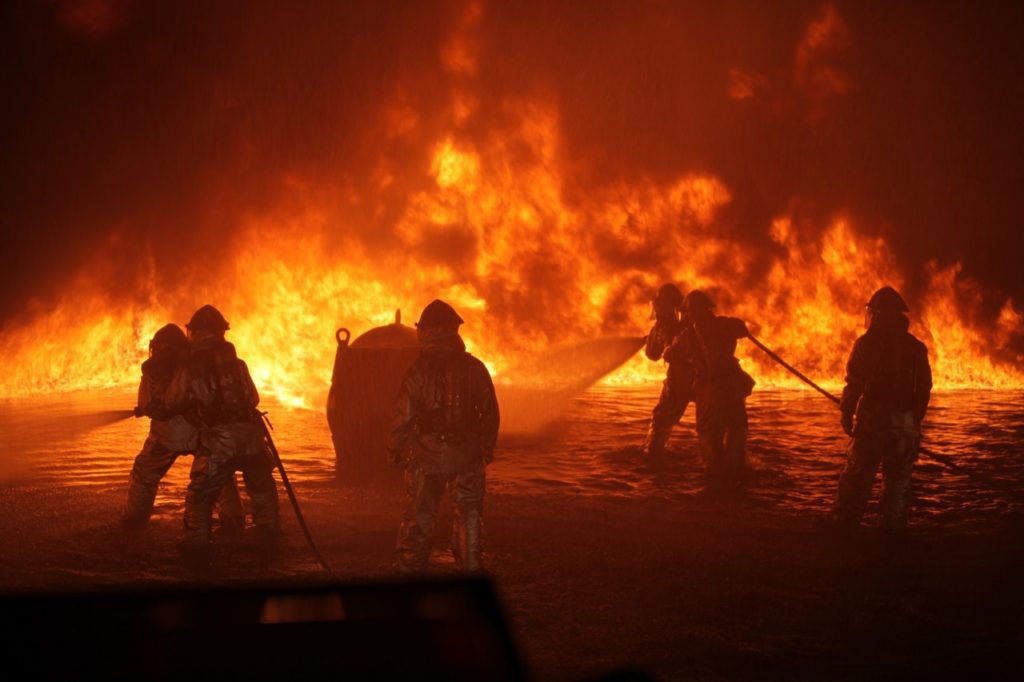
 Wildfires are uncontrolled fires in wild vegetation as well as rural areas. Fires can be caused by natural phenomena (for example, lightning) and human actions (for example, lighting a fire in a forest area in dry weather).
There are several types of fires, and each is dangerous. Ground fires originate in the soil and can smoke for a long time without being noticed, while surface fires spread through dry vegetation close to the ground. Crown fires are the most dangerous. They infect the crowns and foliage of trees and can spread at an extremely high rate.
In addition to negative consequences, forest fires can also have positive ones. So, they help maintain the ecosystem’s health by destroying insects and diseases. Fires also clear areas for young grasses and shrubs and provide sunlight to the ground. However, forest fires can destroy large areas, including entire cities, once out of control. Climate change makes the environment more vulnerable to this natural disaster and increases fires. That is why wildfire prevention plays a vital role in ensuring the safety of vulnerable regions.
Tips To Prevent Wildfires
Each of us can make a tangible contribution to protecting the environment from fires. Here are a few basic ways suitable for both work and leisure in the countryside or woodlands.
Check weather and drought conditions before any activity that could start a fire. It could be making a fire or burning rubbish. Try to avoid any dangerous activities in dry and windy weather.
Take precautions when lighting a fire. Do this in an open, level area, make sure that there are no flammable materials nearby, and do not leave the fire unattended. Before leaving, extinguish the fire completely and ensure that the campfire has cooled down.
Avoid driving on dry grass, as exhaust temperatures can reach critical temperatures and cause a fire. Also, keep an eye on the technical condition of the car. Otherwise, it may emit sparks along with exhaust gases. And don’t forget about safe driving — car accidents on rough terrain cause fires.
Keep your forest work area clear of flammable materials if using equipment that produces sparks, such as a chainsaw. The approximate radius of the cleared area should be 10-25 feet (3-7.6 meters).
Be careful with flammable products such as fuels, solvents, or degreasers. All this is necessary for any farm, so storing such substances in a specially designated place is critical. Also, regularly check the condition of the tanks for leaks and avoid exposing them to direct sunlight and high temperatures.
Use fireworks only within the law. Launching fireworks is a festive tradition in many countries. However, they often cause fires. Therefore, always check the rules for their use in your region. If there is an official ban, consider safer alternatives.
Satellite Monitoring
Today, satellite technology is crucial in monitoring forest fires and eliminating their consequences. Thus, satellites can be the first to detect fires in remote regions and send data within a few hours. Depending on the type, the satellite can be used for different types of fire monitoring. Orbiting satellites provide observations of the entire planet several times a day.
Geostationary Operational Environmental Satellites (GOES) provide more detailed information. They rotate in the equatorial plane for a 24-hour period, which allows them to stay at a fixed longitude. Therefore, they can transmit images of fires every 5-15 minutes. True, these images have a coarse resolution, unlike polar-orbiting satellites. Thanks to GOES, we can model the direction of smoke plumes to protect the population from the harmful particles they contain. We can also predict dangerous air quality for future fire seasons.
Also, satellite technologies are used to assess the damage to people and the environment from fire and analyze changes in the frequency and severity of fires. Satellites play an equally important role in preventive measures. They provide data on the global precipitation and soil moisture in different regions. Thanks to this, we can predict the threat of fires and take timely measures to reduce the danger of fires.
Thus, forest fires represent one of the most severe threats to the environment and humans. They can destroy the nature and infrastructure of entire regions. At the same time, it is often challenging to detect fires promptly, which is why their elimination causes many difficulties. Therefore, the prevention of wildfires requires an integrated approach. Satellite technologies help us deal with this scourge and effectively eliminate its consequences. They also provide data on the state of the environment, making it possible to identify vulnerable regions. At the same time, much directly depends on the individual actions of each of us. Farming safely, working in the forest, or just enjoying the outdoors significantly reduces the risk of fires.