Inland freshwater bodies containing living creatures are ponds or lakes. Both of these water bodies are similar in some ways but different in many ways. The depth and land area are the essential factors determining whether the water body is a pond or a lake.
Lakes are much deeper than the ponds and don’t allow sunlight to reach the bottom, thus prevents aquatic plants from growing. Whereas ponds are shallow, allow sunlight to reach the bottom, and have smaller waves than lakes. Another factor that differentiates the lake from the pond is the temperature of the water. Ponds’ water has a uniform temperature, and lakes’ water depends on depth.
But here in this article, we address the most important issue, ponds and lakes protection from pollution. If you have a pond or lake on your property, it becomes your responsibility to take every possible care of your water body.
Tips to Take Care of Lakes and Ponds
As rain makes your lawn look fresh and green, it also makes ponds and lakes’ surfaces green. Ponds and lakes sometimes are covered with green vegetation and prevent sunlight from reaching in water. It reduces the oxygen level in the water and harms aquatic life.
To clean the water body with chemicals is also harmful. Chemicals harm the ponds or lakes and penetrate the local groundwater and affect other still water bodies.
But, the question is how we can protect the lakes and ponds from pollution? Let us discuss…
1. Water Test
To take care of your pond or lake, you have to take responsibility and do some measurements. The first measurement is the water quality test. Because unhealthy water is harmful to not only water creatures but also to you. Ponds are meant to enjoy swimming and fishing. Suppose the water is unhealthy; it causes animals and humans illness. Excessive algae and plants grow because of bad water quality.
2. Rain Garden
Plant a rain garden on your property and save the still water from pollution. House cleaning agents, car washing chemicals from your driveway, and other harmful chemicals flow with rainwater. If you directly allow rainwater to go in ponds and lakes, it pollutes the water and harms water life. But, if you plant a rain garden, the plants will soak up the water, filter it, and make it reusable.
3. Stop Using chemicals
The use of chemical fertilizers has been increased and affecting the ponds and lakes. Instead of using chemicals, use natural fertilizers to grow grass in your lawns because the chemicals in your lawns mix with rainwater and harm the water bodies.
Also, it is necessary not to use chemicals like shampoo or soap when you are swimming. The chemicals in these products also make the water harmful for humans and fish.
4. Install Fountains
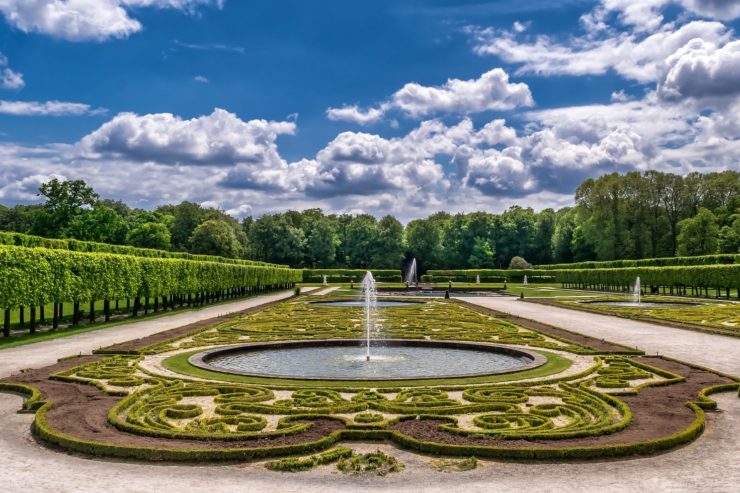
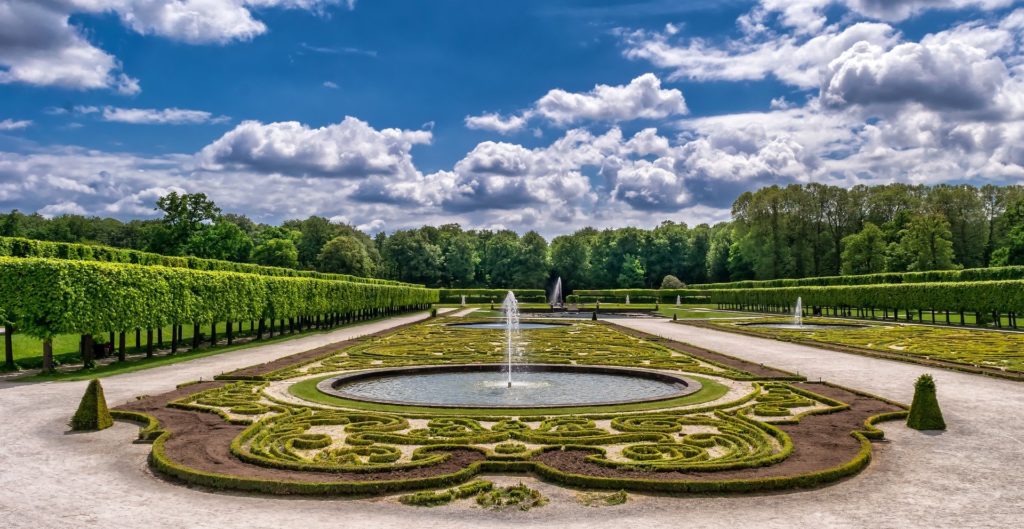
Small fountains in lakes and ponds keep water movement and prevent stagnation. Fountains play a vital role in stopping the green bodies from forming. And can make a huge difference for the water life. Small fountain with lights also adds beauty to your property.
5. Identify the Problem
Identifying the problem early is the most important thing to keep your pond clean and save from water pollution. So that the necessary steps can be taken at early stages before it causes serious issues to the pond’s health.
6. Manage Aquatic Plants
Most importantly, manage aquatic plants properly to get healthy water. Surveys have found that the 40% of ponds owners routinely attempt to clean and manage the aquatic plants. But the same surveys have shown that they often make critical mistakes that often harm the water. They usually think that any kind of aquatic plant or algae is bad for water health. But that’s not true; many plants are beneficial and even necessary for the water ecosystem.
7. Remove Lake Weeds and Muck
Lake weeds and muck suck, make the ponds and lake completely unsightly. You can’t enjoy swimming and fishing when there are weeds and muck in ponds or lakes. Not only it’s you dislike the weeds and muck, but also the aquatic life hates these. Now, the question is how to reduce the lake weeds and muck?
There are different tips and tricks you can use to get rid of it. Proper care of your pond is necessary, and if the weeds and muck are formed, you can use different cleaning equipment to clean your lake.
8. Keep Animals Away
To keep the pond and lake water clean, install an animal harness. Direct access of animals to water can also harm the water quality as animals carry pollutants with them. Moreover, their waste is also harmful to life underwater.
Conclusion
Healthy ponds and lakes are necessary to enjoy swimming and fishing. O keep your ponds and lake water healthy, you have to take the responsibility to clean it to enjoy it. Here we have discussed some of the tips to keep the ponds and lakes healthy and lovely.