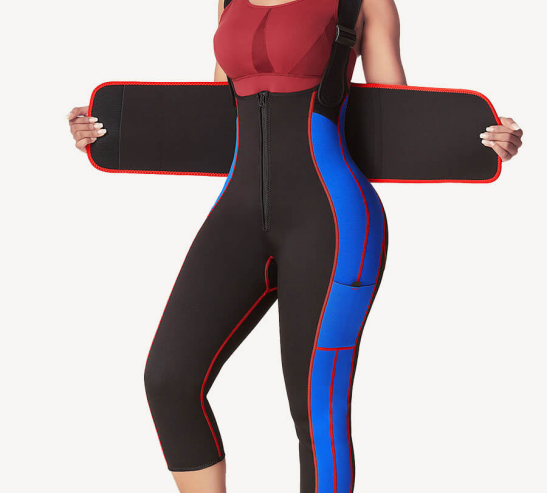
There are so many variants of waist trainers in the market – waist shapers, corsets, cinchers, etc. The corsets were used in the Victorian era for tight lacing around your waist and reshaping the cartilage. If you are not interested in tight lacing, there are many alternatives available, like the waist and thigh trainer .
These are some things you should take a look at while buying waist trainers.
-
Breathability

A waist trainer is supposed to compress your waist and tummy, but that doesn’t mean that it has to restrict your breathing. Confirm that the size you choose lets you breathe without any difficulty.
Try moving around and stretching in various positions while wearing your waist trainers. Make sure that breathing is easy in all of these positions. It is vital that the trainers enable proper breathing, as a low oxygen supply might lead to dizziness.
-
The comfort level
Overall comfort is another aspect that should be considered seriously while choosing a waist trainer. Check the material, and assure that it sits comfortably, and it feels friendly on your skin. It is also important to see that the fabric is lasting and breathable. As waist trainers are worn for a prolonged period, it is inevitable to guarantee that they are comfortable when used.
There are various types and styles of hooks in these shapers. Select the ones with hooks that are easier and sturdier to use. The support method in these trainers is known as boning. It is advisable to buy trainers with steel boning as they are firmer.

-
Bulging or rolling
You might be keen to begin your waist training process, but if you are encountering either bulging or rolling, you will have to change the size of your waist trainer.
Bulging is caused when the fit is too snug, or too loose. There is either too much pressure or no pressure at all on your waist. This won’t help you in any way to attain your objectives in waist training. Rolling is a further signal that shows that you’ve gotten a small size of trainers.
It may happen that even after measuring and trying the fits, that your trainer doesn’t fit you. Check the size well, and use the appropriate size for you.

-
Shrinking and resizing
Remember that as you workout, your waist will lose width, and your size will decrease eventually. As the inches drop, you will be required to buy a trainer of smaller size, which will be able to fit your newly toned waist.
There will be dozens of hooks that will enable you to compress, in whatever levels you need. If there are only a few set of hooks left, it shows that the waist trainer is large, and you will be needing a smaller one.
Conclusion
Opting for the right size and fit will accelerate your workout process. Follow the guidelines and you can acquire the shape you desire effectively, and you can check out plus size waist trainer in a wide selection of types and colors here!