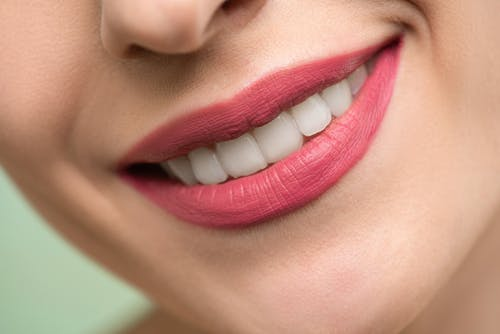
No one would say they don’t envy those big white smiles used by TV models and presenters. The extra white teeth draw more attention, and now everyone wants some. We were born white there; I mean the teeth –most of us at least; but stains from different foods have done a good staining work over the years. Also, long use of coffee, smoking, soda, and wine has been known to contribute to the browning effect. . However, it is still possible to get back that teeth’s natural whiteness with teeth whitening.
Several teeth whitening products and solutions have taken their lodge in the market, and you can just take some for yourself. But there are some things you must know; teeth whitening is more complicated than popular belief. To get the desired result, it should be performed by a dental professional such as a dentist, dental hygienist, or dental therapist.
To cut the costs of involving the professional, you can get a DIY home teeth whitening kit, but before you go ahead with the whitening process, here are some things you must know:
Ensure You Use Custom Whitening Trays
You will need to use custom whitening trays to ensure that the whitening agent is applied uniformly to every tooth. Make sure they are part of your teeth kits and avoid the use of other applicators like the boil & bite trays or UV lights. They don’t apply the whitening agent evenly creating a color mismatch.
Also, though laser and UV treatments speed up the whitening process by the gel, they don’t give a permanent effect and can be dangerous on sensitive teeth.
The Whitening Gel Will Be Absorbed By Teeth Pores
The teeth have pores. It is through these pores that the particles from the food you consume penetrate the walls of the teeth giving it its brown look. As the stains build up in the teeth, the teeth gradually turn dark.
The whitening gel, when applied to your teeth, is absorbed into these pores pushing out the stains in the process. For this reason, making a good choice of gel is essential for teeth health.
Follow Instructions
To follow a safer path, take instructions from a dental practitioner so that there will be no risk to your teeth. There are numerous risks involved in teeth whitening. They include an increase in teeth sensitivity, irritation to the gums, and chemical burns due to improperly fitted mouth guards.
Be Prepared For An Increased Teeth Sensitivity After Whitening
It’s normal to experience more sensitivity with your teeth after a teeth whitening procedure. It should last for a day and a half most times due to the dehydration of the tooth.
To reduce the discomfort associated with the sensitivity, use a post-whitening fluoride treatment as recommended by your dental practitioner
Allow A Gradual Stain Removal Process
Teeth whitening doesn’t happen in a day. The process can span months in some cases. The whitening agent will need to penetrate the tooth and remove the stains, and this is a gradual process. The speed of penetration is directly proportional to stain proportion.
If you’re using a whitening toothpaste, it removes the stains on the surface of your teeth using abrasives that polish the teeth or through special chemicals that break down the stains. You’ll have to use the toothpaste twice daily and between two to six weeks. You should notice some whitening after then.
Apply The Teeth Whitening Procedure Before Bedtime
Due to the effect of the whitening gel, the pores in your teeth are more open than usual making it much easier for that unwanted dirt to creep in again. To prevent this, it’s better to perform whitening just before you go to bed. This way your teeth will not be exposed to any substances that could stain them.

Also, rehydrating and remineralizing of the teeth happens faster and more naturally while you are in sleep. You’ll wake the next day taking notice of the bedtime changes.
The Teeth Whitening Won’t Change Your Teeth’s Natural Color
You apply teeth whitening procedures to push out stains that have taken refuge in your teeth over time, and restore the natural color of your teeth. It will not make the teeth whiter than their natural make. The whitening agent won’t work on crowns and veneers nor will it work on dentures and fillings.
While it is everyone’s wish to own some white-looking set of molars and canines, the patience and pain involved is not everyone’s thing. You have to make up your mind you’re ready. You shouldn’t give up along the way.