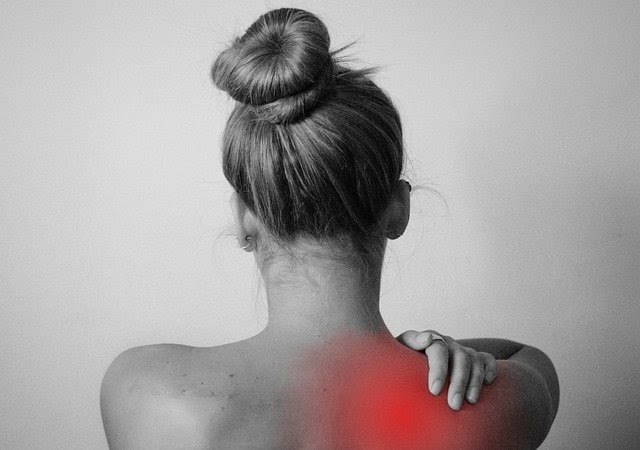
Many of us have spent the better part of the last year burrowed behind a screen. The computer or the TV – or more likely both – you’ve probably decided that the ergonomics of your sofa or desk chair were not made for the level of action they’ve been getting. With RMTs and local gyms out of commission, there are still plenty of at-home options.

In a world of hundreds of options, it’s important to know what to look for that can bring you the best results while keeping you safe. Everybody is different, and every body is different, so perhaps start off with a mind and body check-in, and then check out these options!
The Foam Roller
Locked indoors all the time, chances are the kid inside of you has come out! But, rolling around on the floor, pretending to be a piggie in a blanket isn’t so fun when your back seizes. If you can’t be the piggie, be the blanket. Enter the foam roller. Using the roller can help to loosen the muscle tissue and fascia, and can also help with long-term healing as the stimulation promotes circulation and tissue repair. And you can achieve different effects by turning the roller from a 90° angle to align with your spine.
Myofascial Release Tools
Ever been to an RMT and been asked, do you have a tennis ball and an extra sock lying around at home? You drop a floor hockey ball into an old sock, hoping the hole doesn’t suddenly expand, and sling it over your shoulder and search for that sweet spot while trying to maintain a symbiotic relationship between gravity and pressure. Tried it, hated it. Instead, try a suction cup myofascial release tool. There are a few different versions, but they all use the same premise of the ball without the added core workout.

Inversion Tables
If you enjoy physics or generally believe in the science of gravity, this next one may interest you. By flipping your body upside down (or partially – your choice), the best inversion tables use gravity to decompress the vertebrae and elongate the spinal column, bringing sweet, sweet relief similar to that done by your chiropractor, and right at home. It’s a proven method, and it doesn’t need to be the “As seen on TV” your grandmother got sucked into – cue involuntary flashback to upside down 90’s infomercials. Since your melon will be toward the earth and toes pointed to the sky, do your homework beforehand and find a model that is safe and will suit your needs best.
*Pro-tip, there are vibrating massage models!!!
Lower Back Stretchers
If you’ve found yourself with your own quarantine15 and are working on that beach bod, this perhaps isn’t the one because it won’t force engagement of your core. However, for those of us who live with mobility challenges, lower back stretchers are a great option as they provide support for your stretch while providing the same benefits. Laying with it under the lower back allows the spine to decompress and stretch, and increases blood flow which can help with long-term healing.
Acupressure Matts
This next one appeals to the child in you as well. It’s like the magic man who paraded across flaming hot coals! Actually, the premise behind it is from the Indian yogic practice of laying across a bed of nails. Acupressure mats have become trendy since the west found out about them, but they’ve brought relief to thousands, maybe millions of backs before. The tiny spikes are acupressure nodes that stimulate the nerves, encouraging homeostasis and the release of endorphins – the happy hormones! And while the spikes aren’t generally made of nails, they can take a bit of getting used to and it may be a few days before you start to notice the effects.
What has all this taught us? That during this past year we’ve either been curled up in the crook of the sofa or laying on the floor trying to fix the dowagers hump that ‘suddenly’ appeared. Right now, for example, you’ve been sitting here, staring at this screen for at least 10 minutes. Stop, dif yourself out of the corner of the couch. Lay on your back, stretch, and pay attention to how you feel. Take note of pain and pressure in your neck, your shoulders, your back, your hips, your calves. Take a moment to focus on your breath. When you come back, you’ll be halfway there deciding the equipment that’ll suit not only your budget but your needs. And believe us, your back will thank you!