Microwaves are one of the best inventions to come out of the late 20th century. Their invention led to a major improvement in the kitchen that ended up saving families hundreds of hours a year. Whether it’s reheating leftovers or boiling water in a minute or two, microwaves totally changed what we could do in the kitchen. Wow, what a convenient innovation.
Now, in the 21st century, we still rely on microwaves to the extent that they are fully integrated into almost everyone’s life. The prevalence of the device and its safety means that people may be extremely comfortable with the device and may not give it the respect it deserves. This can spell out disaster.
As a reminder, we’ve compiled a list of 5 things that you should absolutely NOT put in your microwave.
Metals
The most well-known example of a microwave’s incompatibility with certain materials is aluminum foil. If you put aluminum foil into a microwave and turn it on, it will spark, ignite, and perhaps even become ablaze. Aluminum foil is absolutely prohibited in a microwave. This hazardous result occurs because foil conducts so much electromagnetic energy that the foil can’t handle it and starts to heat up and spark.
However, almost all metals will cause problems in a microwave. Depending on the metal’s constituents and size, it could have a variety of different effects. Those effects can range from sparking to explosions. Therefore, unless you’re absolutely certain that the material is microwave-safe, it’s best to not put it in there.
Travel Mugs
Everyone has a travel mug it seems and we use them for everything. Many people may be unpleasantly surprised to find out that their favorite mug isn’t microwave-safe when it bursts into flames or melts into puddy before your very eyes, all while spilling your most beloved beverage all over your microwave.
It might seem counterintuitive but not all travel mugs are designed for use in a microwave. Make sure your mugs are microwave oven-safe coffee mugs if you frequently heat up drinks in the microwave oven. Another option is to heat up your drinks in a glass before pouring them into your favorite vessel.
Paper Products
Paper products may seem innocuous and suitable for the microwave, and sometimes they are. We often use specially designed microwave-safe paper products without realizing that they created for that sole purpose. The wide-spread prevalence of such items as paper crisping sleeves and popcorn bags gives the false impression that it’s safe to use paper products in the microwave.
But it’s not. Normal paper products will blacken or burst into flames if left in the microwave too long. So be careful to not microwave fast-food items while they’re still in the bag unless you want a nice smokey paper bag flavor infused into your food.
Peppers
Peppers are normal food and in many situations, peppers can safely be heated in the microwave oven. However, users would be well-advised to consider the variables and heat hot peppers with caution in the microwave.
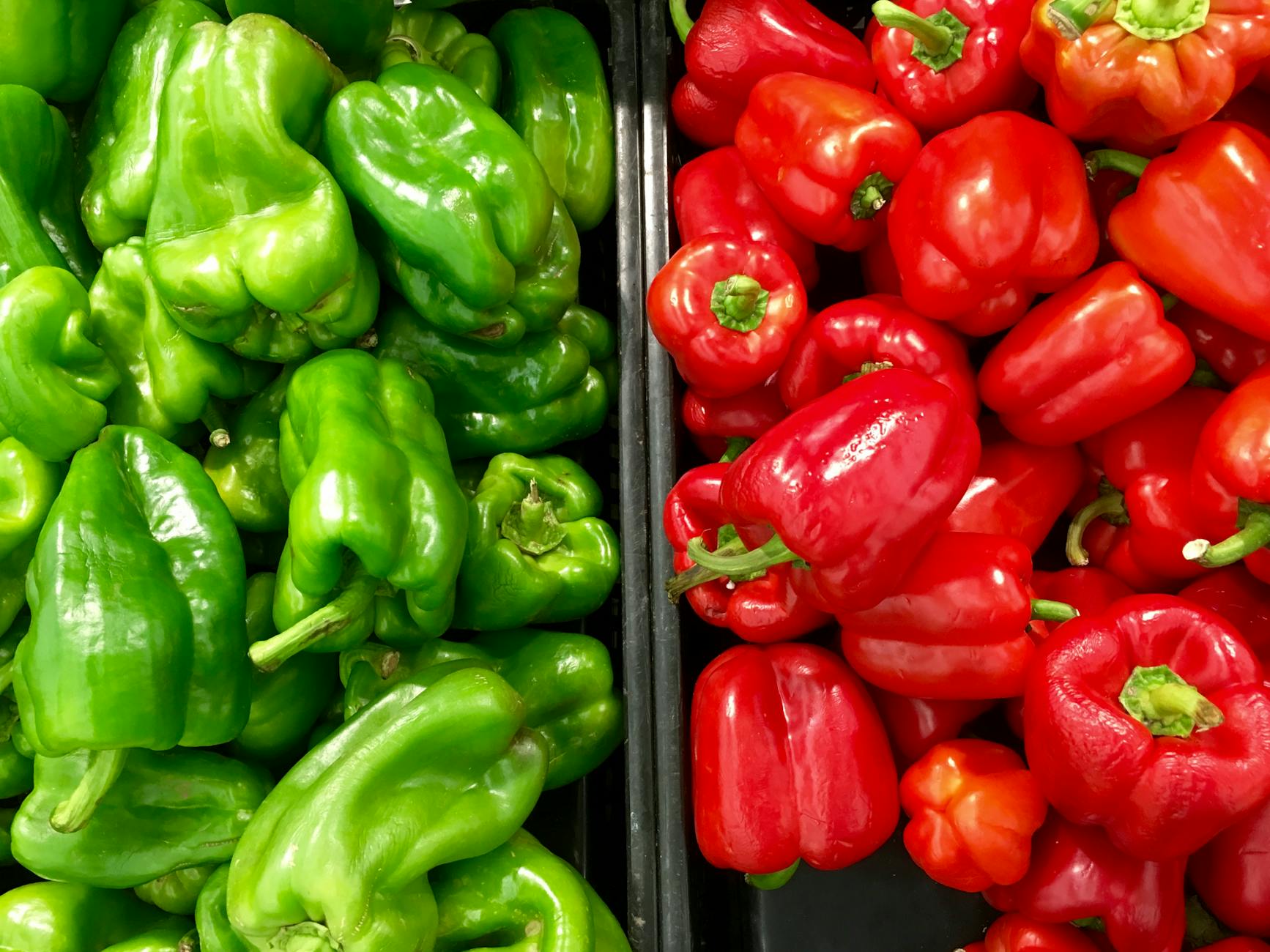
If you place several fresh or dried peppers in the microwave for a little while, they will begin to release their capsaicin. This capsaicin is the chemical element that creates the sensation of spicy. Different pepper varieties have different quantities of capsaicin and a high volume of it is what makes a pepper extremely hot and unbearable.
Unbeknownst to the user, when the door has opened after reheating some hot peppers a blast of capsaicin-rich air will fill the room and send the occupants running for the door. Congratulations, you just pepper-sprayed your family and friends. Of course, this will only happen with a relatively large number of unsubmerged peppers most of the time. Regardless, it’s good to be cautious and understand the potential so that it can be avoided.
Many plastics are designed to use in the microwave safely. However, some aren’t designed for that use. It’s hard to know which plastics can be used and which are not appropriate. It should say whether or not it can be used on the bottom of the container. Most high-quality reusable food containers are microwave safe. But some cheaper ones may melt and burn. Overheating of the contents can also make even high-quality containers warp and lose their shape.
Generally speaking, styrofoam should never be microwaved. It will immediately shrink away into a diminutive parody of its former self. Or it might rapidly ignite and turn into a flaming pile of jelly that you’ll be scraping out of the oven later on.
Not all of the common materials we use every day are microwavable. Sometimes the result of heating the wrong object has no major effects, other times it can spell disaster. Often the result is a huge mess. Microwaves are here to provide convenience for our lives. And most of the time they do, but misuse can turn into a big problem that eats up a lot of your time or even causes everyone to evacuate the home in a hurry.