


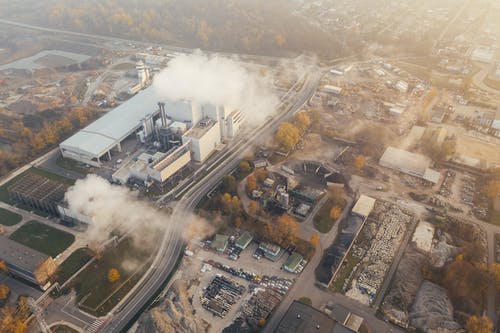
On January 26, 2021, a deadly liquid nitrogen leak at a poultry processing facility in Gainesville, GA resulted in the death of six workers and sent another 11 workers to the hospital, three of which were in critical condition. The incident took place at the Foundation Food Group processing plant and about 130 workers were evacuated from the building during the chaos. It appears the incident was caused by a liquid nitrogen leak from one of their liquid nitrogen lines in the facility, according to Katherine Lemos, the U.S. Chemical Safety and Hazard Investigation Board’s chairman and CEO.
Liquid nitrogen is an odorless, colorless, and very cold gas (cryogenic gas) that is commonly used in the food processing industry as part of their refrigeration process to flash-freeze products. In this case, the gas was being used to flash-freeze chicken products. Exposure to liquid nitrogen, even for a short period of time, can rapidly freeze skin tissue and eye fluid, result in cold burns, frostbite, and cause permanent eye damage. Unconsciousness and asphyxiation can occur if the gas vaporizes and the oxygen percentage in the air falls below 19.5%.
While the investigation is still ongoing, it appears that this tragic incident at the Foundation Food Group processing plant could have been prevented if certain measures had been in place. For example, since the gas is hard to detect, facilities should always have monitoring alarms in place that go off when oxygen levels are too low. Additionally, the National Institute of Health has established a protocol for use and Maintenance of oxygen monitoring devices that provides guidance on oxygen monitoring devices, where they should be placed, and how they should be used. While not law or part of OSHA requirements, this NIH protocol can help save lives and may have been able to prevent such a tragedy from occurring.
Furthermore, these bulk cryogenic gas systems should be subject to a national annual inspection requirement like those required in the medical gases industry. Medical gas pipeline inspections are required annually by the NFPA (National Fire Protection Association) for any facility with an installed medical gas system. The inspectors that perform this work conduct inspections at critical failure points within the gas pipeline system, such as oxygen manifold connections, that could result in leaks and patient deaths. The NFPA 99 code also requires the inspector to provide a formal report with their findings which the facility must always have on file. At the moment, there is no national requirement for an annual inspection process under the NFPA 55 code which covers bulk cryogenic gas systems like the one used at the processing plant in Gainesville, GA. However, it is easy to see that having a national regulation for annual inspections in place can help save lives and prevent catastrophic system failures like this from occurring.
It will be interesting to see what the investigation uncovers as the exact cause of the gas leak and whether or not it could have been prevented. While the full investigation report may take several years, according to Lemos, it is clear that there should be some more digging into current regulations and what can be done moving forward to keep an incident like this from happening again.






