


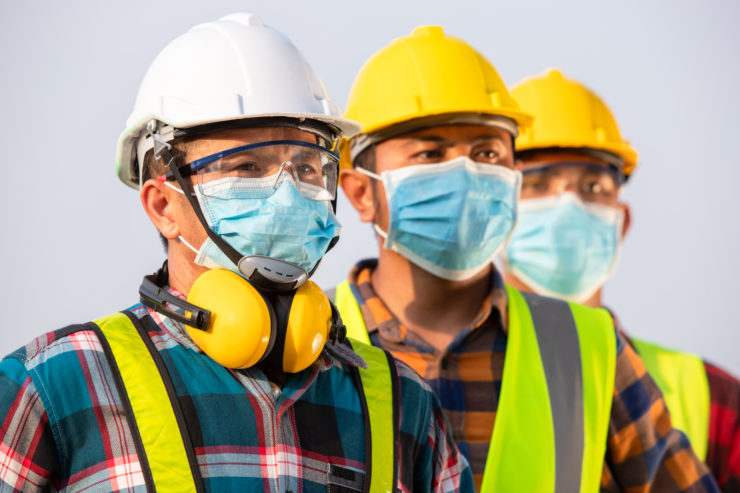
As construction crews get back to work, there will be many new opportunities for those who are experienced and unemployed. However, before you get excited about the prospect of returning to work, it will be helpful to learn more about how construction workers are protecting themselves and each other from COVID-19. These suggestions can reduce the chances of contracting the coronavirus.
Keep Meetings Short
Team meetings represent the biggest concern in terms of the likelihood of transmitting COVID-19 among workers on your construction crew [source]. This is because meetings are typically held in small rooms with everyone gathered closely together around a conference table. When this situation is unavoidable, everything possible should be done to keep those meetings brief.
The better option is to conduct meetings remotely through a video conference call, which will eliminate the need to bring everyone together in the same room. Perhaps, you could ask your manager to conduct the meeting before everyone leaves home in the morning. Once the meeting is over, they can drive directly to their job site.
Be Diligent About Housekeeping
Hand sanitizer should be made available in multiple locations throughout each job site, and workers should be encouraged to sanitize their hands frequently throughout the day. Additionally, surfaces that are commonly touched by multiple members of the construction crew should be sanitized on a regular basis.
Workers should be trained to use disinfectant wipes on any equipment or tools that they use to reduce the chances of infection through shared contact. Sanitation should also be done on ladders, doorknobs, and portable toilets to increase protection against infection [source]. It may be helpful to assign a sanitation team to each job site to ensure these needs are being consistently met.
Don’t Let Sick Workers on the Site
If you’re injured on a job site, it’s your responsibility to seek treatment and obtain compensation for your damages (Source: https://www.morellilaw.com/practice-areas/construction-accidents/). However, if you feel ill, you’re faced with an entirely different situation. In the past, you might have considered the construction company’s attendance policy and would have gone to work regardless of how you felt. That’s no longer a possibility.
If you feel at all ill, you should notify your supervisor and stay home from work. Similarly, everyone on the construction crew should be regularly reminded of the importance of staying home when they feel unwell. Showing up on the job site can result in spreading an infection to other workers even when you’re only there for a few minutes.
Always Wear Face Coverings
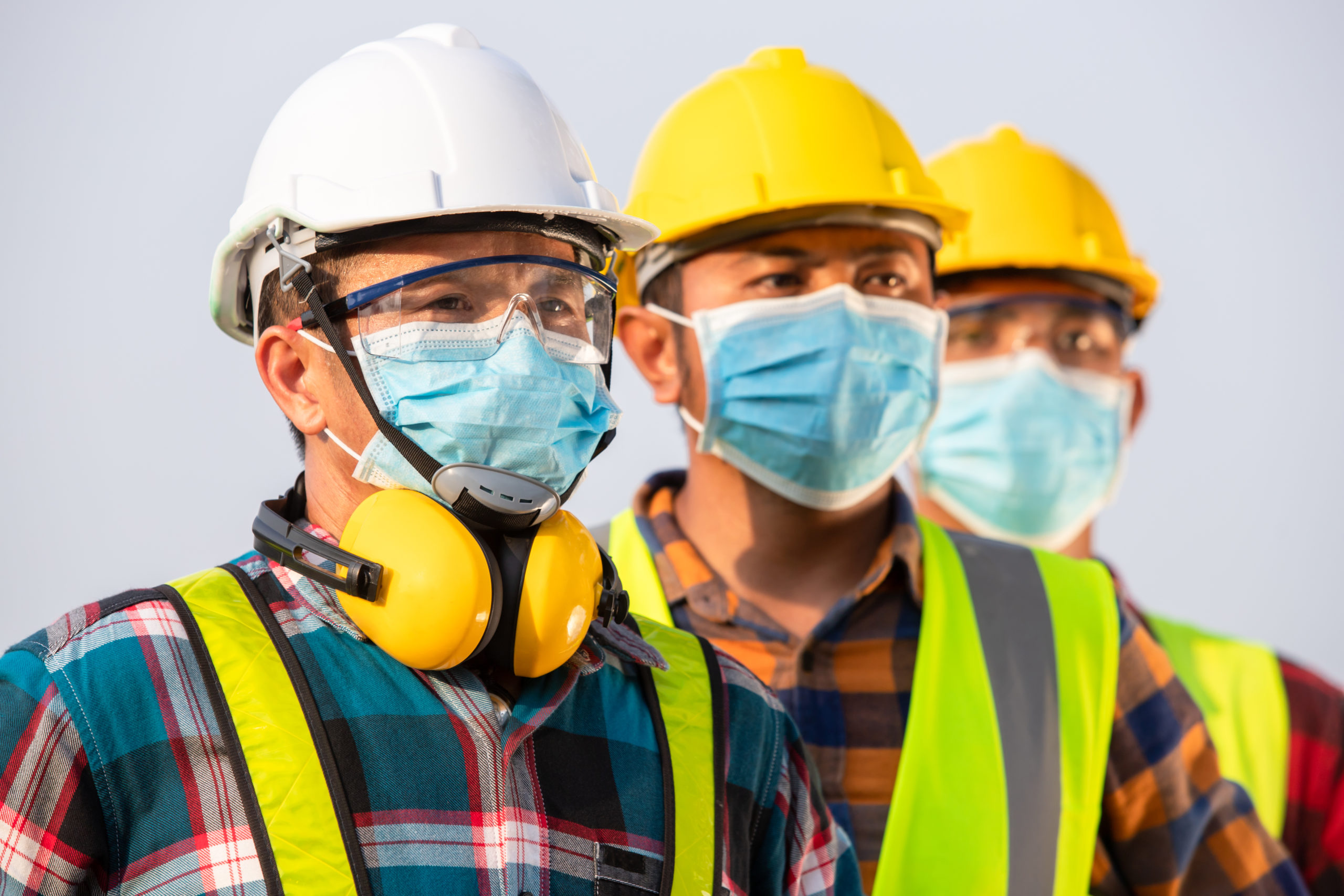
As a construction worker, you’re used to wearing personal protective equipment, and wearing a face covering is no different. It can help you protect yourself from breathing in the dust and debris that’s common on a construction site, while it will also protect others if your breath carries the COVID-19 virus.
Initially, wearing the mask as you work may feel uncomfortable, but the protection it provides is well worth the minimal discomfort. After a while, you won’t even notice that you’re wearing it and it will help keep everyone on the job site safer from infection. If your job requires you to wear a different type of face covering, such as a respirator, that is the PPE you should wear in place of a cloth face covering. As a good rule of thumb, always go for the option that offers you a higher level of protection.
Whether you’re a site manager or just one of many workers on a construction crew, your actions will affect the safety of the crew and yourself. Taking action to protect yourself will help you stay safe as you get back to work. This, in turn, will ensure you’re doing everything you can to prevent another shutdown that could otherwise affect your employment status.






