Changing our fossil-fuel dependent society to a greener one is a weary task, and quite expensive at that. With the atmosphere slowly warming up and the oceans becoming more acidic than before it is one of humankind’s top priorities to change its fuel supply, if not for the ecosystem than for ourselves.
Even when considering all the troubles of changing a traditional fuel supply it is a very expensive effort, gas burner, wood, coal… And too many opting for a cleaner alternative seems like too big of a bite.
Luckily, there are ways even for individuals to switch to clean energy and still save some money.
What Does It Mean To Transition To Clean Energy
Clean energy, sometimes referred to as green energy, is an energy source that doesn’t pollute the environment. Also known as zero-emission, it means that when harvesting a certain natural resource it can create energy (heat or electricity) without emitting CO2.
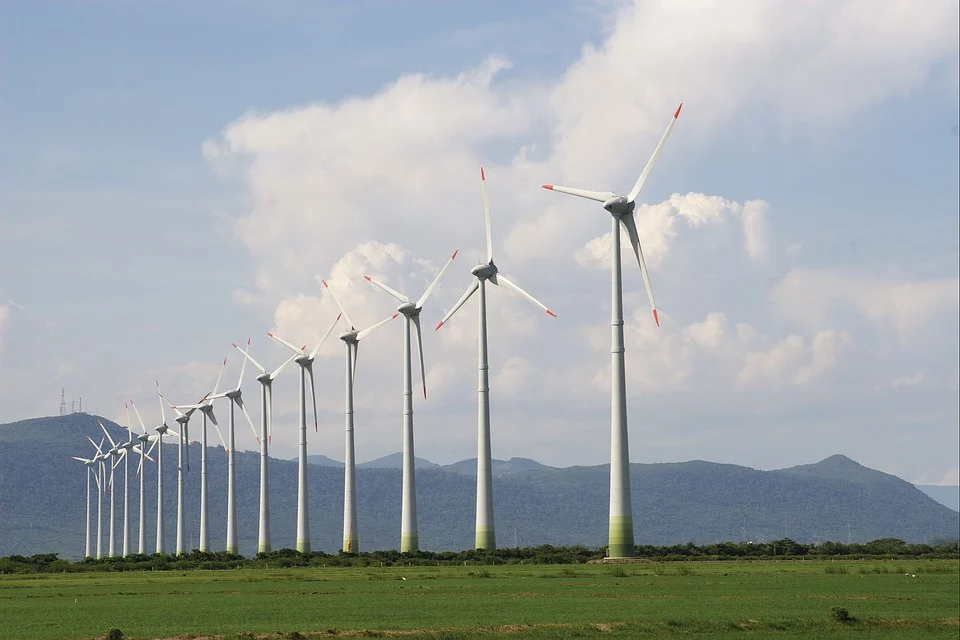
Wind, running water, solar rays, and even nuclear energy falls under this category.
Apart from sunbathing or drying food in the open, humanity has mostly been using fossil fuels to power up its civilization and that has been accelerated since the Industrial revolution so much that the emissions caused by burning coal or oil have started to change the atmosphere for the worse. In order to combat these international associations, led by competent scientists and powered by individual governments, have developed strategies to transition to clean energy sources.
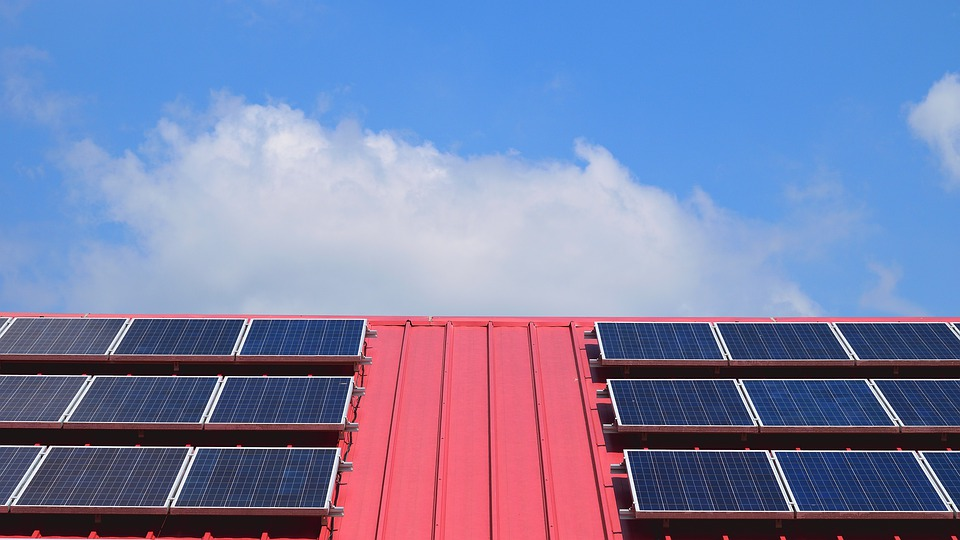
You may ask yourself what can you do on an individual level if this project requires such a large shift in world economics? Start harvesting your own energy, that’s what! Putting up solar panels, wind turbines, or using modern appliances are all steps towards a more sustainable future.
If you live in a rather sunny country like Australia solar panels are a great way to supplement your house’s energy consumption as they create electricity when exposed to the Sun. After several decades of development, they got cheaper and cheaper and today can even be mounted on your roof without a need for a serviceman and the cost can be as little as $1 per watt.
Does It Make A Difference?
Putting aside environmental friendliness, can switching to clean energy actually save money?
The best answer can be obtained from public agencies specialized in this area that has compared data from thousands of households. So far there are numerous examples of regulations halting investment into clean energy, yet those that do manage are able to even turn a profit. In Germany, for example, you can sell a surplus of your homemade electricity into the system, sometimes even covering a big part of your other bills.
When searching for guidelines the internet is a goldmine like no other. One resource is this utility comparison tool that lets you compare different suppliers of energy and see what is the best deal you can get. Considering how developed countries can have a fairly large number of suppliers and distributors it is easy to end up with one that is costing you more $ per kW or is maybe using fossil fuels instead of renewable resources.
Of course, even in underdeveloped countries, this type of energy source is of use. Regions without nearby fossil fuels or without a developed distributive network can much more easily use these resources considering how technology has become available. A remote home is better off having its own wind turbine and solar-powered water heater than a pipeline that every so often has low pressure. This report shows how even in developed nations a similar solution can be cost-effective and reliable, where it is nonsensical to have a complete energy infrastructure spread out for a small number of consumers.
Considering the rising prices of oil and how coal mines are shutting down throughout the world it is only a natural conclusion that investing in a clean energy source is the way to go.
As green technology becomes more durable and long-lasting it will only be a matter of local conditions whether you will invest and capitalize on solar panels, wind turbines, ground-to-air heat pumps, etc.
Since the Paris Agreement, it is clear the world is slowly, yet steadily, going towards all-sustainable energy sources. Though many of those who profit from oil or coal are fighting against it, it comes down to the individual consumer what energy source they want. If you have the resources and opportunity to go green – go for it! Though fossil fuels may dry out one day, the Sun will never stop shining and the wind will never stop blowing.