From nuclear power projects to constructing bridges, the demand for PCE is continuously on the rise. However, as there are different types of this product available in the market, you might find a buyer’s guide helpful.
So What Are the Basics of PCE?
Polycarboxylate superplasticizer (PCE) is a high-range additive that has a superior water reduction rate. It is a kind of surfactant that contains carboxyl grafted copolymer in the molecules. This unique molecular structure of PCE makes it an effective agent even when used in low dosage.
The common constituents of PCE include maleic acid, acrylic acid, sodium hydroxide, ethylene glycol, hydrogen peroxide, water, and biocides.
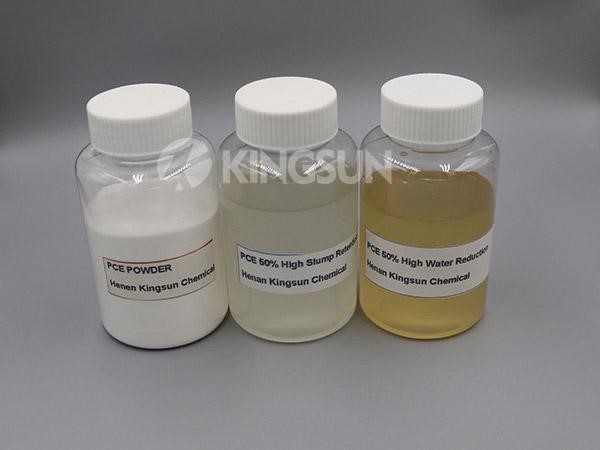
PCE is known for its:
- low intrinsic viscosity
- high chemical stability
- early strength growth
- no retardation
- excellent durability
- cement paste fluidity
- less slump loss
This cement dispersing element is primarily applied to create super-strength concrete and are widely used in several industries, including the heavy engineering sectors—building tunnels, water conservancies, highways, high rise buildings, or any other large infrastructures.
Things to Remember When Buying PCE
The Rate of Water Reduction
In general, the standard water reduction rate of PCE is considered 40% with as little as 0.2% – 0.3% dosages. But some manufacturers claim that their product can reach up to 45% of the water reduction rate. Hence, you can cross-check that before buying.
Better Slump Loss Control
PCE is supposed to meet your level of satisfaction at keeping the slump. So while buying a product of a particular brand, see how competent it is at slump loss controlling. Ideally, when you are using it with ready-mix solutions, the slump loss should be controlled by 15%. This is crucial when you travel a long distance to transport commercial concrete or transfer liquid concrete by pumping.
Usage
Polycarboxylate superplasticizer (PCE) can be found in more than one form, powders, and liquids, having further classifications. Interestingly, each form has a lot in common but is used differently:
R-209 can be availed in powder, and it is specifically created for cement grouting, gypsum, mortar, and other fields. This type of PCE enhances fluidity and solidifies cement by resisting cracks. This one is an expert at grouting floors and ceramics, repairing mortars, and preventing shrinks. R-209 is easy to dilute in water or can be used directly as well.
SP-409 is a powder variant that serves as an onsite substance to blend with concrete and ready-mix. For its greater slump retention capabilities, SP-409 is used in remote plants.
PCE-40, which is a light yellowish liquid, contains a minimum of 40% solid content. PCE-50 appears colorless, but its percentage of solid content exceeds 50. While they differ in terms of density, they exhibit impressive workability in concrete even when the water-cement ratio is 0.23.
Compatibility
You never know which cement brand your project officials will be using. In fact, they can purchase multiple brands at a time. Therefore, before buying PCE, confirm whether it is compatible with a vast range of cement.
Budget-Friendly
It is not always the PCE cost that should matter but the cost of your overall project. Cement is expensive, and spending more on it can lower your profit margins. Therefore, select a PCE manufacturing brand that allows more fly ash and slag instead of cement.
Non-Flammable
You can never compromise on safety. So before making your buying decision, do check if the product is:
- resistant to fire
- non-explosive
- environment friendly and duly certified
The infrastructural divergence aligned with the developing economy finds Polycarboxylate superplasticizer (PCE) as one of its indispensable components, and the deterioration of cement quality is the key reason here. But with this buying guide at your disposal, you will surely make a wise and profitable choice.