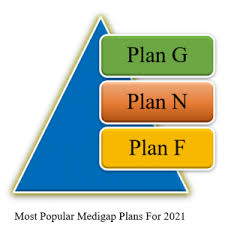
If you are planning to make changes to your Medicare plan for 2021, consider the following:
1. Know which changes can be made
Current Medicare beneficiaries are able to make these changes during open enrollment:
Switch to Original Medicare (Parts A and B) from Medicare Part C
Switch from Medicare Part C to Original Medicare
Change Medicare Part C plans, which are called Medicare Advantage plans
Enroll in a Medicare prescription plan that is needed when on Original Medicare
Change to a different Medicare Part D plan (prescription drug plan)
As a brief overview inpatient care is covered by Medicare Part A, while outpatient care is covered by Medicare Part B. Combined, they comprise Original Medicare. On the other hand, Medicare Part C, commonly called Medicare Advantage plans, is a private alternative option to Original Medicare. Medicare Part D provides coverage for prescription drugs.
2. Review the Annual Notice of Change That Is Sent To You
Your Medicare healthcare provider is required to send an annual notice of change to you by September 30 each year. The notice details any changes in service areas, costs, or coverage that will be going into effect starting in January. This paperwork is critical when it comes to deciding whether or not you should switch to a different plan. If you do not get an annual notice of change, you should contact your health insurance company.
3. Double-check the drug formulary
The specific prescriptions that are covered by a specific Medicare plan will vary. They are also subject to change. Make sure to check the formulary of your plan to find out if the medications that you need will still be covered in the upcoming year. Also, check to see if your med have changed to a different tie. The higher the tier is, the higher our copay will be on your prescriptions.
4. Consider doing some comparison shopping if you have Medicare Part D
Currently, Medicare Part D premiums have been declining over the last two years. The average price dropped from $33.59 in 2018 to $32.50 in 2019. So it is worth it to shop around even if you are satisfied with your current prescription drug coverage. You may be able to find a less expensive but equally robust plan within your local area. Compare Medicare Advantage Plans.
5. Use free tools that are available to you
You can use the online Plan Finder offered by Medicare to compare plans that are available in your zip code before open enrollment begins.
For general questions, you can call 1-800-4227 (1-800-MEDICARE). Your State Health Insurance Assistance Program also has free counseling available. You can find their contact information in the Medicare Handbook.
6. When comparing plans, take the total cost into consideration
Do not just choose the Medicare plan that has the cheapest premium. Instead, consider all of the out-of-pocket expenses. In addition to your monthly premium, large expenses include the deductible on your plan (the amount you need to pay before your coverage begins to pay) and copays (percentages or flat fees you pay for medication or services).
7. Think about the big picture
As you are evaluating plans at comparemedicareadvantageplans.org, estimate what your current medical costs are. Usually, Medicare Part C covers services that are excluded by Original Medicare, such as prescriptions dental, or vision. If you need to have robust coverage, then an Advantage Plan might work best for you. On the other hand, low-income people might be eligible for a Medicare savings program, but they have to be enrolled in Original Medicare to be eligible.
Make sure you set aside enough time to thoroughly research all of the options that are available to you, and contact Medicare and healthcare providers with any questions you might have before open enrollment starts.