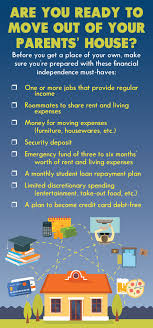
Once you graduate from college, you’ll have a lot of opportunities open. You might be focused on getting a job, but this is also the time to create good financial habits that will help you be successful. If you follow the right steps, you’ll be able to meet your goals and retire when you are ready.
Handle Your Student Loans
For the first six months after graduation, your loans will likely be deferred. But you do need to follow up on them since some accounts might be unnoticed. During this time, you might choose to pay the interest, so it doesn’t compound. But as soon as you get your first full-time job, it’s important to prioritize your debt. Look into consolidating your loans, especially if you find that the payments are too high to manage. Consolidation involves combining multiple loans with different term lengths and rates into one loan. You have a couple of options open. If you have for federal student loans from the U.S. Department of Education, look into a Direct Consolidation Loan. Or research reducing your rates with student loan refinancing from a private lender. No matter what you decide to do, the important thing is to prioritize your debt as soon as possible.
Begin Setting Aside Funds for Retirement
While it might seem early, the sooner you begin saving for your golden years, the more comfortably you can retire. The time to start is when you get your first paycheck. That way, you won’t miss the money since you are already adjusting to living expenses and the salary. You might not be able to invest in the company’s 401(k) immediately, but you can still open an IRA and contribute each month. It’s important to take advantage of matches offered by the employer. That’s a great way to easily save for retirement. Some companies might contribute a certain amount, but others might match your contributions, so try to max out your savings each month.
Prepare for an Emergency
Whether it’s an unexpected medical bill or your car suddenly dies, you might need money in a hurry. It’s a good idea to set aside funds to cover unexpected expenses without having to go into debt. Work toward an emergency fund of $1,000 or more. Then begin building up a month of living expenses. When you are no longer in debt, create an emergency fund to cover a few months to a year of living expenses. If you don’t have good job security, you may consider aiming for at least a year of expenses.
Learn How to Budget
One of the most important steps is to be able to create and stick to a budget. If you don’t have a goal on what to do with your funds, it doesn’t matter how much you’re earning. Money can be great for helping you live comfortably, but you need to know how to manage it. Find the budgeting method that works for you, whether that’s by hand or finding an app to help you manage your funds.