


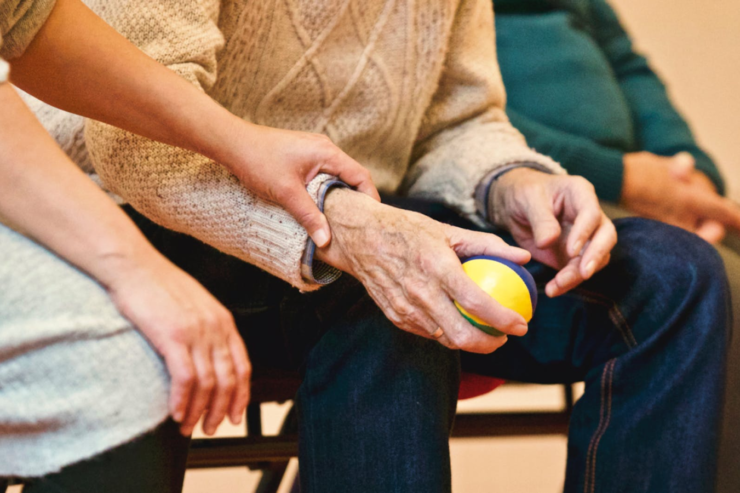
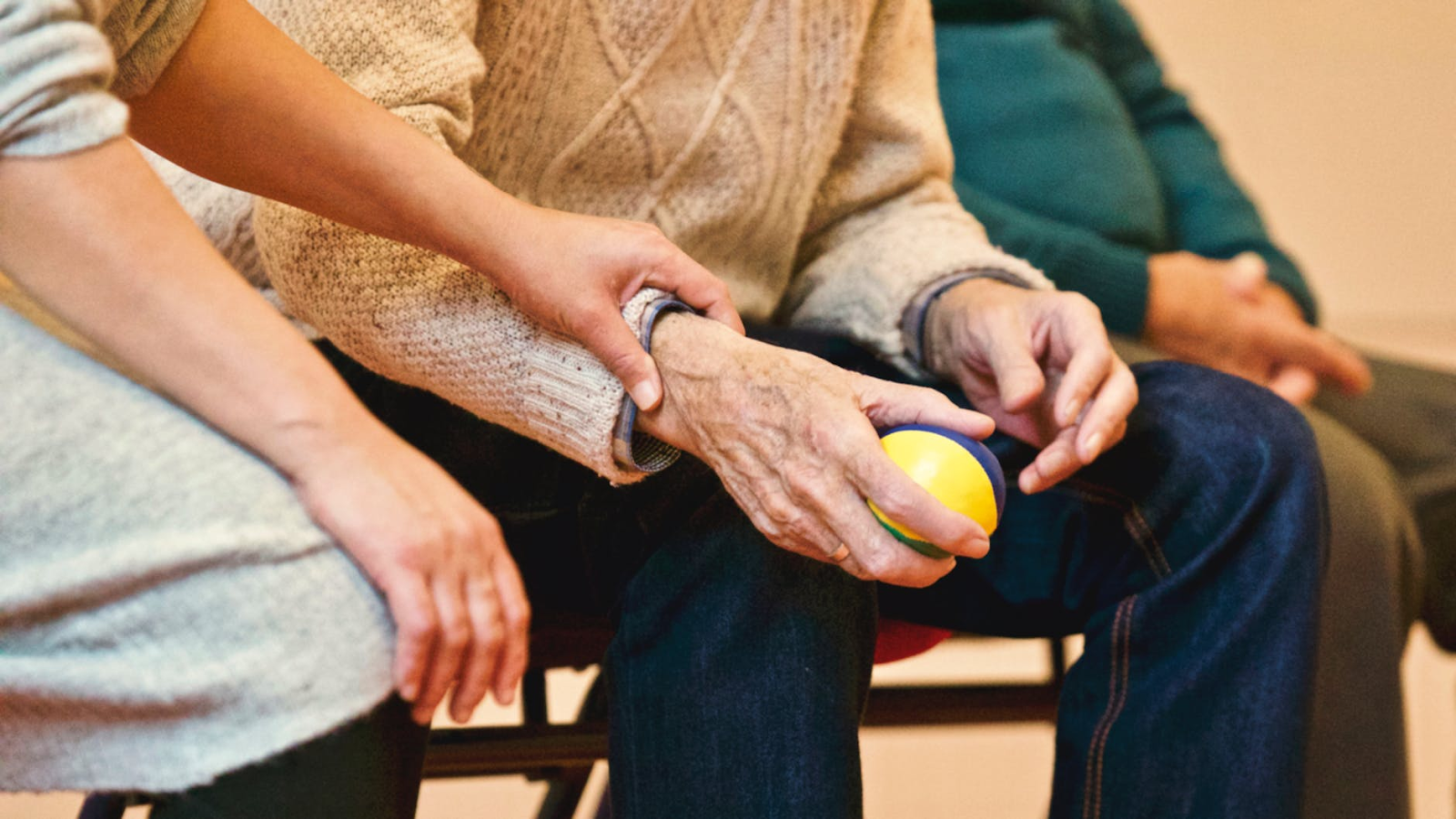
During this ongoing COVID-19 pandemic, hundreds of thousands of elderly people are trying to stay strong in these uncertain times. At the start of this viral outbreak, people were warned that the elderly, and those with underlying health conditions were more at risk. As more information came to light about the coronavirus, we learned that young and middle-aged adults can also succumb to the virus, even if they are healthy. Still, the elderly are at a higher risk because the immune system weakens little by little as we age.
Some countries are under complete lockdown but even in the ones that are not, people are asked to stay at home and self-quarantine, even if they are not sick. The WHO (World Health Organization) has been closely monitoring this pandemic and defines quarantine as a restriction of movement or the isolation of an individual from the rest of the population. This is done to help stop the spread of the virus, detect the infected cases early, and monitor its symptoms.
These precautions are hard on all people, especially on the elderly who may already have little contact with others and limited social life. Despite this, there are some things that the elderly do to make life easier for them. Here are some of the most effective coping mechanisms for the elderly under quarantine.
Digital Connection
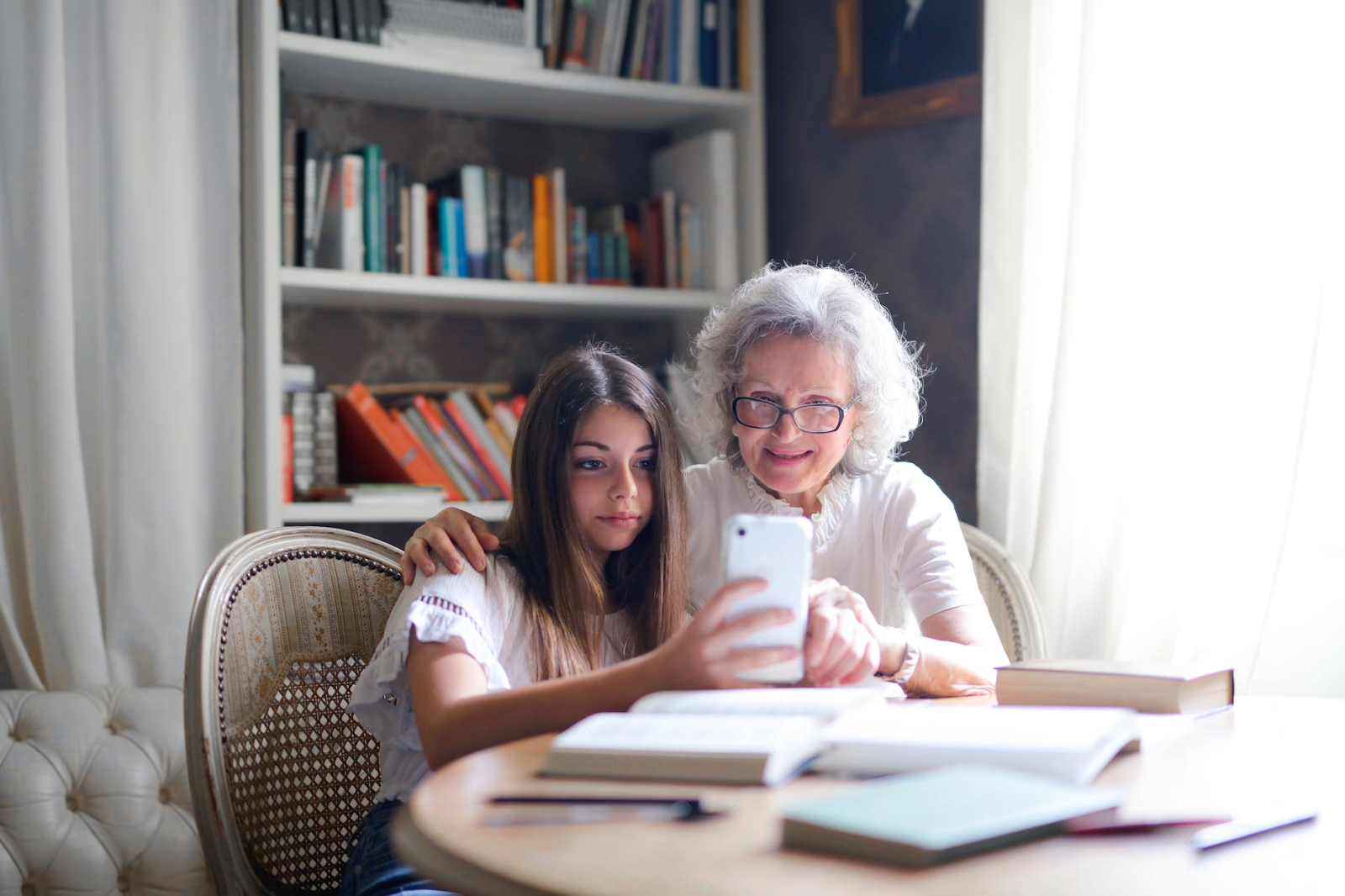
For an elderly person who might not have been too keen on using technology, this is the time to get a bit more familiar with the different ways to keep in touch with friends and loved ones. There are a couple of new apps that have gained a lot of popularity recently as they can help everyone stay in touch. While many elderly people depend on attending social functions that are typically part of a volunteer initiative for social interactions, these apps offer a great digital alternative. This way, even if their social life has changed, they can still connect with their friends and family which helps keep them company, making this time a little easier on them.
Aged Care Facilities and Home Care
During any crisis, especially a health one, no senior should be left alone to fend for themselves. If you’re not able to care for an elderly loved one, there are others who can help. You have a couple of choices. You can either have trained in-home care workers to drop by the elderly person’s home and help them in some everyday tasks, such as cleaning, cooking, shopping, and other chores. If this choice doesn’t suit you, there is the option to have an elderly person reside in residencies specialized in caring for the aged. The idea is both convenient and practical.
These residencies strike a balance between privacy and providing a family-like community. Australia is one of the countries known for providing excellent homes for the elderly. If you click here, you can find out a lot more about the different homes spread across Australia and what each facility offers its senior residents. Learning how residents are cared for, the many activities designed for them, and the dozens of services offered will help you make a sound decision on what is the best thing you can do to help an elderly loved one cope at this tough time.
Hotlines
Unfortunately, not every elderly person has a family. For them, they have to know they’re only a phone call away from having someone to talk to. Many countries have hotlines set up where an elderly person can call and have someone to talk to and listen to. Many elders might have lost a friend or a person they know to the virus. During this extremely difficult time, they need someone to vent to and speak about their feelings and fears. A comforting voice and an understanding of these fears are needed even more during this time.
Exercise
Thanks to online videos, the elderly can find lots of workouts that are specifically designed for them. These workouts help reduce their stress, lift their spirits, and keep them fit and active while in quarantine.
Despite all the problems and panic that this pandemic has caused, communities and people around the world are determined to get through it together. Elderly people are the backbone of any society and, as much as they need and deserve all the help they can get, they can still find many effective ways to cope. By staying connected with our elderly family members, friends, and neighbors, we can all cope with this tough situation better.






