Understanding the Challenges of Urban Travel
Getting around a big city is rarely as easy as it looks on a map, especially with a long list of places to see and not much time to see them. Crowded roads, traffic that changes by the hour, scarce parking and streets nobody recognizes can turn a simple day out into a puzzle. A little planning goes a long way. It keeps journeys organized, cuts down on stress and leaves more energy for the places that actually matter. Nobody travels across the country to circle a parking garage.
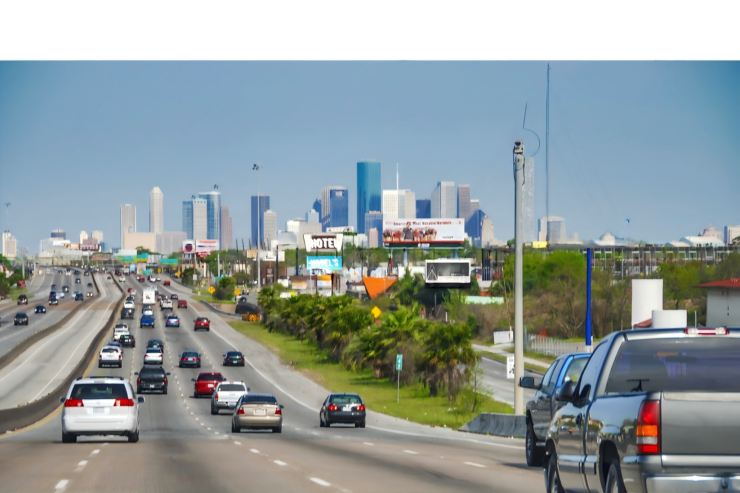
Take Houston. In this big American city, a bit of transport planning shapes almost every day. It sprawls for miles, with sights, office districts, malls and homes scattered far and wide. A museum in one part of town and a dinner reservation in another can be a surprisingly long drive apart. Travelers who know their options find these trips far easier to plan.
Planning Routes Before Starting a Journey
Few things make travel smoother than sketching out a plan before heading out the door. Travelers can pick their main stops, roughly work out how long each journey will take and decide which places fit together on the same day. Grouping spots that sit close to one another cuts out pointless driving and saves crossing the city twice. Visiting the zoo and a museum in the same district in one morning beats zigzagging back and forth across town.
Digital maps are handy for checking routes and spotting backup roads. Still, their arrival times are best taken as a rough guide, since traffic can change in minutes. A fifteen-minute estimate at noon can easily stretch to forty-five at five o’clock. In Houston, commuters often hit heavy traffic during the morning and evening rush, especially on the main highways and the roads linking business districts.
It’s worth adding extra minutes for finding a space, the walk from the car and the delays nobody sees coming. A loose schedule usually works better than one packed so tightly that a single wrong turn throws the whole day off.
Choosing Transportation According to Travel Needs
Each way of getting around has its own strengths. Public transport can work well on certain routes, particularly when buses or trains link the places a visitor wants to go. For short hops in compact areas, walking is often the easiest choice. Taxis and rideshare services, meanwhile, take people straight from door to door without anyone having to get behind the wheel.
When a trip involves lots of stops across a huge metro area, car rental in Houston may be one option worth a look. Having a car on hand gives far more freedom when destinations are spread out or when bus and rail links are thin on the ground. Whether it’s the right call, though, depends on money, plans, how happy someone is to drive and where their hotel is. A visitor based downtown with mostly nearby plans may never miss having a car at all.
Before settling on a way to get around, it’s wise for travelers to look at the full cost rather than one price on its own. Fuel, parking, tolls, insurance, transit fares and extra service fees can all push the final figure up. A cheap daily rate can look less appealing once parking is added. Weighing it all up first makes the right choice clearer.
Preparing for Houston’s Weather Conditions
The weather can shake up travel plans at any time of year. Houston’s summers are hot and sticky, and heavy rain can make driving tricky. A sudden downpour can cut visibility, lengthen braking distances and slow traffic to a crawl on busy roads. One minute the sun is out. The next, the windshield wipers can barely keep up.
Before a longer journey, a quick look at the forecast is well worth it, along with leaving decent gaps between planned activities. A ten-minute buffer feels generous until the first storm rolls in. When the rain really comes down, easing off the speed and keeping a safe distance from the car ahead are simple but important habits.
In that heat, plenty of water and comfortable clothes are a must, especially for anyone exploring on foot. A bottle of water in the bag and a few shady breaks during outdoor sightseeing can make the day far more enjoyable. A hat does more for comfort than any app.
Managing Parking and Traffic
Parking is worth thinking about before heading to popular spots. Downtown, concert halls, malls and stadiums can each come with their own rules and charges. Some garages charge by the hour, some offer a flat daily rate and others set prices around events. A ballgame night can send nearby parking prices climbing fast.
A quick check on parking before leaving can save a lot of time spent circling the block. Travelers are wise to read posted restrictions, stick to marked parking areas and keep valuables out of sight inside the car. A handbag left on the passenger seat is an open invitation.
Traffic calls for a fair amount of patience too. Drivers do well to obey local signs, check carefully before switching lanes and leave their phones alone. A navigation system can help pick the route, but it’s never meant to pull attention away from the road. Any text can wait until the car is parked.
Keeping Travel Expenses Under Control
A sensible transport budget makes city travel much easier to handle. A good starting point is to guess how many journeys the trip will involve and compare what each option would cost. A short hop might cost less by bus or rideshare, while a handful of far-flung stops can tip the balance toward something else.
Before confirming any transport service, it’s helpful to read the cancellation policy, check how payment works and look for any extra charges. Keeping digital copies of bookings and key travel details on a phone can make life much simpler if plans suddenly change. A screenshot of a confirmation can be a lifesaver at a busy counter.
Little choices, like bundling nearby activities and skipping needless detours, trim costs across the whole trip. Those small savings add up quickly.
Conclusion
Preparation, realistic timing and knowledge regarding transport options are the keys to getting around Houston in a timely and efficient manner. “Travelers can make better decisions by considering routes, traffic and weather, researching parking and determining the total cost. The flexible mindset allows visitors and locals to navigate the city with greater confidence, keeping every trip organized, practical and comfortable. The best trips are the ones where the trip is part of the fun.
“Disclosure: This article contains sponsored links provided by our clients. Sponsored articles represent the views of the submitting party. The Katy News does not endorse or verify the content or links.”