Investing in jewelry has long been a popular choice for individuals seeking to build their wealth or secure tangible assets. jewelry, particularly pieces made of precious metals like gold, platinum, and silver, can retain or even appreciate in value over time.
Many people view jewelry as a potential financial asset, often purchasing it as a store of value or for its aesthetic appeal, with the expectation that it could offer significant returns in the future.
However, while jewelry has its place in an investment portfolio, it is important to understand both the rewards and risks involved.
Unlike stocks or real estate, jewelry is not always easy to liquidate, and its value is subject to fluctuations based on factors like market demand, economic conditions, and the quality of materials. It’s crucial to weigh these factors carefully before committing to jewelry as an investment.
In this article, we’ll explore whether jewelry investment is a wise choice and what makes jewelry a valuable asset. By understanding how to assess the long-term value of your jewelry, you can make informed decisions about where to allocate your investment funds.
Types of jewelry to Consider for Investment
When it comes to investing in jewelry, not all pieces are created equal. The type of jewelry you choose plays a significant role in its potential to appreciate in value over time. Here are some of the most common types of jewelry that are often considered for investment:
Precious Metals (Gold, Platinum, Silver)
Precious metals like gold, platinum, and silver have always been safe bets for investors. Gold, in particular, is seen as a hedge against inflation and economic instability. Over the years, gold prices have remained relatively stable or even increased in value.
Platinum and silver, while slightly more volatile, also offer solid investment opportunities. The key factor here is that precious metal jewelry, especially in higher purity (e.g., 22k gold), tends to retain its intrinsic value.
Gemstones and Diamonds Gemstones like rubies, sapphires, and emeralds, along with diamonds, are often purchased as an investment due to their rarity and timeless appeal. When considering gemstones, the cut, clarity, color, and carat weight are key factors that determine their value.
A well-chosen gemstone with high-quality attributes can appreciate significantly over time. Diamonds, in particular, have a strong market, but it’s important to buy them with knowledge of the 4 Cs (cut, clarity, color, and carat) to ensure their long-term value.
Designer or Vintage jewelry
Designer jewelry from well-known brands like Cartier, Tiffany, or Van Cleef & Arpels can often outperform the market in terms of investment returns.
These brands are known for their craftsmanship, and their pieces tend to hold or even appreciate in value as they age. Vintage jewelry, especially pieces from iconic eras (like the Art Deco period or the Victorian era), also carry high investment potential due to their rarity, design, and historical significance.
Rarity, Craftsmanship, and Brand Value The rarity of a piece, coupled with its craftsmanship and brand value, plays a significant role in its ability to appreciate.
jewelry with limited production runs, unique designs, or pieces from renowned designers are often in demand by collectors.
In addition, jewelry that is well-maintained and features excellent craftsmanship, such as intricate engraving or hand-setting of stones, can hold its value better over time.
A piece’s brand—whether it’s a well-known luxury brand or a piece from an emerging designer—also contributes to its value as an investment.
Indian wedding jewelry
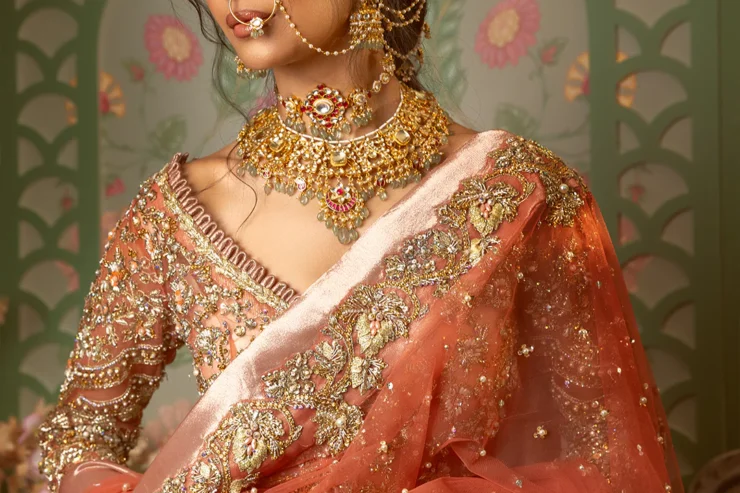
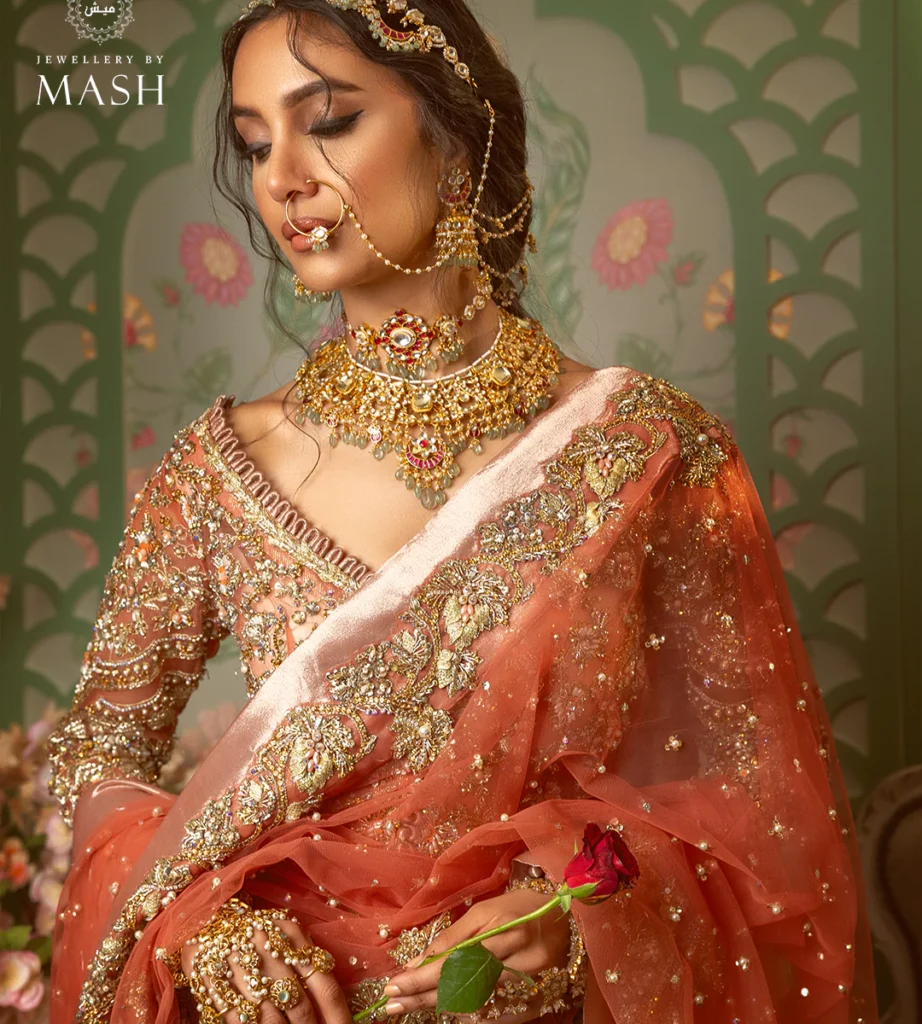
Traditional bridal jewelry for Indian weddings offers timeless appeal and strong investment potential due to its intricate designs, cultural symbolism, and quality craftsmanship. These pieces are often passed down through generations, making them both emotionally and financially valuable.
Similarly, Pakistani bridal jewelry is renowned for its luxurious appeal and can be a valuable investment due to its rich cultural significance and high-quality materials.
By focusing on these types of jewelry—precious metals, gemstones, designer or vintage pieces, and jewelry with a combination of rarity, craftsmanship, and brand value—you can better navigate the world of jewelry investment and make informed decisions on which pieces may yield the highest returns over time.
Factors Affecting the Value of jewelry
The value of jewelry is not solely based on its intrinsic material worth. Several other factors play a crucial role in determining how much a piece can appreciate or depreciate over time. Here are the key elements that affect the value of jewelry:
Quality of Materials (e.g., 24k Gold, Diamond Quality)
The materials used in the jewelry significantly impact its value. Gold with higher purity (e.g., 24k gold) tends to be more valuable because it is less likely to tarnish or degrade over time.
Similarly, diamonds and other precious gemstones are valued based on their quality, including factors like the cut, clarity, color, and carat weight (known as the 4 Cs). Higher-quality materials naturally lead to higher value, both in terms of intrinsic worth and potential appreciation over time.
The Reputation of the Jeweler or Designer
jewelry crafted by well-known designers or jewelers tends to be more valuable than pieces from lesser-known sources.
High-profile brands like Cartier, Tiffany, and Van Cleef & Arpels command a premium for their reputation and the quality craftsmanship associated with their names.
The brand and designer’s legacy, as well as the recognition of their work in the market, can significantly boost the resale value of a piece of jewelry. Limited-edition collections or pieces designed by renowned artisans can also carry a higher investment value.
Market Demand and Trends (e.g., The Impact of Economic Conditions on Luxury Items)
The demand for jewelry is highly influenced by market trends and economic conditions.
In times of economic uncertainty, consumers tend to invest in tangible assets like gold and diamonds, which can cause their prices to rise.
Similarly, Indian wedding jewelry may see a surge in popularity during wedding seasons or cultural events, driving demand.
Understanding market cycles and trends is important for predicting the future value of jewelry, especially for items that may currently be out of style but have historical or collectible value.
Provenance and History of the Piece
The provenance (or history) of a piece of jewelry can greatly affect its value. jewelry that has a notable history, such as being previously owned by a famous individual or associated with a significant event, can increase its appeal to collectors and investors.
Pieces with documented historical significance or those with well-documented ownership histories can command significantly higher prices.
This is especially true for antique jewelry or pieces that are part of an important collection. The rarity of a piece, coupled with its rich history, often makes it a highly sought-after investment.
By considering the quality of materials, the reputation of the designer, market demand, and the provenance of the piece, investors can make more informed decisions when selecting jewelry that is likely to retain or increase in value over time.
Pros of Investing in jewelry
Investing in jewelry offers several advantages, especially when compared to more traditional forms of investment like stocks or bonds. jewelry, particularly precious metals like gold and platinum, has historically been a reliable hedge against inflation.
When the value of currency decreases, the price of gold and other valuable metals tends to rise, making jewelry a safe asset to hold during periods of economic uncertainty.
Investing in jewelry from a jewelry store in the UK like Jewelry by Mash ensures that you’re purchasing pieces with long-term value. Here are the key pros of considering jewelry as part of an investment portfolio:
jewelry as a Hedge Against Inflation
jewelry, particularly precious metals like gold and platinum, has historically been a reliable hedge against inflation. When the value of currency decreases, the price of gold and other valuable metals tends to rise, making jewelry a safe asset to hold during periods of economic uncertainty.
Unlike paper currency, jewelry made from valuable metals and gemstones is not subject to the same volatility and devaluation, making it a sound long-term investment for preserving wealth.
Portability and Ease of Storage
Unlike real estate or other large investments, jewelry is portable and easy to store. It can be kept securely in a safe or vault, and you can easily transport it if needed.
This makes it a convenient investment, especially for those who value flexibility and the ability to move their wealth discreetly. In case of financial emergencies, jewelry can be sold or pawned quickly, providing liquidity when necessary.
Tangible and Wearable Asset
One of the unique benefits of investing in jewelry is that it is a tangible asset that you can enjoy. Unlike stocks or bonds, which offer no physical value until sold, jewelry can be worn, admired, and used as personal adornment.
Many people enjoy the aesthetic and emotional value of jewelry, as it can serve as a symbol of wealth, status, or personal achievement, all while maintaining its potential as an investment.
Potential for High Returns if Carefully Chosen (e.g., Antique or Designer Pieces)jewelry has the potential to provide high returns if chosen wisely. Antique jewelry, designer pieces, or limited-edition collections can appreciate significantly over time, especially if they are in excellent condition and have a strong provenance.
Unlike some investments that rely on fluctuating markets, jewelry that is rare, well-crafted, or associated with a renowned designer can increase in value as demand grows. Certain types of jewelry, such as diamonds or vintage pieces, may provide high returns due to their rarity and the timelessness of their appeal.
These advantages make jewelry an attractive option for investors looking to diversify their portfolio, safeguard their wealth, and even enjoy the aesthetic pleasures that come with owning valuable pieces.
Cons of Investing in jewelry
While investing in jewelry can offer several benefits, there are also some significant drawbacks to consider before making a purchase. Here are the key cons of jewelry investment:
Liquidity Concerns (Difficulty in Selling Quickly)
One of the primary challenges of investing in jewelry is its liquidity. Unlike stocks or bonds, which can be sold quickly through established markets, jewelry typically takes longer to sell and may require finding the right buyer.
Whether you’re selling to a jeweler, auction house, or online marketplace, the process of selling can be time-consuming and may not provide immediate access to cash. Additionally, selling jewelry often involves fees or commissions, which can reduce your overall return.
High Markup by Retailers and Associated Costs
jewelry often comes with a high markup when purchased from retailers. The price you pay for a piece is frequently much higher than its market value or the price it could fetch if sold later.
Retailers add significant margins for design, branding, and overhead costs, meaning the resale value of your jewelry may not always align with what you initially paid. This can result in a poor investment if you need to sell it in the future, as you may not recoup your original investment.
Impact of Changing Trends and Fashion on Value
jeweler’s value can be heavily influenced by trends and fashion. While some pieces, like classic diamonds or gold, tend to hold their value over time, others may be subject to the ebb and flow of fashion.
For example, certain gemstones or styles may become popular for a short period and then fall out of favor, significantly impacting their resale value. Market demand for specific types of jewelry can shift, and what is in demand today may not be as valuable in the future.
Risk of Damage or Loss, and the Cost of Insurance
jewelry is inherently at risk of damage, loss, or theft, especially if it is worn regularly. Accidents, wear and tear, or environmental factors like humidity or exposure to chemicals can all affect the condition of your jewelry.
Additionally, ensuring valuable pieces can be costly and may require regular appraisals to ensure the value is updated. While insurance can help mitigate the risk of loss, the premiums can add up over time, reducing the overall profitability of your investment.
These cons highlight the importance of careful consideration and research when deciding to invest in jewelry. It’s essential to weigh these risks against the potential rewards and determine if the investment aligns with your financial goals and risk tolerance.
Is jewelry a Good Investment for You?
Investing in jewelry comes with both pros and cons that should be carefully considered before making a decision.
Recap of the Pros and Cons:
- Pros: jewelry can serve as a hedge against inflation, offering portability and a tangible, wearable asset. With the right pieces—such as rare gemstones, designer items, or precious metals—there is potential for high returns over time.
- Cons: However, jewelry investments also come with challenges, including issues of liquidity, high markups by retailers, the impact of changing trends, and the risks of damage or loss. These factors can limit the profitability and ease of selling jewelry when needed.
Final Thoughts:
Whether jewelry is a smart investment depends largely on your personal financial goals and risk tolerance.
If you’re seeking a tangible asset that can diversify your investment portfolio, jewelry may be a valuable option, particularly if you invest in pieces with intrinsic value, such as diamonds, gold, or rare designer items.
However, it’s important to remember that jewelry is not a liquid asset and should not be relied upon for short-term financial needs.
Suggestion:
For those looking to invest, it’s wise to consider a balanced portfolio. Combining jewelry with other investments like stocks, real estate, or even bonds can help reduce risk and maximize potential returns.
jewelry can be a valuable asset in your portfolio, but it’s essential to ensure it complements other more liquid and stable investments.
By thoroughly researching, understanding the value of the items you buy, and factoring in the risks, jewelry can be a worthwhile part of a broader investment strategy.