
Contact lenses have become a popular eyewear choice for people who need vision correction. They aren’t as obstructive as glasses and can make it easier to wear other eyewear, making them ideal for those who don’t want to be held back by frames.
More and more people are becoming interested in trying them out, with 47.8% of glasses wearers expressing a high interest in wearing them. If you’re one of the many looking to try contact lenses for the first time, there’s much to consider before buying a box. Contacts can also be daunting to wear, as there are risks associated with misusing them. Increasing your knowledge of handling contact lenses can ease your concerns and help you be a responsible wearer. Here’s a beginner’s guide to safely buying, wearing, and caring for contact lenses:
Buying contact lenses
Buy from reputable sources
Contact lenses sit directly on your eyes, so you don’t want to buy them from just anywhere. Buying from reputable sources ensures that your contact lenses are safe and of good quality. It’s best to buy from a retailer that requires a prescription before purchasing to buy contact lenses that suit your vision needs. Optical shops will typically require you to show your contact lens prescription, and you can ask for specific types of contact lenses depending on your preferences and vision. You can also order contact lenses online for quick and easy access to what you need. Retailer Contacts Direct provides a wide range of contacts, from daily contacts like the Dailies Total 1 to contacts for astigmatism like the Biofinity Toric. You can easily input your prescription when buying the contacts of your choice and have them delivered to your home.

Buy high-quality contact lenses
You should never skimp on the quality of your contact lenses, whether you’re buying them for the first time or have been wearing them for years. Thanks to cutting-edge technologies and materials, high-quality contact lenses from reputable brands ensure comfort and safety. Contact lenses like the 1-Day Acuvue Moist feature LACREON Technology create a long-lasting moisture cushion to prevent dryness and enhance comfort. The Air Optix Plus HydraGlyde combines the SmartShield and HydraGlyde technologies to combat irritating deposits, and the silicone hydrogel material keeps the lenses moist for longer. Buying high-quality contact lenses can help reduce discomfort and ease the concerns that can come with wearing contact lenses for the first time.
Wearing contact lenses
Applying and removing contacts
Applying and removing your contact lenses can be tricky at first, so you can start slowly while getting the hang of it. Before handling your contacts, you should always wash your hands with soap and water to avoid transferring bacteria to your lenses or eyes. Use your fingertips, not your nails, to hold the contact lenses. When applying them, rinse the lenses with contact lens solution to clean them. Place the contact lens on the index or middle finger of your dominant hand and hold your eyes open with your non-dominant hand and the other fingers of your dominant one. When they’re in, you can close and roll your eyes to help them settle in. While you’re still getting used to putting in your contact lenses, you should keep your nails short to prevent scratching or poking your eye. To avoid mixing up your left and right contacts, always put them on in a specific order or keep the other eye closed.
Staying comfortable and safe
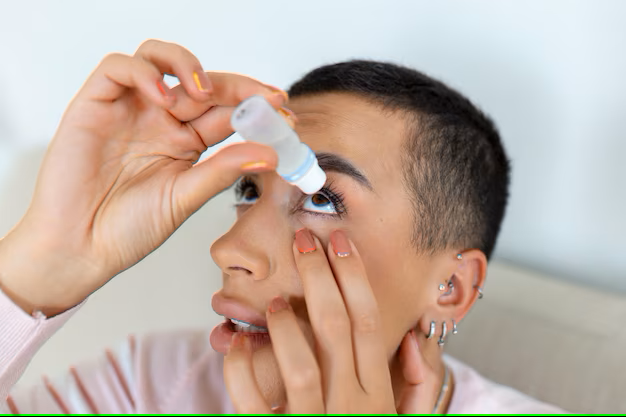
Proper habits are essential for keeping your eyes safe and comfortable while wearing contact lenses. Contact lenses shouldn’t bother you while you wear them, but they can still feel uncomfortable the first few times. Dryness can be an issue when wearing contacts, making them painful and irritating. If you struggle with dry eye, you can consider using artificial tears to help lubricate the eyes for relief and comfort. Blinking frequently can also help restore moisture, especially when using digital devices.
You should avoid touching your eyes while wearing them, as you can easily transfer bacteria and particles to them, increasing your risk for irritation and infection. Another risk factor is water, which poses a danger to your eyes when wearing contacts. Never wear contact lenses while showering or swimming; it’s safer not to wear them rather than taking your chances by closing your eyes or wearing protective gear. Sleeping with them is also a no-no.
Caring for contact lenses
Cleaning your contact lenses
Proper hygiene is a must for ensuring your contact lenses are clean and free from germs and deposits. If you wear reusable contacts like bi-weekly or monthly contact lenses, you should clean them regularly to ensure they function properly and won’t irritate your eyes. Contact lens solution is a must for cleaning them. Before and after you wear your contacts, rinse and rub them with solution. Options like the Biotrue Hydration Plus Multipurpose solution have been found to keep contacts comfortable and hydrated and encourage wearers to keep using their contact lenses. Your case is also an essential part of your hygiene routine. Avoid “topping off” or mixing old and fresh contact lens solution; always replenish it before storing your contacts to prevent bacteria transfer. Clean your case with the solution and not water. If you aren’t keen on following a rigorous cleaning routine, consider daily contact lenses since you throw them away after one use instead of storing them.
Sticking to schedule
Contact lenses are meant to be worn for a specific amount of time, whether daily, bi-weekly, monthly, and more. Sticking to the right schedule is necessary for keeping your eyes safe and ensuring your contact lenses function correctly. Avoid using them longer than necessary and throw them out when they’ve reached the replacement period. The box they come in will offer important information about what environments to store them in, how long you can wear them throughout the day, and the best methods for cleaning them. For more guidance, you can consult an eye doctor about which replacement schedule is best for your preferences and lifestyle so you can stick to it. You can set alarms or reminders on your devices to remind you when it’s time to replace your contacts.
Visit The Katy News for more health tips and the latest updates in Katy.