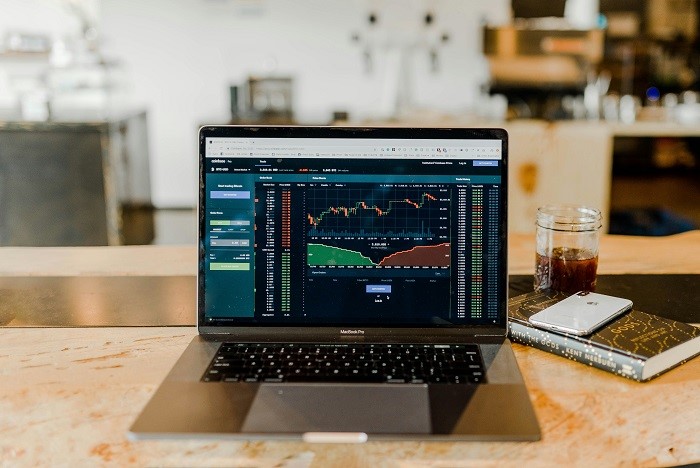
The secret to becoming a successful trader is to develop strong risk management skills. Effective risk management protects the earnings from profitable trades and helps to limit losses. Gaining insight into the risk/reward ratio of each trade helps traders make more informed decisions about which setups to follow in order to optimize their net profits. Here Currency Markets Coordinators is showing ways to calculate the Risk-Reward Ratio to avoid any unprecedented situation.
Currency Markets Coordinators Define Risk-Reward Ratio
The potential return an investor can receive for whatever amount they risk on an investment is shown by the risk/reward ratio, sometimes referred to as the risk/return ratio. Risk/reward ratios are a common tool used by investors to evaluate the amount of risk required to achieve investment returns against the expected profits. When evaluating the amount of risk an investor is willing to assume for each potential investment to the projected rewards on each investment, the risk-reward ratio can be a useful tool for investors. Currency Markets Coordinators suggest a ratio between 1-to-2 and 1-to-3 to identify a worthwhile investment, though the acceptable ratio can vary. Since a lower risk equates to a higher potential benefit, Currency Markets Coordinators also say a lower risk/return ratio is often preferred.
Why Traders Must Manage Their Risk?
According to Currency Markets Coordinators, gaining profits is not the only aspect of trading. It also has to do with limiting losses and controlling risk. Being able to limit losses will increase the more money one can make from profitable trades overall. The fact that a trader can make money even if they only win half of their trades emphasizes how important risk management is. Achieving this balance between average loss and average profit is crucial.
Currency Markets Coordinators Hack To Calculate R-R Ratio
The investor must first ascertain the level of risk associated with the transaction in order to compute the risk-reward ratio. After assessing the risk, it has to figure out the anticipated benefits that it will receive in exchange for taking on the possible danger of losing the money that is invested. The risk-reward ratio will then be computed by dividing the possible risk by the expected rewards in trading, following the determination of the prospective risk and expected rewards.
The hack to calculate the Risk-Reward Ratio is Potential Trading Risk / Expected Rewards.
Wrap Up
The ratio of risk to reward indicates how much money could be made or lost on a particular Investment. An excessively high ratio suggests that an investment may be too risky. A ratio that is too low, though, ought to raise red flags. So, selecting the right ratio for their portfolio requires investors to take their investing objectives and risk tolerance into account. A trader can optimize their risk-return profile by using stop-loss orders, protective put options, and investment diversification. Online investment platforms like Currency Markets Coordinators share these valuable insights with traders for a loss-free trading journey. Traders can start their journey any moment by simply visiting their website.