Making small changes to your diet can have a big impact on your overall health and fitness. By being mindful of what you eat and implementing some simple dietary hacks, you can start looking and feeling better in no time. Here are eight straightforward ways to eat healthier without completely overhauling your diet.
Load Up on Veggies
Simply making an effort to eat more vegetables every day is one of the easiest things you can do to improve your nutrition. Vegetables are low in calories but high in fiber, vitamins, minerals, and antioxidants. Aim to fill half your plate with veggies at every meal. Some easy ways to add more veggies are by snacking on carrots and hummus, adding spinach to smoothies and omelets, and roasting Brussels sprouts or broccoli as a side dish.
Choose Whole Grains
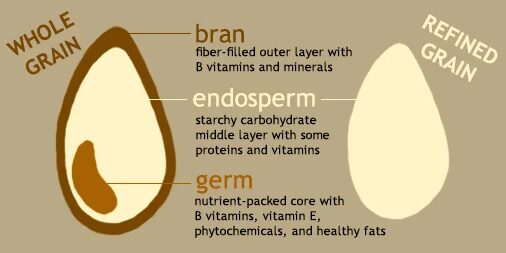 Opting for whole grain breads, cereals, rice, and pasta over refined, white grain products is another way to up your nutrient intake. Whole grains provide more fiber, protein, and vitamins than refined grains. Look for the words “100% whole grain” or “100% whole wheat” on product labels. Quinoa and oats also make excellent whole grain choices.
Drink More Water
Staying hydrated is crucial for overall health. Drinking adequate water improves digestion, keeps you feeling energized, and can even help with weight loss. Aim to drink at least eight 8-ounce glasses of water per day. Adding lemon, mint, or cucumber provides flavor and extra nutrients. Cut down on sugary sodas, juices, and caffeinated drinks which can dehydrate you.
Limit Added Sugar
Added sugars like those in baked goods, candy, ice cream, and soft drinks provide zero nutritional value and lots of empty calories. Limiting added sugar not only helps with weight management but can lower your risk for heart disease, diabetes, and fatty liver disease. Check labels and choose products with little or no added sugars. Stick to water or unsweetened tea and coffee and satisfy sweet cravings with fresh fruit.
Focus on Protein
Protein is essential for building and maintaining muscle mass, so getting enough is especially important if you are active. High protein foods also keep you feeling fuller for longer. Include a lean protein source like fish, chicken, eggs, Greek yogurt, or beans in meals and snacks. You can use supplements to help meet your daily protein intake goals if needed.
Don’t Skip Breakfast
Many people skimp on breakfast to try to save calories or time. But eating breakfast actually helps boost your metabolism and energy for the day. It also prevents overeating later on. Quick protein-packed breakfasts include Greek yogurt with nuts and fruit, scrambled eggs and whole grain toast, or overnight oats with chia seeds.
Meal Prep
Planning meals and snacks ahead of time helps ensure you have healthy options on hand. Take time on the weekends to prep veggies, cook grains and proteins, and portion meals into containers for the week ahead. Some good make-ahead meals are grilled chicken breasts, turkey meatballs, quinoa salad, roasted vegetables, and hard boiled eggs.
Read Food Labels
Get in the habit of reading nutrition labels so you know exactly what is in the foods you are eating. Look for options low in sodium, added sugar, and unhealthy fats and high in fiber, vitamins, and minerals. Compare similar products and choose the healthier option. Labels also help you stick within reasonable portion sizes.
Making your diet healthier doesn’t require a complete overhaul or depriving yourself of all your favorite foods. Start with small steps like the ones above to improve your eating habits over time. Being consistent with better dietary choices every day will put you on the path towards looking and feeling your absolute best.