 Seemingly innocuous, the history of bags weaves a fascinating tapestry through the annals of human evolution. From animal hides stitched together by our ancient ancestors to carry essentials to the myriad of forms it assumes today, the bag has come a long way, evolving not just in design, but in its socio-cultural significance and functionalities.
During the primitive times, the inception of bags was governed by mere necessity — a tool to transport food, tools, and other essentials. Fast-forwarding to the epoch of the ancient Egyptians, bags began to assume a more notable place in society, meticulously crafted, symbolizing status and aligning with fashion. The Middle Ages saw the ubiquity of bags among both men and women, evolving in terms of materials, from lavish velvets to sturdy leathers, bearing an explicit testament to craftsmanship and functionality equally.
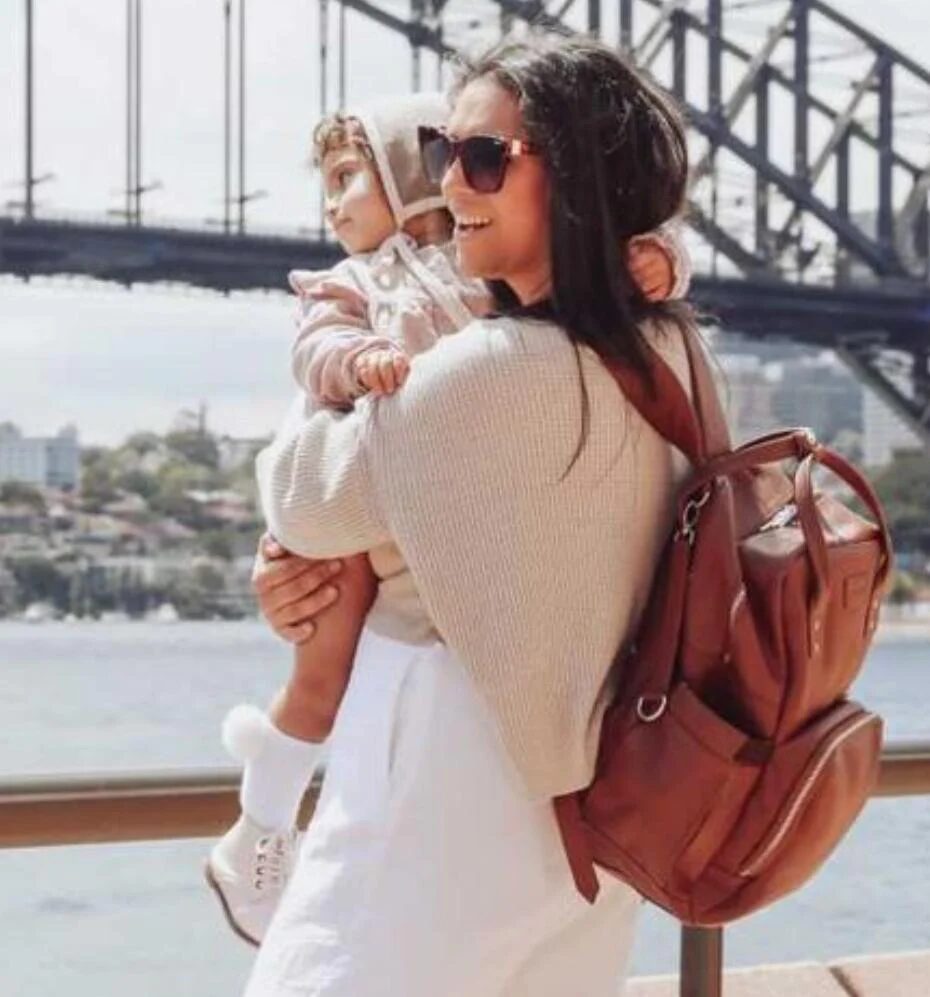
However, it is within the folds of the 20th century that the bag began its most transformative journey. In this era, the development of bags embraced diversity, gender norms, and functionality. For instance, nappy bags, often overlooked in fashion circles, emerged as an emblem of shifting societal norms and parenthood paradigms. Elegantly designed yet practical, these bags catered to the demands of on-the-go parents, blending style and utility with aplomb. The statement they projected was clear: bags were no longer just carriers; they were symbols, eloquently articulating the multifaceted roles individuals held within society.
The subsequent years witnessed bags cementing their place within the fashion hierarchy. Iconic designs, from the ethereal Hermès Birkin to the practicality of the JanSport backpack, bags began to denote more than utility. They became bound to identity and expression, reflecting personal style, socio-economic status, and sometimes, even political standpoints.
In the modern epoch, the essence of bags transfigures once more, notably, leaning into sustainability. The market sees a surge of creations made from recycled materials, embodying ethical considerations, and intertwining morality with aesthetics. This shift does not merely stand as a testament to the fashion industry’s adaptive nature but is also indicative of a collective, global movement towards responsible consumption.
Intriguingly, from humble beginnings of necessity to becoming conduits of expression and ethical standpoints, bags have been silently participating in our cultural, social, and ethical dialogues. They have become less about what we carry and more about what we convey, shaping and reflecting epochs in the malleable canvas of history and culture.
It is paramount that, as we sling our bags over our shoulders, we acknowledge the rich, diverse history they carry, unfolding stories of evolution, expression, and endurance, forever intertwining with the tapestry of human existence.