 Explore the crucial role medication plays in managing mental health disorders. Learn more about the intersection of medicine and mental health here.
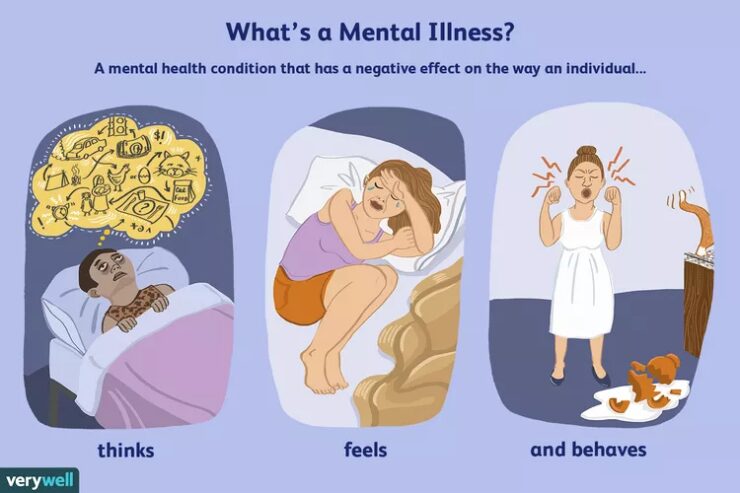
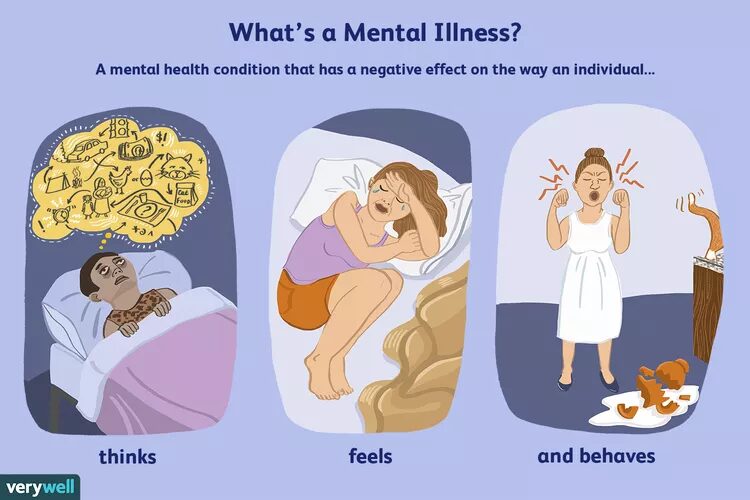
Every human being has mental health and can experience issues in this area. Mental health disorders are illnesses that affect an individual’s thinking, mood, and behavior. These conditions can interfere with a person’s daily life, relationships, and overall well-being. Fortunately, there are various treatment options available to help individuals manage these disorders, such as therapy and medication.
In this article, we will focus on how medication can play a vital role in the battle against mental health disorders. We will also discuss the different types of medications used for various disorders and their potential benefits and side effects.
Understanding Mental Health Disorders
Mental health disorders encompass a wide range of conditions, including anxiety disorders, mood disorders, personality disorders, schizophrenia, and many others. These conditions can manifest in various ways and have different levels of severity. Some individuals may experience mild symptoms that do not significantly impact their daily lives, while others may struggle with severe symptoms that greatly affect their functioning.
It is essential to note that mental health disorders are not a sign of weakness or character flaw. They are medical conditions that can affect anyone, regardless of age, gender, race, or socioeconomic status.
How Medication Can Help
Medication is an essential tool in the treatment of mental health disorders. It works by targeting chemical imbalances in the brain that contribute to symptoms such as anxiety, depression, and mood swings. Medications can help stabilize these imbalances, making it easier for individuals to manage their symptoms and regain a sense of control in their lives.
Medications are often used in combination with therapy, which helps individuals develop coping strategies and address underlying issues that may contribute to their disorder. Together, medication and therapy can provide a comprehensive treatment approach for mental health disorders.
Types of Medications Used for Mental Health Disorders
There are various types of medications used to treat mental health disorders. Some common ones include antidepressants, antipsychotics, mood stabilizers, and anti-anxiety medications. These medications work differently to target specific symptoms and conditions.
For example, selective serotonin reuptake inhibitors (SSRIs) are commonly used to treat depression and anxiety disorders. They work by increasing the levels of serotonin, a neurotransmitter that helps regulate mood, in the brain. On the other hand, antipsychotics are primarily used to manage symptoms of schizophrenia and bipolar disorder.
Ketamine is another medication that has gained attention in recent years for its potential in treating treatment-resistant depression and other mental health disorders. Ketamine is a dissociative anesthetic, meaning it can create feelings of disconnection from one’s thoughts, feelings, and surroundings. In lower doses, ketamine has been found to have rapid antidepressant effects. In South Jordan, UT, ketamine treatment is available for individuals struggling with severe depression and other mood disorders.
Potential Benefits and Side Effects of Medications
Medications can provide significant benefits in managing mental health disorders. They can help reduce symptoms such as anxiety, depression, irritability, and mood swings. As a result, individuals may experience improved functioning and quality of life.
However, like any medication, there are potential side effects associated with mental health medications. These may include nausea, weight gain or loss, changes in sleep patterns, dizziness, and sexual dysfunction. It is essential to work closely with a healthcare professional to find the right medication and dosage that works best for each individual.
Conclusion
In conclusion, medication can be a valuable tool in the battle against mental health disorders. It is essential to remember that everyone’s journey with mental health is unique, and what works for one person may not work for another. Therefore, it is crucial to seek professional help and work closely with a healthcare provider to develop an individualized treatment plan that addresses your specific needs and concerns.
Now that you have a better understanding of how medication can help in the treatment of mental health disorders, we encourage you to continue learning and educating yourself on these conditions. Together, with the right support and resources, we can break the stigma surrounding mental health and work towards improving the lives of those affected by these disorders.