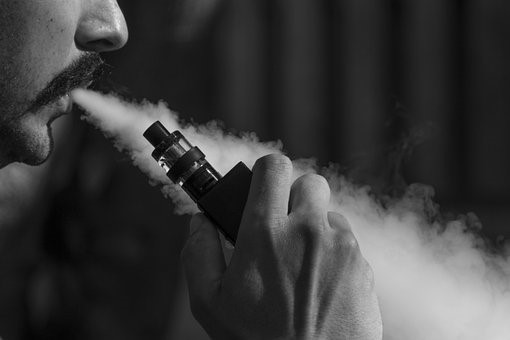
 Vaping, once touted as the avant-garde alternative to traditional smoking, is a topic shrouded in controversy and polarized debates. While some see it as the beacon of hope for those desperate to break free from tobacco’s clutches, others view it with skepticism, voicing concerns about its long-term effects and potential as a gateway to traditional smoking. Amidst this storm of opinions, some nations have tread cautiously by placing vaping under a regime of regulation, of which prescription-based access is the most debated.
The crux of the prescription model is to control the availability of vaping products. By making e-cigarettes and vapes available only through a doctor’s prescription, the hope is that it would prevent recreational use, especially among young adults and teenagers, while still providing an alternative for those genuinely trying to quit smoking. The model is not without its merits; after all, it’s a middle ground between an outright ban and unrestricted access.
Smokefree Australia, a commendable company aimed at eliminating tobacco use, sees the value in offering alternative nicotine replacement therapies, but where does vaping fit in? The prescription model aims to align with such public health goals by ensuring vaping serves primarily as a cessation tool rather than a lifestyle choice. Yet, critics argue that making vapes prescription-only may create barriers for those who could benefit from them, driving potential quitters back to more harmful traditional cigarettes.
There’s no denying that unrestricted access could have its pitfalls—increased youth vaping, potential health risks, and normalization of nicotine use. However, the question remains: Is the prescription approach the optimal path? It is paramount to ensure that any regulatory framework is built on robust scientific evidence and places the well-being of the public at its core.
In the shifting sands of the vaping debate, one thing is clear: The journey to a smoke-free world is intricate and multifaceted. Whether through prescriptions or alternative means, the end goal must remain unclouded—a healthier, tobacco-free future for all.