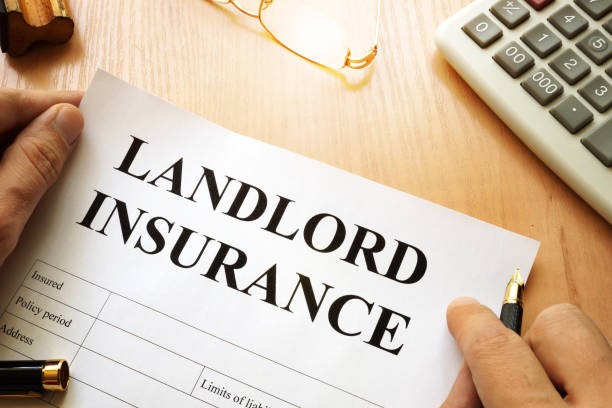
Every business comes with risk, which Is why insurance is always a smart financial move, irrespective of what you do. Landlord insurance is vital for property owners who rent out their properties, offering tailored protection against the unique risks associated with tenancy. This specialized insurance policy covers property damage, liability, loss of rental income, tenant-related damages, and legal expenses.
Are you a newbie or a seasoned investor looking for the latest update on landlord insurance? Are you a property owner looking to make informed decisions and safeguard your investments? We’ve got you covered as this article in-depth answers the question, what does landlord insurance cover? Additionally, this post explores the distinction between landlord insurance and rental property insurance, clarifying their differences to help property owners ensure they have the appropriate coverage for their rental properties. Let’s dive in!
What is Landlord Insurance
Landlord insurance is a specialized insurance coverage designed to protect property owners renting out their residential or commercial properties. Unlike standard homeowners insurance, intended for owner-occupied properties, landlord insurance is tailored to address the unique risks and liabilities associated with renting out properties to tenants.
Landlords face a distinct set of challenges and potential financial losses compared to homeowners, making landlord insurance a crucial investment for those involved in property rental. This insurance policy provides financial protection in case of various risks, damages, or legal issues that may arise during a tenancy.
For example, if your rental became temporarily inhabitable due to flood, fire, or pests, regular homeowners insurance would only reimburse you for damages. On the other hand, landlords’ insurance could also cover lost rental income. Of course, hiring expert rental management services in Northern Virginia could quickly help you find high-quality tenants or put up preventive measures before the accident.
While the specific coverage may vary depending on the insurance provider and policy terms, how landlord insurance uniquely helps property owners can help you make informed decisions to safeguard your investments.
What Does Landlord Insurance Cover
Loss of Rental Income
Landlord insurance may include coverage for loss of rental income resulting from a covered property damage event. If the property becomes temporarily uninhabitable due to a covered peril, such as fire or severe storm damage, loss of rental income coverage can reimburse the landlord for the lost rental income during the repair or rebuilding period.
Property Damage
Property damage coverage is the foundation of landlord insurance. If you understand how climate change affects properties, you know it’s vital to protect the physical structure of the rental property, including the building and any fixtures. Damage from perils, such as fire, vandalism, storms, and certain natural disasters, can affect your property’s habitability and cut your profits. This coverage is essential for repairing or rebuilding the property in case of covered events, ensuring landlords don’t have to pay substantial out-of-pocket costs.
Liability Protection
Another benefit of landlord insurance is liability protection if a tenant or a visitor is injured on the rental property and holds the landlord liable for the injury. Liability coverage can help pay for legal expenses, medical bills, and potential settlement costs in the event of a lawsuit.
Tenant-related Damages
Some landlord insurance policies offer protection against damages caused by tenants, such as intentional damage or vandalism. This coverage can help landlords recover repair costs or property damage due to tenant malicious or accidental actions.
Legal Expenses
Landlord insurance often covers legal expenses related to tenant disputes or evictions. If a landlord needs to take legal action against a tenant, the insurance policy may help cover attorney fees, court costs, and other legal expenses.
Personal Property Coverage
Landlord insurance may offer limited coverage for personal belongings owned by the landlord at the rental property, such as appliances, furnishings, or maintenance equipment.
Other Optional Coverage
Landlord insurance policies may also provide optional add-on coverages, such as additional liability, earthquake, or flood coverage, depending on the property’s location and the landlord’s preferences.
Are Landlord Insurance and Rental Property Insurance the Same Thing
While “landlord insurance” and “rental property insurance” are often used interchangeably, they are not precisely the same. Both types of insurance can protect property owners who rent out their properties, but there are some nuanced differences between them.
Landlord Insurance
As discussed earlier, landlord insurance is a comprehensive insurance policy specifically tailored for property owners who rent out their properties. It typically covers property damage, liability, loss of rental income, tenant-related damages, legal expenses, and more. Landlord insurance addresses the unique risks faced by landlords and provides financial protection for their investments. Vx
Rental Property Insurance
On the other hand, “rental property insurance” is a broader term that can encompass both landlord insurance and other insurance options available to property owners who rent out their properties. Rental property insurance is a generic term that may include other insurance policies, such as dwelling fire insurance or homeowner’s insurance with a landlord endorsement.
While landlord insurance is a type of rental property insurance, not all policy designs cover landlords’ unique needs. Therefore, property owners need to clarify the coverage details with their insurance providers to ensure they have the appropriate protection for their rental properties.
Conclusion
Landlord insurance is vital for property owners renting out their residential or commercial properties. This specialized insurance policy offers financial protection against various risks, including property damage, liability, loss of rental income, tenant-related damages, and legal expenses. By understanding the coverage provided by landlord insurance, property owners can make informed decisions to safeguard their investments and enjoy greater peace of mind.
Additionally, while the terms “landlord insurance” and “rental property insurance” are often used interchangeably, ensuring that the insurance policy explicitly purchased addresses the unique needs and risks you’re facing is essential. Hiring a professional property manager to protect your financial interests can help protect one’s rental property in the ever-changing landscape of property rental.