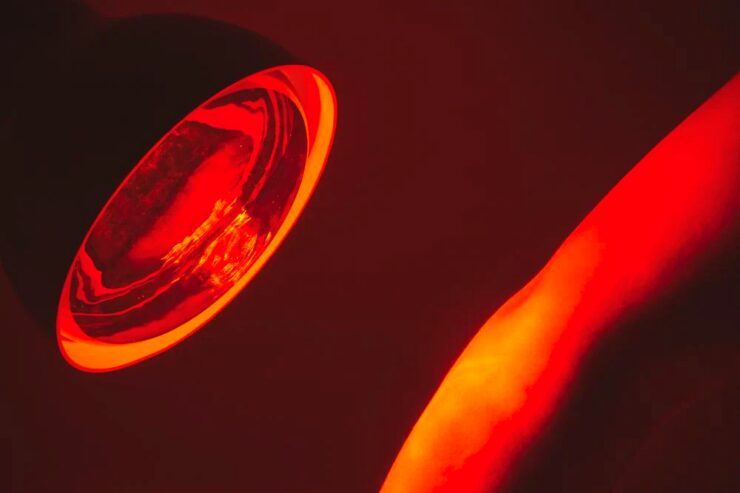
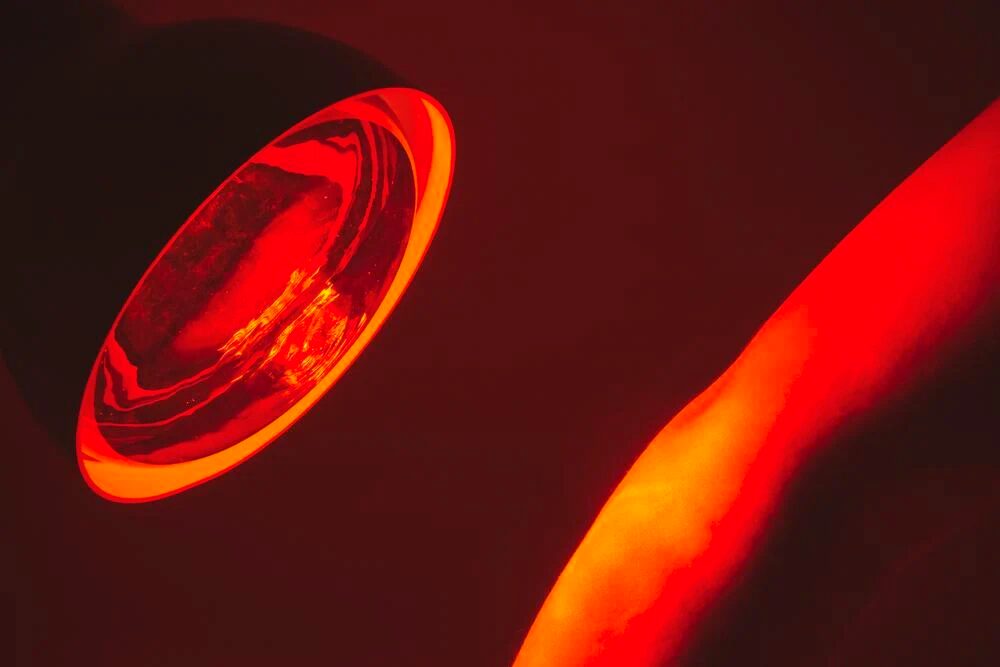
Red light therapy, also known as photobiomodulation (PBM) or low-level light therapy (LLLT), has gained significant attention in recent years for its potential therapeutic benefits across various health and wellness applications. From improving skin health and reducing pain to enhancing muscle recovery and stimulating hair growth, red light therapy is a non-invasive and promising treatment option. In this article, we will explore the scientific principles behind red light therapy and how it exerts its positive effects on the body’s cells and tissues.
The Science of Light and Cells
To understand how red light therapy works, we must first examine the interaction between light and cells at the cellular level. Every living cell contains mitochondria, often referred to as the “powerhouses” of the cell. Mitochondria are responsible for producing adenosine triphosphate (ATP), which serves as the primary energy currency for cellular activities.
When cells are exposed to specific wavelengths of light, particularly in the red and near-infrared spectrum, the photons (light particles) are absorbed by the mitochondria. This absorption triggers a series of photochemical reactions within the mitochondria, leading to an increase in ATP production. As a result, the cells have more energy available to perform their various functions efficiently.
The Mechanisms of Red Light Therapy
Enhanced Cellular Energy Production
The primary mechanism behind red light therapy’s beneficial effects is the enhanced production of ATP. The increased ATP levels enable cells to function optimally, promoting various cellular processes that contribute to tissue repair and regeneration.
Improved Blood Circulation
Red light therapy has been shown to improve blood circulation in the treated areas. By stimulating the release of nitric oxide, a molecule that dilates blood vessels, red light therapy enhances blood flow to the targeted tissues. Improved circulation ensures a more efficient delivery of oxygen and nutrients to the cells, supporting their optimal functioning.
Reduction of Inflammation
Inflammation is a natural immune response that helps the body fight infections and repair damaged tissues. However, chronic inflammation can be detrimental to health, contributing to various diseases and conditions. Red light therapy has demonstrated anti-inflammatory effects by suppressing pro-inflammatory cytokines and promoting the release of anti-inflammatory cytokines. This helps reduce inflammation, providing relief for individuals suffering from inflammatory conditions.
Cellular Signaling and Gene Expression
Light absorption by cells can initiate signaling pathways that influence gene expression and protein synthesis. Red light therapy’s ability to influence gene expression can lead to various cellular responses, such as increased collagen production, enhanced antioxidant defenses, and improved cell survival.
Applications of Red Light Therapy
Skin Health and Rejuvenation
Red light therapy has become popular for its beneficial effects on skin health. By stimulating collagen production, reducing inflammation, and promoting cellular repair, red light therapy can improve skin elasticity, reduce wrinkles and fine lines, and even out skin tone. It has been used to treat acne, psoriasis, eczema, and to accelerate wound healing.
Pain Management
The analgesic properties of red light therapy make it valuable for pain relief and management. It can be used to alleviate chronic pain conditions like arthritis, fibromyalgia, and muscle soreness. Red light therapy’s ability to reduce inflammation also contributes to its pain-relieving effects.
Athletic Performance and Recovery
Athletes often use red light therapy devices to enhance their performance and expedite post-workout recovery. By improving blood flow, reducing muscle fatigue, and promoting tissue repair, red light therapy can support athletes in achieving their peak performance.
Hair Growth Stimulation
For individuals experiencing hair loss or thinning, red light therapy offers a non-invasive and natural approach to stimulate hair growth. By energizing hair follicles and increasing blood flow to the scalp, red light therapy can enhance hair growth and thickness.
Neurological Health and Cognitive Function
Red light therapy’s potential neuroprotective effects have sparked interest in its application for neurological disorders. Research suggests that red light therapy may protect neurons from damage, reduce inflammation in the brain, and improve cognitive function. It shows promise in conditions such as Alzheimer’s disease, Parkinson’s disease, and traumatic brain injuries.
Mood Enhancement and Sleep Regulation
The influence of red light on circadian rhythms can help regulate sleep patterns and improve sleep quality. Additionally, red light therapy’s ability to stimulate serotonin release contributes to mood enhancement and an overall sense of well-being.
Immune System Support
Red light therapy’s impact on the immune system can promote a balanced immune response and strengthen the body’s defense mechanisms. This immune-supportive effect may be beneficial for individuals with autoimmune conditions or those seeking to boost their immune function.
Safety Considerations
Red light therapy is generally considered safe and well-tolerated when used correctly. However, there are some essential safety considerations:
- Eye Protection: Direct exposure of the eyes to red or near-infrared light can be harmful and may cause eye damage. Always wear appropriate eye protection, such as goggles, when undergoing red light therapy.
- Photosensitivity: Some medications and medical conditions can increase photosensitivity, making the skin more susceptible to light-induced reactions. Consult a healthcare professional before starting red light therapy if you are taking medications or have a medical condition that may cause photosensitivity.
- Pregnant Women: Although red light therapy is considered safe for most people, pregnant women should consult their healthcare provider before using this therapy, as there is limited research on its safety during pregnancy.
Conclusion
Red light therapy, or photobiomodulation, is a groundbreaking treatment that harnesses the power of specific wavelengths of light to stimulate cellular energy production and promote various beneficial effects in the body. From enhancing skin health and reducing pain to supporting athletic performance and stimulating hair growth, red light therapy offers a non-invasive and promising approach to improving overall health and well-being.
As with any medical or wellness treatment, it is essential to consult with a healthcare professional before incorporating red light therapy into your routine. By understanding the science behind red light therapy and following proper safety guidelines, individuals can explore the full potential of this innovative therapeutic technique to optimize their health and vitality.