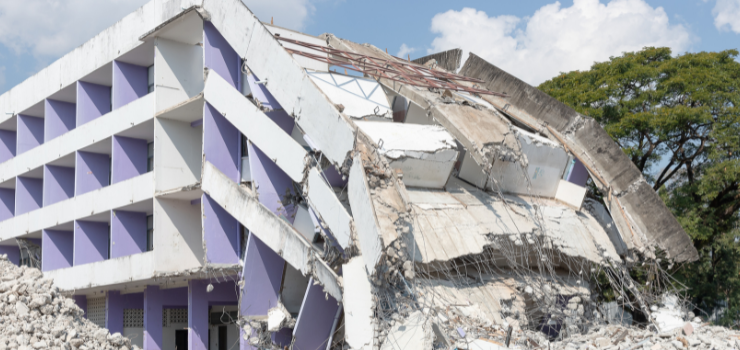
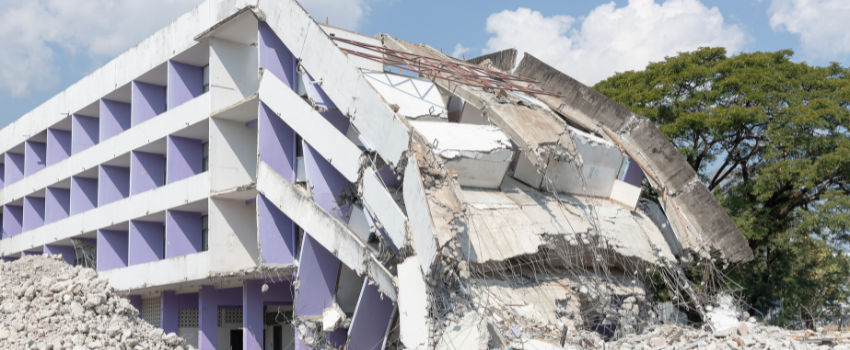
It’s truly heartbreaking when a building collapses, and it becomes an intense challenge for emergency services across the globe. The severity of the incident depends on various factors, like how many people were inside, how tall the structure was, and what caused it to collapse.
Now, let’s zoom in on one important aspect: an immediate medical response that can literally be life-saving after these tragic disasters strike. In this article, we’re breaking things down into three parts so you get all the info you need.
The Critical First Hour: The Golden Hour
Right after a building collapse, that first hour is absolutely crucial for people’s survival. We call it the “Golden Hour.” It basically means the window of time right after a traumatic injury. Getting medical help quickly can mean the difference between life and death.
During these critical moments, emergency responders need to hustle like there’s no tomorrow. Their priority? Identifying survivors in record time, assessing their condition on-site, and giving them immediate care if needed.
Search teams go all out to find those trapped under rubble, while medical heroes jump into action once they’re located. These on-the-scene medics then figure out who needs urgent treatment based on how badly injured they are.
They prioritize folks with severe bleeding or crushed limbs that could take lives too fast! Being lightning-fast matters! Quick evaluation and stabilization give patients fighting chances they wouldn’t have had otherwise.
Dealing With Specific Medical Emergencies
When a building collapses, it brings on a whole range of medical emergencies that demand immediate attention. Take crush syndrome, for instance. It’s dangerous and happens when body parts get squished under debris for way too long. If not treated right away, this can lead to kidney failure, irregular heartbeats, and other major complications.
Emergency responders tackle severe cuts or wounds needing stitches ASAP while also diving into fractures fiasco because those broken bones need fixing pronto too! Let’s not forget about internal bleeding – another scary consequence they’re ready to handle, along with shock situations!
These medics come armed with some fancy gadgets like portable ultrasounds, which help them detect hidden injuries inside our bodies quickly at the crash site itself. This means no time is wasted figuring out what’s going on internally, so treatment can begin without delay!
Preventative Measures: The Key to Mitigation
The best way to keep people safe is by stopping building collapses from happening in the first place. So here’s what we can do:
- Regular inspections.
- Sticking to building codes.
- Promptly dealing with any structural issues that pop up.
It may sound straightforward, but it goes a long way in preventing disasters.
Let’s not forget about the foundation of all this! Buildings can crumble if their foundations aren’t strong enough or start giving out on us. This just highlights why maintenance checks are so crucial too!
Being prepared for the worst-case scenario matters too. That means investing time and resources into training our incredible first responders. Make sure they have top-of-the-line equipment ready at their fingertips.
Running simulation drills helps them get used to all the chaos and stress these events bring. It also ensures medical teams are well-equipped when faced with real-life situations.
Wrapping Up
To sum it all up, when a building collapses, and chaos ensues, a quick medical response is absolutely key. It’s like the secret sauce that boosts survival rates big time!
We’re talking about that crucial “Golden Hour,” specific emergencies calling for immediate action, and smart prevention strategies. They all come together to create an awesome disaster response plan. So let’s remember that timely care can make a world of difference in these tough situations!