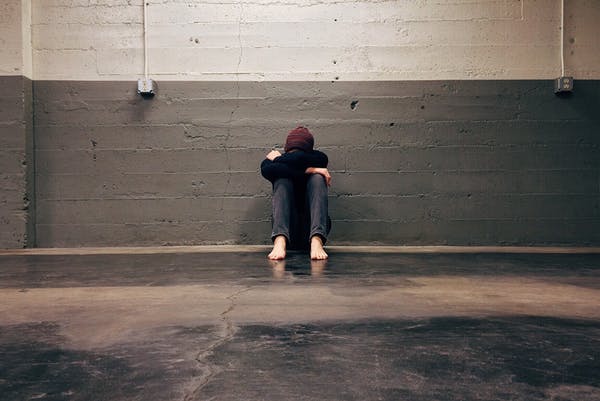
 Do you know what anxiety is? Anxiety is a hormonal rush, which may leave you tired and drained. The rush is temporary, but the underlying feeling of exhaustion may last for some time. Unless you take some rest, you can’t get back on track. If you feel anxious often, you might recognize the emotional pattern. At times it will stress you, and thus the anxiety begins. It builds with time and presents specific physical symptoms like quickened breathing, racing heartbeat, etc. If you feel tired even after a little physical activity, then it’s a problem you must address as early as possible. Even with low-grade anxiety, it might have a long-term effect on your physical and mental health. You must know anxiety and chronic fatigue are interrelated. Science has established the connection between the two.
How does anxiety affect your body?
Anxiety is feeling drained, fear, or apprehension. Any stressful activity may bring about this episode in your system. At times, people feel anxious even without any external trigger. If you perceive a threat, your pituitary and adrenal gland releases hormones that prepare your system to freeze, flee or fight. In response, you may feel one of the symptoms listed below:
- Chest pain
- Dry mouth
- Quick and heartbeat
- Muscle tension
- Nausea
- Dizziness
As already mentioned, a surge of hormones is related to anxiety. It will be difficult for you to feel relaxed. You may feel drained, relieved, and exhausted. In most instances, you may require sound sleep to restore your energy.
Fatigue and anxiety
Fatigue is a feeling of physical or mental tiredness. It might feel like a lack of motivation, energy, or strength. If you go by research studies of national and international health organizations, you will note that women are more prone to feeling fatigued. It may be brought about by various physical conditions, which include the following:
- Diabetes
- Arthritis
- Cancer
- Stroke
- Sleep disorder
- Infection
Fatigue is further related to psychological conditions, which include depression, anxiety, grief, and work-related pressure. You can now understand that fatigue and stress are related. Remember that the correlation may severely impact your physical and mental health. You thus need the help of fitness advisors and medical practitioners who know how to deal with the situation.
Poor sleep and anxiety
Anxiety may cause you to compromise on your sleep because of the trouble of falling asleep when you lie down. On the other hand, constant tension over a particular thing may affect your sleep routine. The relationship between anxiety and sleep is complex. Take the help of wellness advisors available on Meettulip.com. Stress may disrupt your performance, as well as your sleep in particular. It will eventually make you feel more anxious. In studies held recently, it was seen that individuals with insomnia were more prone to developing anxiety.
Fatigue with anxiety may bring about changes in your body and brain. It will be a harmful change that requires proper medical attention. Researchers have revealed that long-term anxiety and stress may result in mood disorders, immune system issues, memory issues, and heart, and gastrointestinal issues.
Anxiety has a series of health effects!