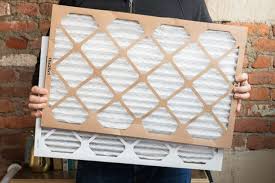
 If you live in a home with an HVAC system, then you’ve likely heard about air filters – and maybe even already know their importance. You might as well know that they come in various sizes, such as air filter 18x30x1 and even air filters 20x25x6.
Moreover, air filters play a critical role in preventing dust, pet hair, pollen, mold spores, and other airborne particulates from circulating throughout your home. Not only does this help improve the quality of the air that enters your lungs during each breath, but it also extends the life of your HVAC system by protecting its components from dirt and debris-clogged motors or fans.
What Are Air Filters?
Air filters are responsible for trapping particulates that would otherwise enter your home’s air supply or, worse, end up recirculated by your HVAC system. Most residential HVAC systems use one or two pleated filter media made from synthetic materials like spun glass and polypropylene fibers.
Standard air filter sizes range from 1 inch (10x30x1) all the way up to 6 inches 20x25x6. Air filters are typically installed in the return air duct or at the blower motor. The general rule is the bigger your filter, the more effective it will be at trapping particulates.
How to Choose an Air Filter
When selecting an air filter, you’ll want to consider the size of your HVAC system, any restrictions your HVAC manufacturer has in place, and the quality of filtration that best suits your needs.
In terms of air filter sizes, it’s important to measure twice and buy once, as buying a smaller or larger than the specified size can lead to a poorly performing system. Furthermore, you’ll want to consider both the minimum and maximum efficiency ratings (MERV) of each filter.
The MERV rating indicates how effective an air filter is at trapping airborne particles in microns. The higher the rating, the more efficiently it will remove particulates from the air.
When to Change an Air Filter?
Air filters should generally be changed every 3-6 months, depending on how much you use your HVAC system, the size of the filter, and the amount of particles in your environment. If you have pets, smoke, or live in an area with high air pollution, you may need to change your filter more frequently.
If you can’t remember when you last changed your filter or if it looks dirty, then it’s time to replace it. It’s important that you do so regularly because clogged filters slow down the airflow and make your HVAC system less efficient.
Air filters are an essential part of a healthy and efficient HVAC system. They’re responsible for trapping airborne particulates, improving air quality, and extending the life of your HVAC system. When choosing an air filter, you should consider both its MERV rating and size to ensure that it’s the right one for your system. Generally, air filters should be changed every 3-6 months, depending on how much you use your HVAC system and the level of pollution in your environment.