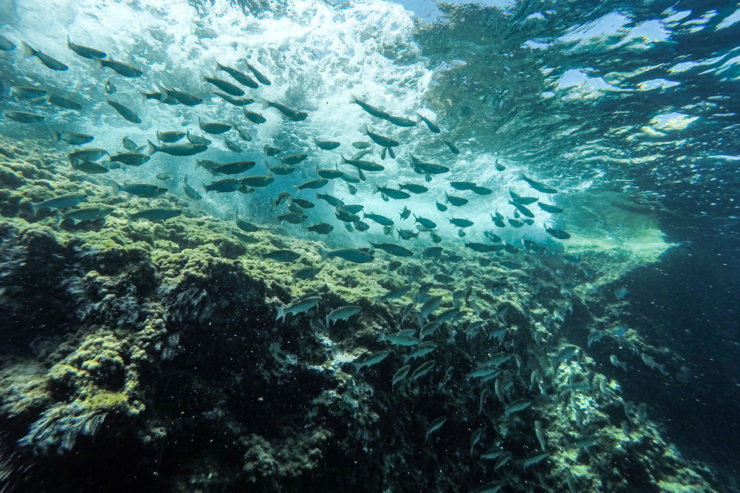
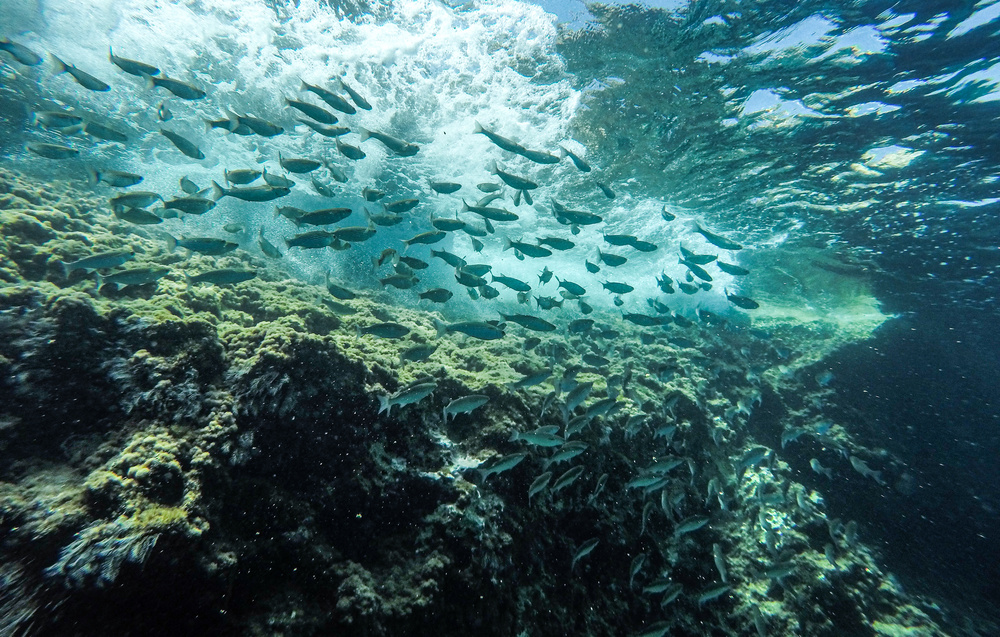
Spearfishing can be one of the most incredibly fulfilling adventures you can go on. The sport blends intricate skills training with the primal instinct to hunt. You also get exposure to the stunning marine life not all people get to see.
With that said, if you’re looking to get into spearfishing, this article provides eight tips every beginner must know.
Beginner Spearfishing Tips
Follow the tips below to have a safe and fun plunge into the world of spearfishing.
- Start With The Basics
The best way to enjoy the spearfishing experience is to master the basics. Learning and practicing the fundamentals allow you to make the most of your spearfishing adventures. Before going to the store or here to shop for gear, make sure you undergo the following:
- Freediving courses: Apart from holding your breath at depth, this course also entails learning how to use breathing equipment and equalizing.
- Spearfishing classes: Here, you will learn about safety practices, using equipment, catch management, and other skills you need. In addition, you’ll learn the types of waters, dive spots for spearfishing, and what species you can hunt legally.
Getting a license would also be best if you’re in this for the long haul, as certain dive spots require it.
- Practice Gun-Handling
A speargun is a dangerous weapon and should be treated as such. That is why you’ll need to practice handling your speargun before you get in the water. It ensures your safety and those around you. Below are a few reminders for safe gun handling.
- Never load a speargun out of water
- Never point the speargun at anyone or any direction where it could endanger others
- Take time to practice loading the gun; Don’t think you can learn underwater on the fly
- Make sure lines and rubbers are on top of the spear when you’re loading it
- Be mindful of safety
Apart from safe speargun handling, you may also do target practice. It ensures you don’t hit anything you don’t intend to.
- Keep Equipment Basic
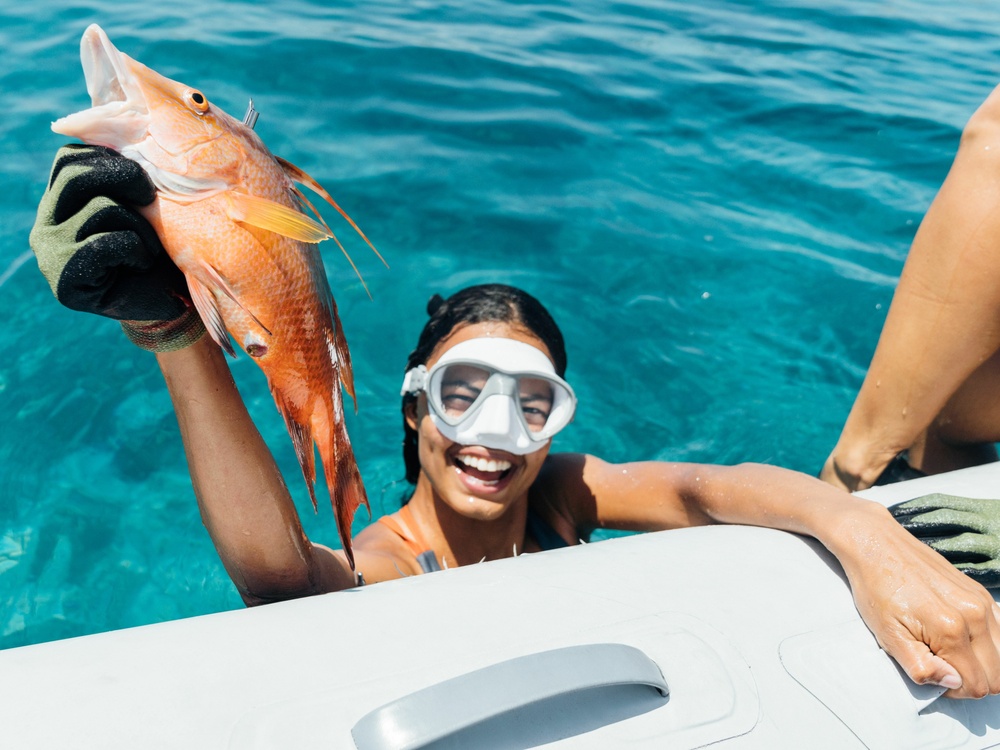
When you’re getting into any new activity, it’s easy to get caught up shopping for all the equipment you think you’re going to need. And while there are essential gears you’ll need for spearfishing, be mindful that diving with too much equipment can slow you down.
The essential spearfishing gears include the following:
- Speargun: You have three main options: a pole spear, a Hawaiian sling, and a speargun. Your choice will depend on the waters you intend to dive in, the fish you’re after, and your budget. The first two are typically used for close-quarter hunting. Both have fairly simple designs using a band or sling to fire the spear shaft.
Meanwhile, spearguns have two types: pneumatic and band guns. The former uses air pressure, while the latter is self-explanatory.
- Mask And Snorkel: Fit and visibility are what you need to look for in a mask. It’s best to go to a physical store so you may try on different masks. Look for one that sticks firmly to your face while providing good visibility at all angles.
It’s more straightforward with snorkels. Get a simple ‘J’ shaped one, and don’t get snorkels with purge valves. Those make bubbles that spook fish.
- Fins: Get bigger fins as it prevents straining your feet. Plastic fins should be fine to learn and practice, but when things get serious, you want fins made from fiberglass or carbon. Those are lighter and require less energy but are more expensive.
- Spearfishing wetsuit: If you live in a warmer area, a 1.5mm-thick suit should suffice. Pick a color that blends with the waters you intend to hunt in. You’ll also need a sturdy yet flexible pair of gloves to get a good grip on your equipment.
- Float: Get a hard float. Inflatable ones sit in the water, not providing the visibility you need for safety.
- Weight Belt: Get one with a buckle. Cheaper nylon ones can get undone underwater.
- Knife: Apart from sparing fish from further suffering, a solid spearfishing knife can get you out of a bind, such as getting tangled in weeds and ropes.
Getting the essential gear can easily set you back USD$1,000, so if you’re serious about pursuing spearfishing, know that it requires an upfront investment.
- Start Small
Start in shallow waters, shooting at smaller fish. It is also wise to start with more basic equipment. It forces you to master the fundamentals.
- Do Your Research
Even with ample experience, unfamiliar waters can still get tricky and dangerous. Before you go, speak with locals to learn about potential hazards and what to look out for. It’s even better to tag along with experienced spearfishers to learn about the environment.
- Avoid High-Traffic Areas
As one seasoned spearo put it, people can often be more dangerous than predators in the water. If you see fishing boats in the area, find a different spot out of courtesy.
- Don’t Get Fixated With The Hunt
For inexperienced spearfishers, it’s easy to get so engrossed in catching the dream fish. This is an easy way to take the joy of what you’re doing for granted. You’re in the water doing something you enjoy. Enjoy the hunt, and don’t stress if you don’t get what you intended to catch.
As a beginner, get acquainted with the water and marine life first. Observe how the different species move and react to their surroundings. Doing so will arm you with invaluable knowledge for future dives.
- Stay Relaxed
Jerky movements spook fish. Slow down and blend with the water. It also allows you to conserve energy and enjoy the beauty of your surroundings.
Final Words
Spearfishing can leave you with memories that last a lifetime. You may also make lifelong buddies and surface with a different perspective on life. Just keep all the safety precautions in mind every time you dive, and you’re bound to enjoy every moment of the experience.