
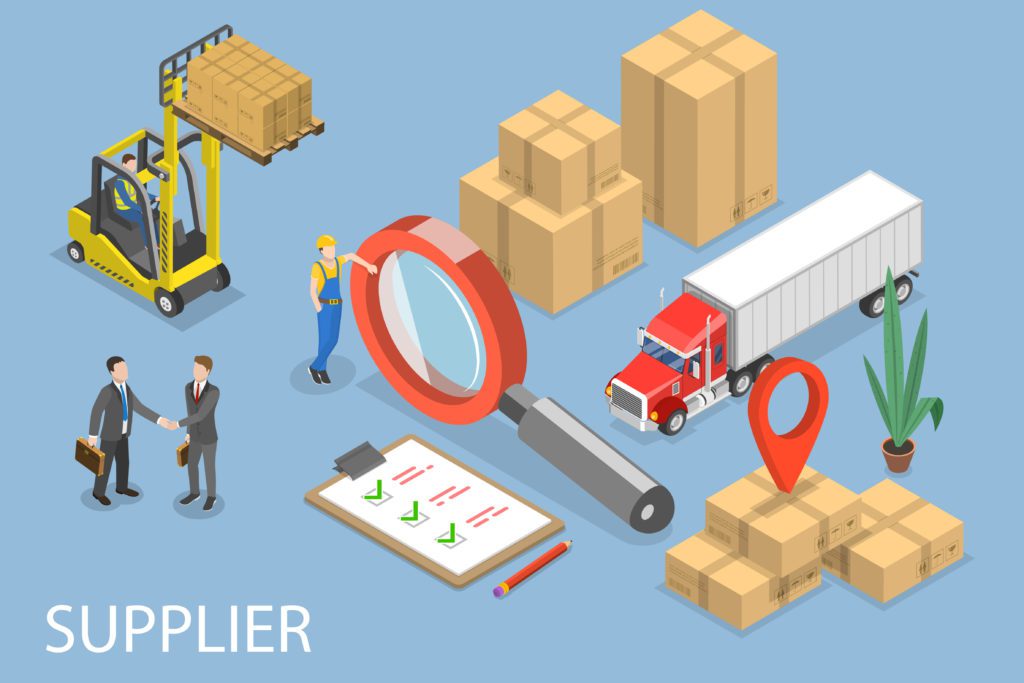
3D Isometric Flat Vector Conceptual Illustration of Supplier Management, Global Logistics and Distribution
Whether your business operations heavily rely on industrial suppliers or you run a start-up that distributes industrial supplies, choosing the right supplier plays a significant role in your business’s direction. However, choosing a supplier is no mean feat.
That said, this article outlines some tips to guide you on what to look for before settling on a particular supplier.
- Supplying Capacity
Determining your supply needs is a good start to help you determine which supplier to work with. Ideally, you’d want to partner with a company that can supply you with what you need. This is especially since if a supplier provides fewer quantities than what’s initially ordered, it can significantly interfere with your business. For one, it can disrupt your business operations and may even cause you to lose your clients.
Besides their capacity to supply you with what you need, you’d also want to find out how fast they can manufacture and deliver industrial supplies to your location. An excellent industrial hardware supplier, like Reid supply store, should have all the inventory you will need. This way, you can know that you will get timely delivery and the best quality items.
You may also want to pay your supplier a physical visit to establish if, indeed, what they offer is what you are looking for and of the same quality you had in mind.
- Location
A supplier’s business location is another consideration to keep in mind. It’d be good to note that where their headquarters is based can more or less determine how efficient and seamless your communication will be. For instance, if you’re looking into partnering with an international supplier, you should consider factors like time differences, which can affect their response to your queries or follow-ups.
During your business operations, you’re likely to experience issues like following up on order confirmation, placing new orders, or tracking deliveries or shipments. And in such instances, you want a supplier who you can easily contact to address your concerns.
Sometimes it helps to find a supplier within your locality with whom you can always set up physical meetings if any issues need sorting. Delivery time could also be reduced for suppliers with warehouse locations close to you.
- Product Prices
Before settling on an industrial hardware supplier, review their rates and pricing thoroughly. And as you look at their quotation, check if the shipping charges are already included or if there are any other fees to be considered. This is critical because such additional items can increase the total contract price.
It’s also advisable to check quotes from different suppliers to know which company can offer the best deal that matches your budget. Furthermore, you can also find out if the supplier you’re talking to offers flexible payment terms or financing options. This can be beneficial if your company has limited finances.
- Customer Guarantees And Warranties

group of successful business people meeting. client and suppliers shaking hands after deal agreement completed.
Industrial equipment can be pricey, and that’s why it’s essential for your supplies and products to come with manufacturer warranties. The industrial supplier should also be able to replace or service any defective or damaged goods without charging you any extra fees.
Find out if your potential supplier takes consumer complaints seriously, how promptly they resolve them, and if they have customer satisfaction guarantee policies before you formally engage them for business.
- Online Reviews
One of the perks of technology and the internet is that you can easily find out all you need to know about a company by just researching them online. Hence, take advantage of this and look for customer reviews about your supplier online.
Here are some considerations to help you start your search:
- Does your prospective supplier satisfy their client’s needs?
- Do they have a good reputation?
- Are they compliant with industry standards?
- Do they stick to up-to-date legislation concerning issues like insurance certificates and health and safety standards?
If the company meets your expectations concerning the questions above, you can contact them for business. After all, it is a reputational and financial risk for you to deal with a supplier that does not adhere to set guidelines or manufactures substandard items, especially since you are dealing with sensitive products.
- Contractual Terms
You may have considered all the factors above and decided on a supplier that ticks off your checklist. The next thing would be signing a legal contract that allows you to start working together.
But before doing that, draft a legal agreement that covers any risks or contingencies that may arise. If you choose to go with a contract drafted by your supplier, look thoroughly and ask anything you feel may not be clear. If any credit terms are involved, make sure they suit you and are in tandem with your cash flow. And if you are unsure about the terms, you can always seek legal advice from your lawyer. The idea is to ensure you are covered in case of any eventualities.
Final Thoughts
Finding a suitable industrial hardware supplier is a process that may take a while. Still, it’s better to be cautious. You want to thoroughly vet all your prospective suppliers than be in a rush and later get disappointed and inconvenienced with their operations.
With that, getting recommendations or reviews from other consumers in your industry that may have dealt with the particular supplier you’re talking to and keeping in mind the tips above can help you make a well-informed decision for your company.