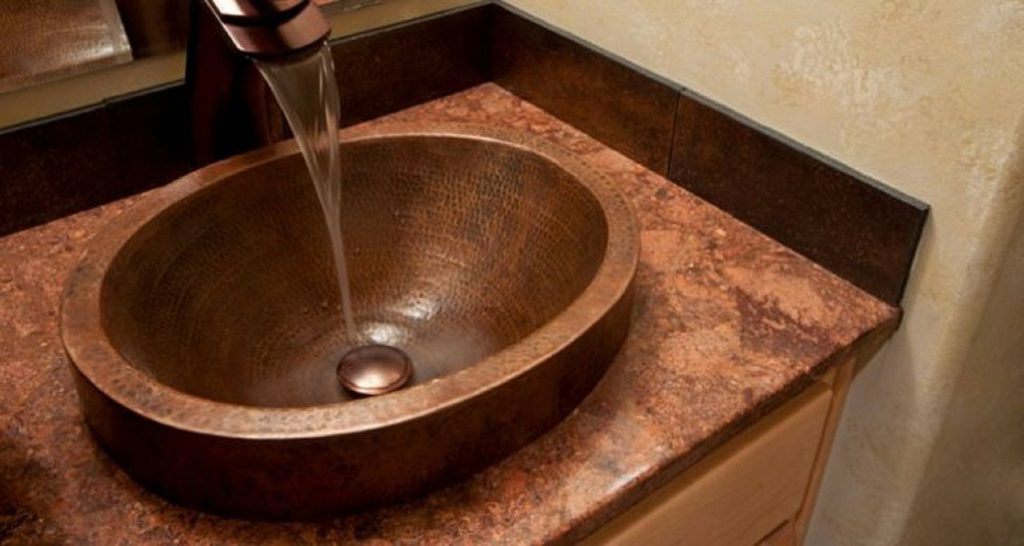
 Are you considering installing a copper sink? If so, you’re not alone — there’s been an uptick in their popularity over the past few years. As a result, manufacturers have responded by introducing more models with different features and styles and at different price points.
Copper sinks are a great way of adding elegance to your home and making it stand out from the rest. But Copper Sinks are not just fads but also a sign of luxury and high-end living standards.
The rich hue of copper is not only beautiful, but it will also never go out of style. So, if you’re planning on making your new kitchen a luxury one, installing a copper sink could be a perfect choice.
But what are the benefits of having a copper sink? What kind of copper sinks are available? And which one should you choose? Keep reading to know everything about these fantastic sinks!
Read on to learn more about different types of CopperSmith sinks, materials used, installation tips, and more!
What Is the Difference Between Copper Sinks and Other Types?
The material used is the most obvious difference between copper sinks and other types.
Copper as a material is very durable and can withstand high amounts of pressure. It is also very easy to clean and can be used for a lifetime.
Copper sinks are made with copper and other alloys, whereas ceramic, porcelain, stone, and stainless steel are just a few examples of materials used in different sinks. These sinks are durable, scratch-resistant, and can last for decades. It’s no wonder copper sinks are one of the most popular options for sinks.
Note that two types of copper are used to make copper sinks. The first is electrolytic copper. A copper alloy was created using electrolysis. The second type of copper is pure copper, made using copper ore.
Both types are 99.9% pure copper, meaning that no other materials are added to them. Electrolytic copper is cheaper than pure copper, but it’s also weaker and less durable. Due to its low purity, electrolytic copper will also tarnish faster. On the other hand, pure copper sinks are more expensive but stronger and more durable. They also don’t tarnish as quickly as the electrolytic ones.
The other significant difference is the price. While copper sinks are exquisite, they are typically much more expensive than different sink types, and not all homeowners can afford them.
Types of Copper Sinks
There are a variety of copper sinks available in the market. Let’s take a look at the most popular types of copper sinks.
Drop-In Sinks
Drop-in sinks are manufactured as one combined piece and then put into place. They are the most accessible type of sinks to install. All you need to do is select the sink, faucet, and drainer.
Undermount Sinks
Undermount sinks are similar to drop-in sinks in that they are one giant piece installed under the countertop. However, you need to cut the countertop to install this type of sink.
Wall-Mounted Sinks
Wall-mounted sinks are mounted directly to the wall, making them great for small spaces. You can install a faucet now to the sink to make it easier. Wall-mounted sinks are not suitable for small children.
Vessel Sinks
Vessel sinks are designed to sit on top of the countertop. They come in a variety of styles and are perfect for small spaces.
Things To Consider Before Buying a Copper Sink
Before investing in a copper sink, there are some factors you should factor into consideration. They include:
- Design – Depending on the design of your sink, its size may dictate the placement of your faucet and drain.
- Size – Before buying a copper sink, ensure you know the exact dimensions to make sure it will fit the space in your bathroom or kitchen.
- Budget – Copper sinks may be more expensive than other sinks, but they are long-lasting and worth the investment.
- Maintenance – Since copper is a soft metal, it’s prone to scratches, but scratches can easily be removed. If you want the beautiful shine to stay, you must take care of it properly.
- Type of copper – You need to ensure that the copper sink you’re buying is natural copper and not an imitation.
- Installation – You also need to ensure that there is enough water pressure to supply the sink and that you have the right connections.
How To Care For Your Copper Sink
As we’ve discussed, copper sinks are tremendous and can last for decades if you take good care of them. Luckily, caring for them isn’t hard. After each use, you need to wipe the copper sink with a soft, lint-free cloth.
You can also use mild soap and water to wash it, but don’t use abrasive cleaners or scouring pads because they might remove the shine from the surface. Simply use a sponge or soft cloth to clean the sink, and do not use abrasive materials. You can also rub the sink with lemon once a week to prevent the sink from oxidizing.
Avoid using copper cleaners, as they can leave a green stain on your sink. You can also use baking soda and vinegar to clean your copper sink. Mix the two ingredients in a bowl, ensuring no clumps. Scrub your sink with the mixture and then rinse it with water.
You also need to ensure that your copper sink doesn’t have a lot of contact with chlorine, commonly found in water. If your copper sink comes into contact with chlorine, it will speed up tarnishing. You can prevent this by using a water filter or installing an inline water filter.
The Bottom line
Copper sinks are a great way to add luxury to your home. They are very durable and can last a lifetime if properly maintained. Now that you know everything about copper sinks, you can choose the right one for your home.
Remember to consider the design, size, budget, and maintenance, and you will find the perfect copper sink for your home in no time.