Knee pain after a hike is quite a common issue. Many hikers seek adventure, but now and then, knee pain halts them. It is pretty terrible if you have a hike you have been organizing for quite some time, only to be paralyzed by knee pain several kilometers in. There are many different causes of knee pain, but it is commonly due to overstraining your joint or lacking the appropriate gear.
Knees are subjected to a lot of stress during your daily life, simply walking up a flight of stairs subjects your knees to four times your body weight. When carrying a fully loaded bag and scaling a mountain, it is not surprising that joint pain is common among hikers.
There are many causes of knee pain, such as tendonitis, arthritis, and sprains, and all of them can potentially deteriorate the quality of your hiking trip. In addition, there are several chronic conditions, which get aggravated by the hiking strain. Inadequately handling your knee injuries, or failing to take precautions to protect your knees, can worsen injuries as time goes by. Hence, you should get ahead of the issue and learn about the common causes of knee pain and how to stop it.
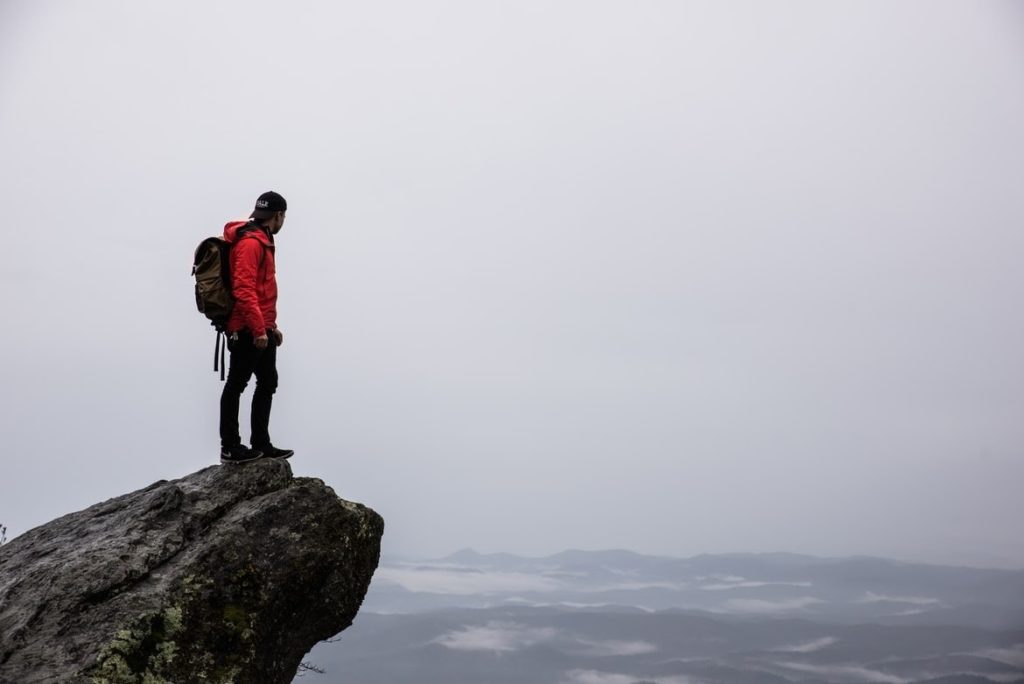
Causes of Knee Pain after Hiking
- The Iliotibial (IT) Band
The IT band is the connective tissue, which runs along the exterior thigh. It is a sensitive and robust piece of inelastic fascia. Unfortunately, the most common challenge with the IT band is it gets into a situation where it gets pulled over the knee, and it begins rubbing the knee joint.
Since the band is inelastic, its challenges hail from the weak connective muscles, like quads, glutes, and calves, or tightness challenges with the same muscles. Hence, making it one of the causes of knee pain after hiking.
Challenges with the IT band majorly stems from too much sitting. Many people spend numerous hours sitting, and this leads to weak glutes. When you undergo these challenges and then go scaling a mountain, quads are made to work extra hard than they ought to for the lost strength from your bum muscles. Hence, pain in quads and IT band results, causing an inappropriate walking gait because of “pulling” on the knee.
- Chondromalacia
Chondromalacia, commonly known as runner’s knee, is one of the causes of knee pain after hiking, caused by lower leg twisting inward when running or walking. It can be attributed to wearing over-worn hiking boots or weakness in the hamstrings and quads. In younger hikers, Chondromalacia is frequently attributed to overloading or trauma.
The symptoms include grinding, and at times taking a few days of rest can ease the pain. Nonetheless, in some instances, the pain is caused by improper knee alignment, and the challenge cannot be addressed by rest, so visit a knee pain clinic in Singapore.
- Weight
Since the knees and the hips carry most of your body weight, they are susceptible to injury. Every time you take a step, a force three times your body weight is directed on your knee, and that is on a flat surface. Bring in a heavy bag, which is an enormous quantity of weight on the knees. Going downhill adds more strain, with force again being four-time greater.
To address this, amble when going downhill. Also, try zig-zagging down the hill to reduce the incline.
- Tendonitis
Sharp pain above or below the knee is frequent tendonitis. It is caused by inflamed tendons, majorly from overuse. When you detect the first sign of this condition, ice it and rest. The pain should subside within a couple of days, and if not, visit a doctor for knee pain treatment.
What to Do Before Your Hike
You can undertake several things to prepare for a hike to reduce the chances of knee pain after hiking. Inflammation is one of the causes of knee pain after hiking, and you can fight it with a healthy diet. Several foods comprise unique properties that aid fight inflammation, such as tomatoes and oranges, among many more.
If you feel the pain, you can do specific workouts to help fortify your muscles and keep your joints flexible. When you have your leg muscles in excellent condition, they will support your knees better, which will naturally lessen your knee pain when hiking. Aim to focus on quads, hamstrings, and calves.
Also, supplement your workouts with a stretching routine. It enhances flexibility, recovery, and muscle tone. All these are vital in improving your knees’ health. Lastly, ensure you stay hydrated because dehydrated muscles tend to cramp pretty easily.
Solutions to Knee Pain
- Physiotherapy
Physiotherapy can be beneficial for patients suffering from knee pain after hiking. It can help restore the normal functions of the knee by muscle strengthening and aiding mobility. Hence, if you suffer from Chondromalacia, look for physiotherapists in Singapore.
- Hiking Poles
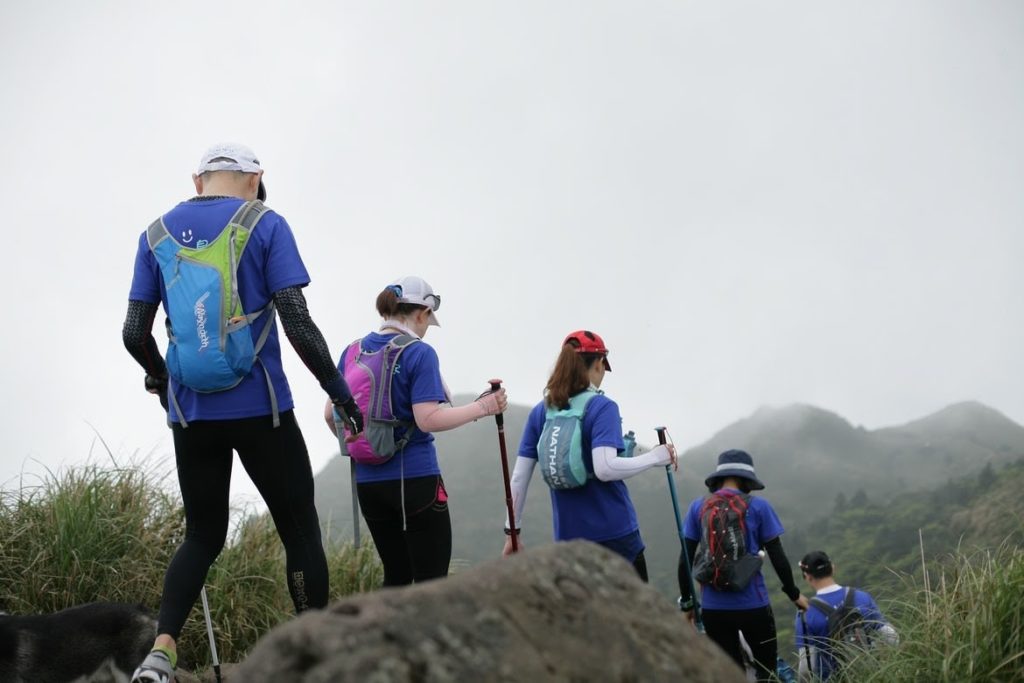
Hiking poles are a viable solution to knee pain after hiking. They help mitigate the impact on your knees and take some of the load off. Hiking poles ensure weight is redistributed across your arms and shoulders, thus reducing every step’s impact.
- Light Weight Hiking Shoes
Lighter weight hiking shoes can create a massive difference in knee pain after hiking. Although hiking boots are known for increased support, their stiffness makes them bad for the knees; hence, you need lightweight hiking shoes.
- Surgery
Surgery is an effective knee pain treatment for chronic pain or joints severe wear, knee replacement or correction. Most knee surgeries are successful, and they enhance strength and flexibility and ease the pain.
Conclusion
Taking care of your knees will ensure they carry you up and down mountains for many years to come. The right equipment, approach and rest are vital for preserving healthy knees. Talk to your physiotherapist or doctor if you experience sustained pain after an outdoor mountaineering adventure.