If you are interested in butterflies here are some fun facts that only lepidopterists might know. Yes, lepidopterists are people that study butterflies and moths. Continue reading for some lesser-known facts about these beautiful flying insects that have captivated people for centuries.
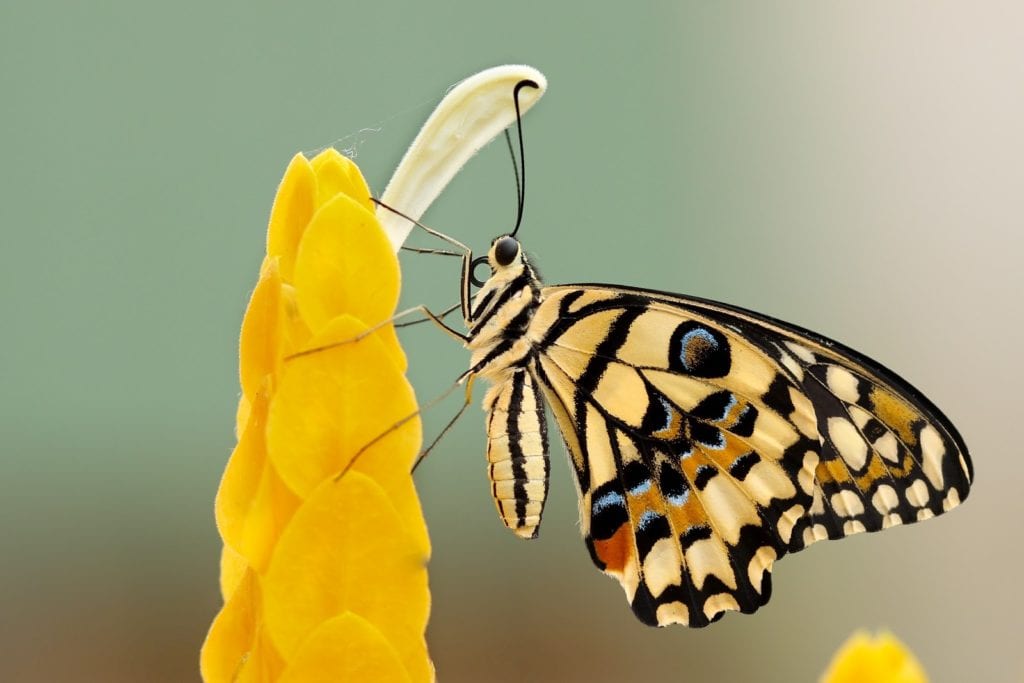
Butterflies and Lepidopterists
Let us kick off with some interesting facts about butterflies and the study of butterflies. Butterflies are insects of the order Lepidoptera that also include moths. Margaret Fountaine was a famous lepidopterist that lived from 1962 to 1940 and collected over 22,000 butterflies. She was born in the UK and traveled the world to collect butterflies.
Butterflies have a long history. Fossils of butterflies have been found dating back about 56 million years. Egyptian art dating back 3500 years has been found that depicted butterflies. According to the Smithsonian Institute, there are over 17,500 species of butterflies. Some other sources put this figure at over 20,000 species.
Natural Habitat
There is only one continent that does not have butterflies. Butterflies are found worldwide except in Antarctica. There are probably 100 species near you right now. Studies have found that anywhere in the US there are around a hundred species of butterflies found nearby.
Many species of butterflies migrate and it can take many generations of butterflies to complete the annual migration. It can take up to six generations to complete a full migration back to the area they started at. Like other migrations, the butterflies that migrate do so to get to warmer climates during winter and move back for summer.
Endangered Butterflies
Some butterfly species are very endangered. This usually happens due to a loss of natural habitat. There are only three insects listed on the extremely endangered Appendix I list of CITES. All three are butterfly species. No other insects are on this list. Being on this list makes international trade illegal in these butterflies all over the world. There are many types of butterflies, with most not being endangered. The largest of butterflies, the Queen Alexandra’s Bird Wings are one of these endangered species.
Butterflies have stopped a planned housing development. Brenton Blue butterflies were thought to be extinct. A small colony was found in Brenton-On-Sea, near Knysna, South Africa. This colony was located on a piece of land that was about to become a housing development. Due to this discovery being widely publicized the housing development was stopped. The property was bought by the South African government and turned into a small nature reserve to protect the butterflies.
Physical Appearance
Butterflies have four life stages. Most butterflies have an egg, caterpillar, chrysalis, and adult life stage. Even though some species only live for a week as adults, other species can live for almost a year as adult butterflies. Butterflies have to unfold and inflate their wings before they can fly after emerging from their pupae stage.
Butterflies can use their patterns and colors on their wings for defense. Some butterflies have eye patterns that intimidate predators. Other butterflies have camouflage to blend into their environment. The coloring of monarch butterflies is a warning sign to predators. Like many other insects that are orange and black, they are advertising the fact that they are poisonous. Predators will generally stay away from insects with these colors.
Butterflies have two pairs of wings. Butterflies, unlike some other flying animals, have four independent wings. Insects have six legs, but the front legs on butterflies are smaller and they walk on the rear two pairs of legs. When a butterfly is cold it cannot fly. They have to wait for the day to warm up or sit in the sun to get ready to fly. Butterflies and moths are the only insects with scales covering their wings.
The largest butterflies have a 28 cm Wingspan. The teal-colored Queen Alexandra’s Birdwing butterflies are the largest. They are an endangered species found exclusive in Papua New Guinea. The Pygmy Blue is the smallest butterfly and is found in the United States. It has a wingspan of only 15 mm.
Butterflies sleep at night. Unlike most moths that are nocturnal butterflies usually sleep at night. They sleep under leaves, in cracks in rocks, or thick grass. Butterflies can’t breathe through their mouths. Butterflies don’t have lungs as we do, but they breathe through small openings along the side of their bodies called spiracles.
Butterfly Diets
The antennae of butterflies can detect odors. Butterflies can also taste with chemical receptors on their feet. Butterflies do not have mouths, but they use a proboscis to suck up nectar from flowers. Butterflies have a liquid diet. Most adult butterflies only consume nectar, although a few species can also feed on pollen. Butterflies can see colors well, but can’t see very well further away. They also prefer certain colors for flowers like red, yellow, and purple.
Image Source:
What is your favorite fascinating fact about butterflies? Mine is that a tiny butterfly could stop a commercial housing development. Butterflies are truly fascinating and mighty insects even though they look fragile and beautiful.