


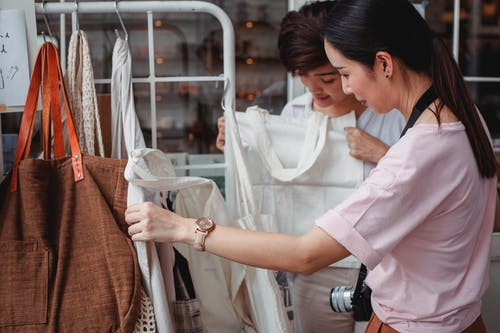
2021 is bound to be an exciting year. Human civilization is more conscious of its environmental burdens than ever before. And chances are you are too. That’s why more and more people are looking to Eco-Sustainable fabrics to minimize their negative environmental footprint.
However, researching and choosing a sustainable wardrobe is no cakewalk. Sustainability can be hard to track down if you don’t have the know-how. It isn’t as simple as choosing vegan textile options. Sustainable fabrics are usually vegan, but not all vegan clothing options are sustainable.
Restricting clothing options can also put a strain on wardrobe selection. That’s why it’s important to know all the options and to get some idea of what is going on in the eco-fashion industry this season.
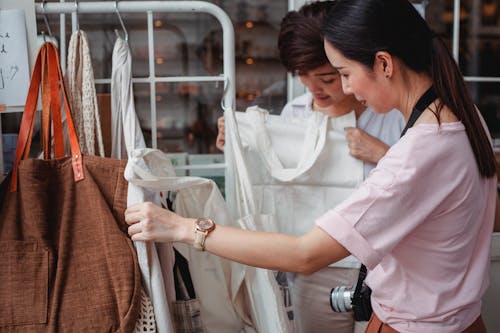
Each Material Has An Eco-Sustainability Rating
- Energy consumption
- Greenhouse gas emissions
- Water consumption
- Wastewater amounts and cleaning requirements
- Air emissions
- Chemical use
- Product lifetime
All of these variables are crunched and the eco-sustainability rating can be obtained. Some examples of very high scoring(not sustainable) textiles are alpaca wool, leather, and silk. Conventionally produced cotton is also poorly ranked.
On the other hand, several textiles are very low-scoring(sustainable). The lowest-scoring is rubber and synthetic materials. Hemp and recycled cotton are some examples of sustainable natural fibers.
Being Sustainable Doesn’t Mean You Need To Walk Barefoot
When people think of sustainable materials, they typically think of fabrics. Where does that leave shoes and accessories? Don’t worry, there is a whole industry that is dedicated to providing eco-sustainable products to suit every niche in the fashion industry. There are lots of stylish vegan shoes available and they are all well-ranked for sustainability. Cork and rubber are actually some of the best materials to use as far as sustainability is concerned.
When it comes to accessories, you don’t usually need to worry. Most of the materials used for fashion accessories are sustainable. Plastic and metal are the most frequently found materials. Synthetics like plastic, despite our natural inclination to think otherwise, rank well on the Higg Index. And metal is highly recycled. Therefore, most metals are sustainable.
The one major issue to look out for with accessories is gemstones. Gemstones of all varieties have a great environmental cost. Sometimes tons of rock are removed and crushed just to find a few grams of precious stones. They may last forever but they aren’t recyclable. Feel free to go as overboard with the costume jewelry as you like though.
Eco-Fashion Trends
Going Vintage
Regardless of how it was originally made, shopping second-hand is always a sustainable behavior. There is no guarantee that any particular item of clothing will end up being circulated by multiple owners. So when someone buys it second-hand and adds years of life to its lifecycle, they’re improving the sustainability of the materials that went into making it.

Rentals
Renting clothing still doesn’t feel normal. But it’s a great way to improve your fashion potential. There are several benefits to this way of choosing clothes. It cuts back on clutter as you don’t have a hoard of clothes that needs to be constantly picked through and reduced. It avoids the stagnating sensation of having the same old clothes day in and day out because you can pick new stuff at any time. And most importantly, it’s sustainable because each article is stored properly, worn, and then returned to proper storage immediately until it is needed again. It doesn’t need to be bought a hundred times by one hundred people who will each only wear it once.
Upcycling
This practice creates a lot of really interesting and unique styles. It also gives you the freedom to express yourself and try new things. Because usually, the item of clothing was going to the trash soon anyway. This trend is a lot of fun if you are a creative person. Upcycling can even turn into a highly-profitable side gig if you have an entrepreneurial spirit.
Design Your 2021 Eco-Friendly Wardrobe
The essential method for dressing in an eco-sustainable fashion isn’t to adopt an exclusively natural fiber bohemian style. Those aren’t often even the best fabrics to use if eco-fashion is your aim. Instead, eco-fashion is defined by blending natural textures, modern synthetics, recyclable materials, artifact vintage-wear, and upcycled apparel.
Let the materials guide the process and blend the aforementioned elements to create a modern and unique style that stands for something.






